How Much Can You Really Save With Solar Panels in 2026?
In an era of rising energy costs and increasing environmental awareness, the allure of solar panels has never been stronger. But beyond the green appeal, a fundamental question remains for many homeowners and businesses: how much can solar panels truly save you in 2026?
The answer, as you’ll discover, is a resounding “a lot,” with specifics depending on a myriad of factors. Geo Green Power, a leading expert in renewable energy solutions, has been at the forefront of this revolution, witnessing firsthand the transformative power of solar panel savings.
The Foundation of Solar Panel Savings: Understanding Your Energy Consumption
Before diving into the numbers, it’s crucial to understand your current energy consumption. This is the bedrock upon which all solar panel savings are built. Take a look at your past electricity bills. What’s your average monthly usage in kilowatt-hours (kWh)? What are your peak usage times? This data will directly inform the size and scope of the solar system you need to maximise your benefits.
Do Solar Panels Save Money? The Undeniable Financial Benefits
The short answer is unequivocally yes. Do solar panels save money? Absolutely.
The primary way they achieve this is by reducing or even eliminating your reliance on grid electricity. When your solar panels generate electricity, you’re not purchasing it from your utility company. This immediately translates into lower monthly bills. Beyond this direct saving, there are other significant financial advantages:
Smart Export Guarantee (SEG): In the UK, the SEG scheme allows you to earn export payments for the surplus renewable electricity you send back to the grid. Your energy supplier pays you for every unit (kWh) exported, which is tracked via your Smart Meter. These payments, combined with the savings on your standard energy bill, are a crucial factor in calculating the total return on investment for your solar array.
Increased Property Value: Homes and businesses equipped with solar panels often see a bump in property value. Buyers are increasingly willing to pay more for properties with lower energy costs and a reduced carbon footprint.
Hedging Against Rising Energy Prices: Electricity prices have historically been volatile and are projected to continue rising. Investing in solar panels essentially locks in a significant portion of your energy costs, protecting you from future price hikes.
Government Incentives and Rebates: While these can fluctuate, 2026 still offers various local incentives for solar adoption, significantly offsetting the initial installation cost and improving your return on investment. These incentives play a major role in how much solar panels save.
Residential Solar Panel Savings: Powering Your Home, Powering Your Wallet
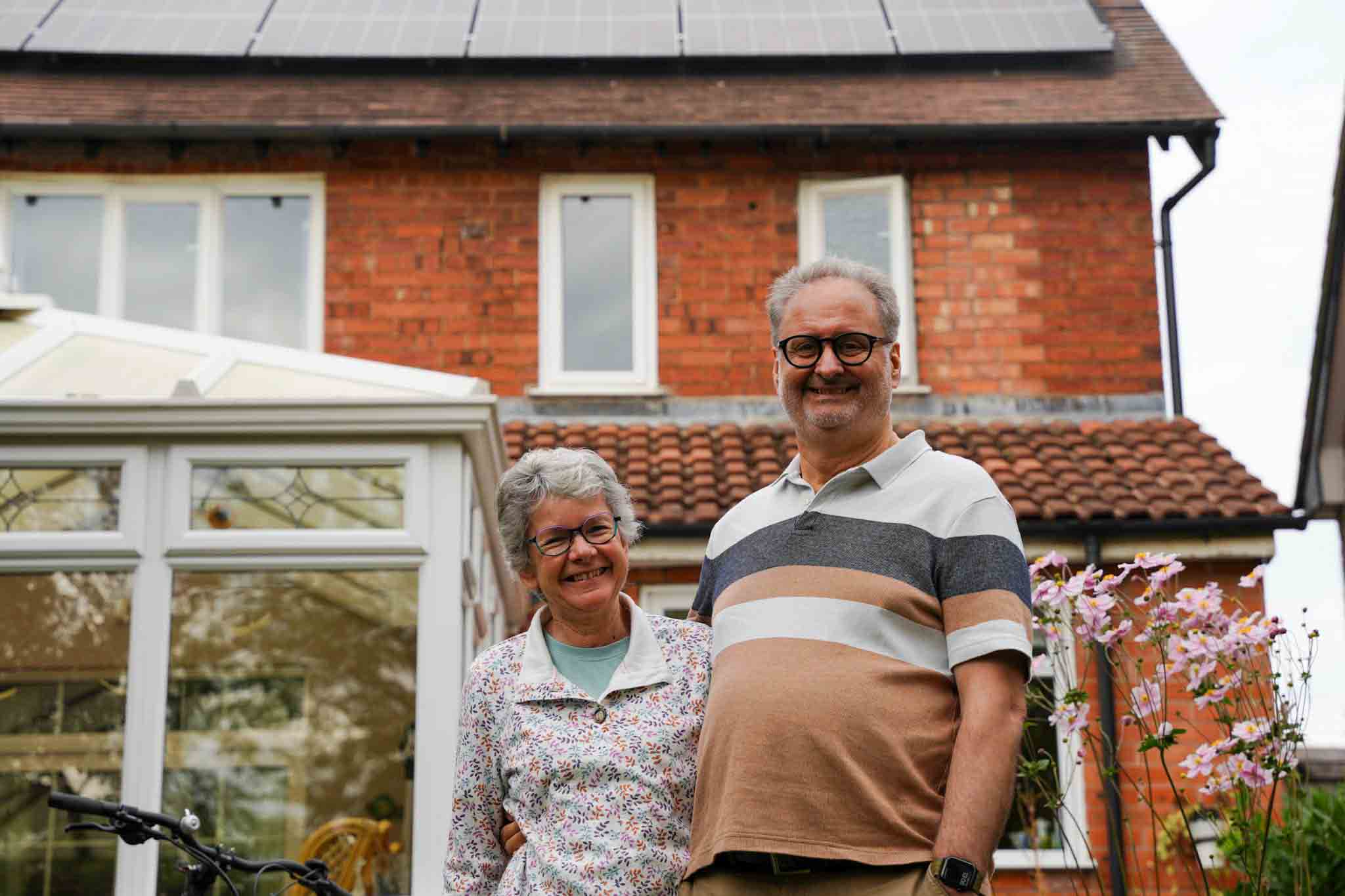
For homeowners, the decision to go solar is often driven by the desire for energy independence and long-term financial stability. Geo Green Power has helped countless families realise substantial solar panel savings.
Let’s consider an average UK household consuming around 3,000 kWh annually. With a well-sized solar system (typically 3-4kW), many homeowners can generate 80-100% of their electricity needs. Based on current electricity prices (which Geo Green Power data shows average around £0.25-£0.30 per kWh, though this fluctuates), this could translate to annual savings of £750-£900 or more on your electricity bills alone. Over the 25+ year lifespan of a solar system, these savings compound dramatically.
Furthermore, with net metering, any surplus energy generated during sunny periods can be “banked” for use when the panels aren’t producing as much or even sold back to the grid for credit. This truly highlights how much solar panels save for the proactive homeowner.
Initial investment costs for a residential solar system can be as low as £6000, but for a fully compliant, premium system, using the latest and best technology, the range is closer to £10,000 to £15,000, depending on size and complexity. However, with government incentives and the substantial annual savings, the payback period is often between 5-10 years. After this, your electricity is virtually free, making it an incredibly smart long-term investment.
Commercial Solar Panel Savings: A Smart Investment for Businesses
For businesses, the financial benefits of solar extend beyond simply reducing operational costs. Commercial solar installations, whether for a sprawling warehouse, a bustling office block, new builds, or an agricultural enterprise, offer significant strategic advantages.
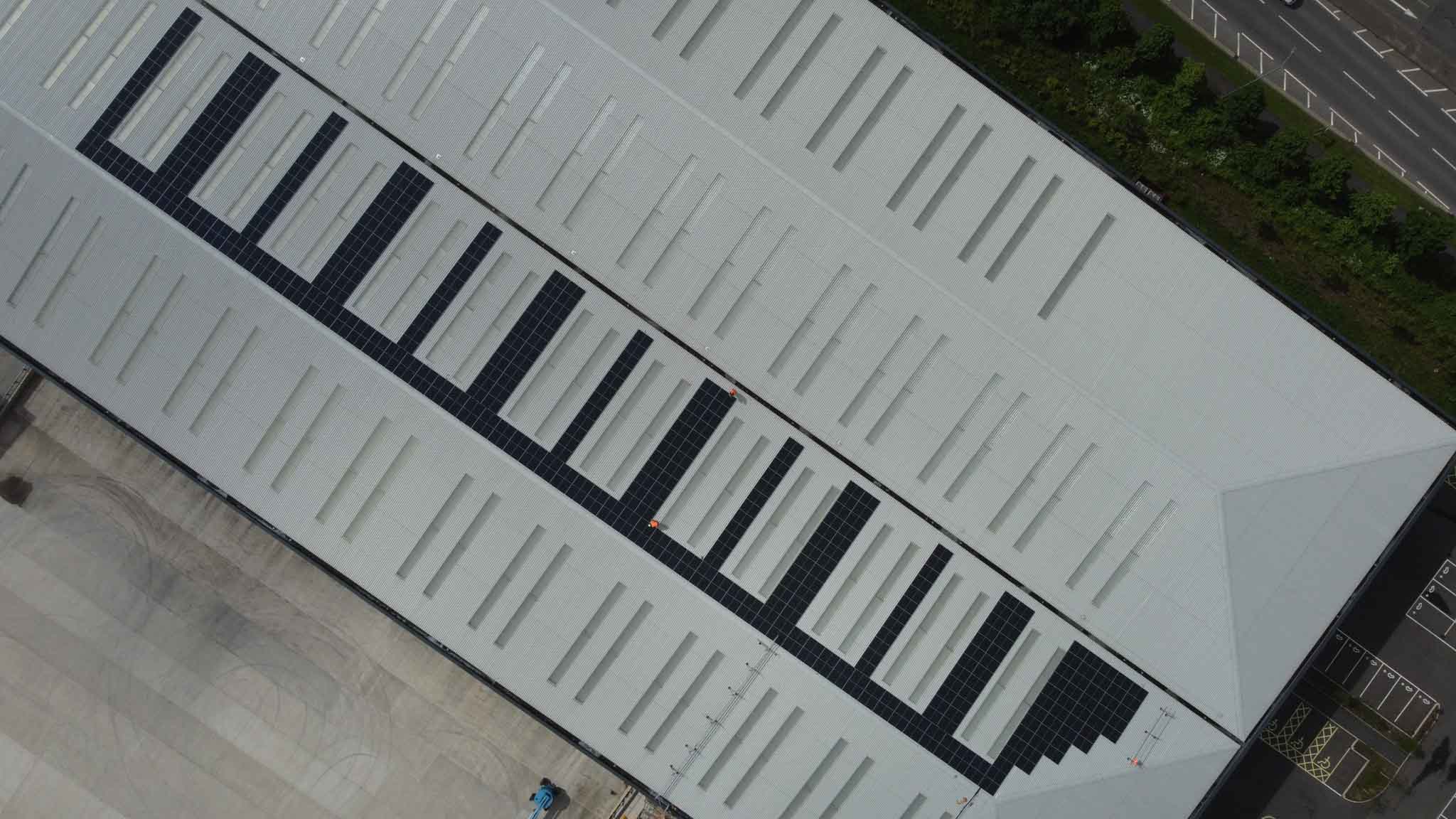
Warehouses: Large roof spaces on warehouses are ideal for solar panel installations, providing ample surface area to generate substantial amounts of electricity. This can drastically reduce the high energy consumption associated with lighting, heating, cooling, and machinery, leading to massive solar panel savings. Geo Green Power has implemented systems in warehouses that have seen energy bill reductions of 70-90%.
Offices: Modern offices can significantly cut their carbon footprint and operating expenses by embracing solar power. The predictable daytime energy demands of an office environment align perfectly with solar generation, maximising the benefits of solar energy savings.
New Builds: Incorporating solar into new commercial and residential developments from the outset is a forward-thinking strategy. It adds significant value, meets sustainability targets, and ensures lower running costs for future occupants or owners. Geo Green Power works closely with developers to integrate seamless solar solutions into new builds.
Agriculture: Farms and agricultural businesses often have substantial energy needs for irrigation, lighting, ventilation, and processing. Solar panels provide a reliable and cost-effective energy source, reducing dependency on grid power and offering long-term solar panel savings in a sector where margins can be tight. Furthermore, the ability to store excess energy in batteries can provide resilience during power outages, crucial for sensitive operations.
Geo Green Power’s data from numerous commercial installations shows that businesses can expect to see a return on investment within 3-7 years, often much quicker than residential systems due to higher energy consumption and potential for larger-scale installations.
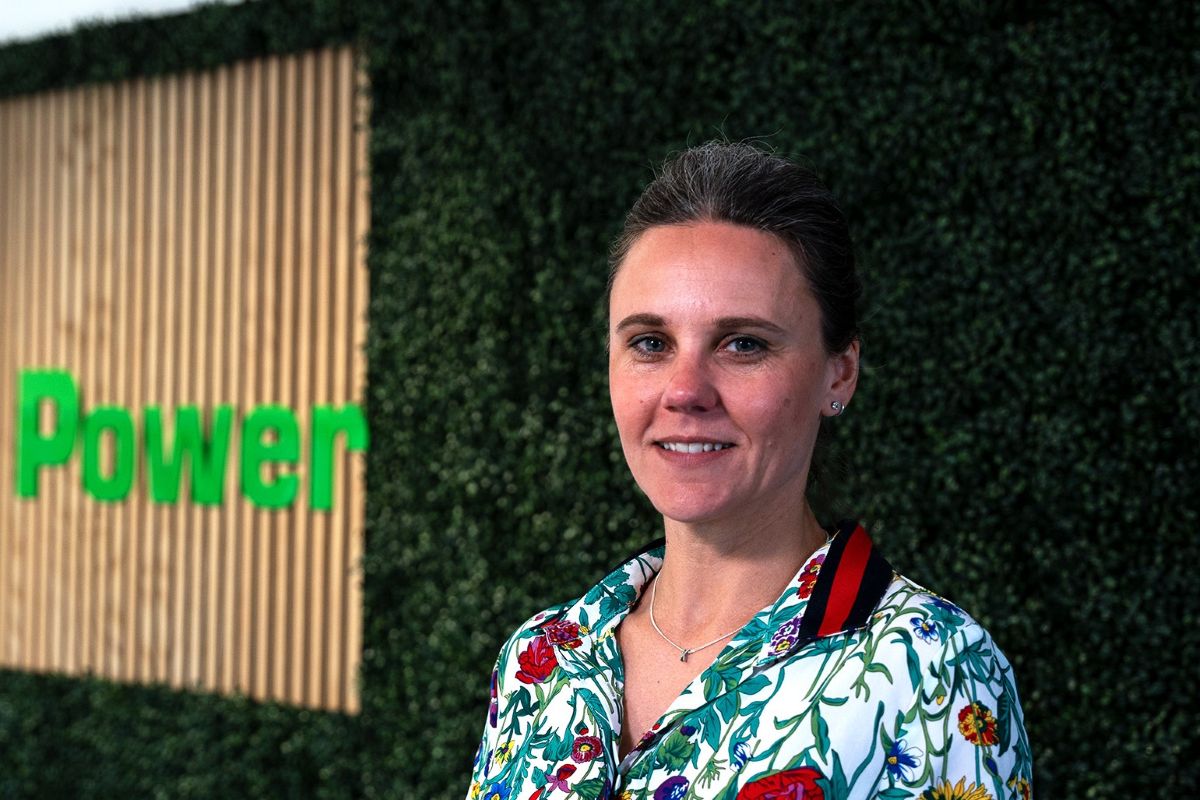
Kat Auckland, Geo Green Power’s Communications and Projects Director, explains:
“During the energy crisis in 2022, many of our customers were telling us their energy bills have increased by 200, sometimes 300%. For a UK Manufacturer, for example, this could literally put them out of business. Whilst energy prices have levelled out, some businesses are still paying 30, 40, even 50p a unit [of electricity]. When you consider that solar is delivered often at under 10p a unit, the savings are very clear to see.”
The ability to claim capital allowances and other business-specific tax breaks further enhances financial viability. For businesses, understanding how much solar panels can save becomes a critical component of their financial planning and sustainability goals.

Beyond the Savings: Environmental Impact and Energy Independence
While the financial aspect is compelling, it’s important to remember the broader benefits. Every kWh generated by your solar panels reduces your carbon footprint, contributing to a cleaner, healthier planet. This commitment to sustainability can also enhance your brand image, attracting environmentally conscious customers and talent. Furthermore, generating your own electricity fosters a sense of energy independence, making you less vulnerable to global energy market fluctuations.
Ready to Save with Solar?
The question isn’t whether you save with solar, but how much. In 2026, with evolving technology, supportive incentives, and rising energy prices, the financial case for solar panels is stronger than ever. Whether you’re a homeowner looking to slash your electricity bills or a business aiming for significant operational cost reductions and enhanced sustainability, solar power offers a tangible and impactful solution.
Contact Geo Green Power today for a free, no-obligation assessment of your property.
Our experts will analyse your energy consumption, design a bespoke solar system tailored to your needs, and provide a detailed breakdown of your potential solar panel savings.