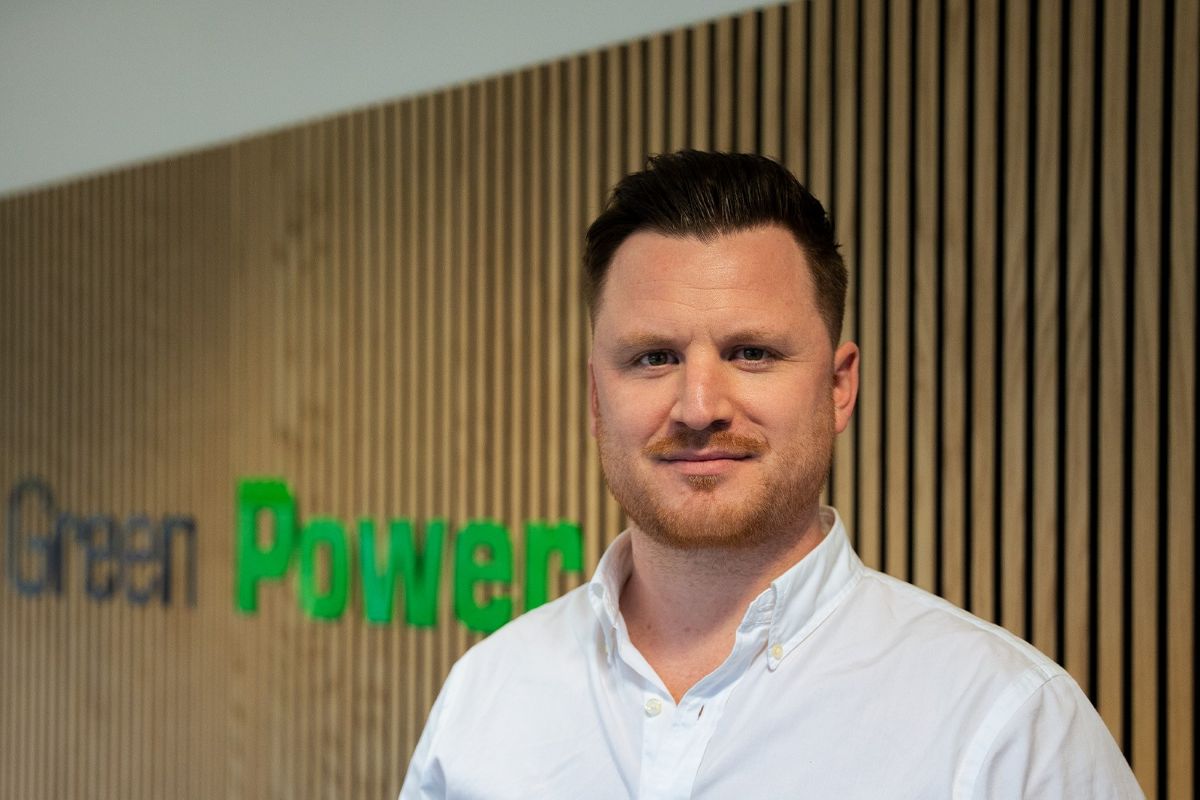
Statement from Managing Director, James Cunningham
“Security”. It is a word we are seeing, hearing, and thinking about more than we have needed to for decades.
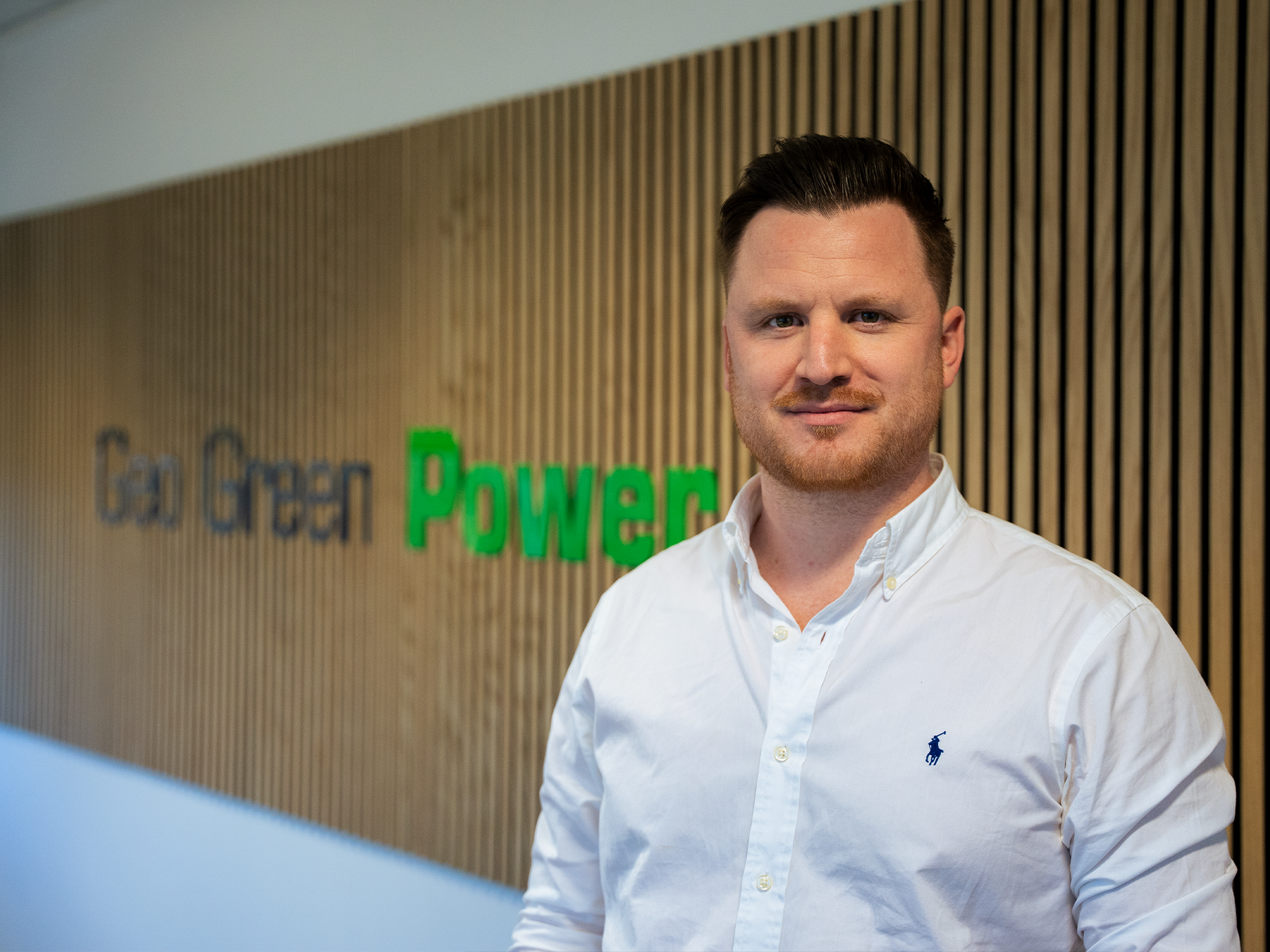
The geopolitical landscape is increasingly volatile. Once-reliable allies now openly disagree on fundamental principles. The US and Israel invasion of Iran, and Russia’s invasion of Ukraine continues to destabilise Europe, while tensions in Israel and Gaza remain at breaking point. Trade wars are threatened, markets are disrupted, and uncertainty is becoming the defining condition for industries across the world.
At the same time, a quieter but no less devastating crisis continues to unfold. Millions of people die every year from air pollution. Sea ice and glaciers are melting at unprecedented rates. Crops fail under prolonged drought, while extreme weather events destroy cities, infrastructure, and livelihoods. These challenges are not abstract or distant – they are already reshaping our economies, our communities, and our future.
When we talk about security, our Armed Forces rightly come to mind – the men and women who dedicate their lives to protecting our country and its people. But in moments like this, other forms of security demand equal attention. One of the most critical is energy security.
The world is running out of fossil fuels. The oil and gas industry estimates that we have roughly 50 years of consistent supply remaining. That may see many of us through our working lives, but it raises a far more important question: what does energy security look like for the generations that follow? Today, the UK is increasingly dependent on volatile global markets and overseas suppliers for the majority of its fossil fuels, leaving households and businesses exposed to supply shocks and dramatic price fluctuations.
We saw this reality play out almost immediately following Russia’s invasion of Ukraine, and more recently the crisis in the middle east. In 2022, energy costs across the UK had at least doubled – and for some, the impact was catastrophic. I recall one customer whose annual electricity bill rose by more than 800%, increasing from £100,000 to just under £1 million overnight. That level of volatility is not something most businesses can absorb or survive. Yet, crucially, there was an alternative – a way for them to take control of their energy supply and secure their costs for the long term.
That alternative is renewable energy.
By turning to renewables – whether as individuals, businesses, or as a nation – we can reclaim control over how our energy is produced, priced, and secured. Solar power is now one of the cheapest forms of energy on the planet. It is abundant, proven, and effectively unlimited. Power generated at source can be consumed directly, reducing reliance on the grid, or exported so that others can benefit.
At scale, renewable generation unlocks even greater possibilities. Large solar assets can be used to produce renewable fuels such as green hydrogen, enabling clean energy to be stored, transported, and deployed in locations where grid power is constrained or unavailable. This is not future technology – it is available today, scalable now, and improving rapidly.
The UK stands at a pivotal moment. We have the technology, the expertise, and the natural resources to transform how we power our country. Investing in renewable energy is not simply a climate decision – it is a strategic one. It strengthens national resilience, protects consumers from global instability, supports economic growth, and creates a cleaner, more secure future.
Energy security is national security and by embracing renewables, we have the opportunity – and the responsibility – to take control.”
James Cunningham, Managing Director, Geo Green Power