Ground-Source Heat Pump Installers in the Midlands 

Transform your property with the ultimate renewable technology. Reduce your carbon footprint and enjoy exceptionally efficient, stable warmth all year round with the leading ground-source heat pump installers in the Midlands. 

Ready to upgrade? Our experts provide bespoke designs and professional ground-source heat pump install services to ensure your energy bills stay low and your comfort stays high. 

Geothermal ground source heat pump loop installation

The Boiler Upgrade Scheme (BUS)

Following recent energy price volatility, the UK Government has officially announced an increase in the Boiler Upgrade Scheme (BUS) grant. 

Effective immediately, households replacing oil or LPG boilers can now access £9,000 in funding, up from the previous £7,500.  

Our Offer: To help you make the leap, Geo Green Power is offering a £500 credit toward your conversion when you switch from oil to a heat pump with us. 

Check Your Grant Eligibility
Heat Pump + BUS Grant

“The installation was handled with great care, consideration and professionalism by the team, led by Rob. It was a delight to have them here.  

Jane Sherpard 26/04/22

Benefits of a Ground-Source Heat Pump 

Investing in a ground-source heat pump installation is the most effective way to future-proof your home or business heating. 

GSHP underground installation construction
(01)

Unmatched Efficiency

Because ground temperatures remain constant (approx. 10-12°C) year-round, GSHPs are even more efficient than air-source alternatives.

(02)

Commercial Scalability

As a leading commercial ground-source heat pump installer, we provide high-capacity systems for warehouses, farms, and offices.

(03)

Invisible & Silent

With the pipework buried underground and the unit housed indoors, there is zero external noise or visual impact. 

(04)

Long-Term Reliability

Ground loops have a lifespan of minimum of over 50 years, making this a permanent solution for your property.

Partnering with the Midlands’ Leading Specialists 

Partner with a team that has a proven track record. We are more than just a ground-source heat pump installer; we are your partners in long-term energy independence. 

Serving Nottingham, Leicester, Derby, and the wider Midlands.

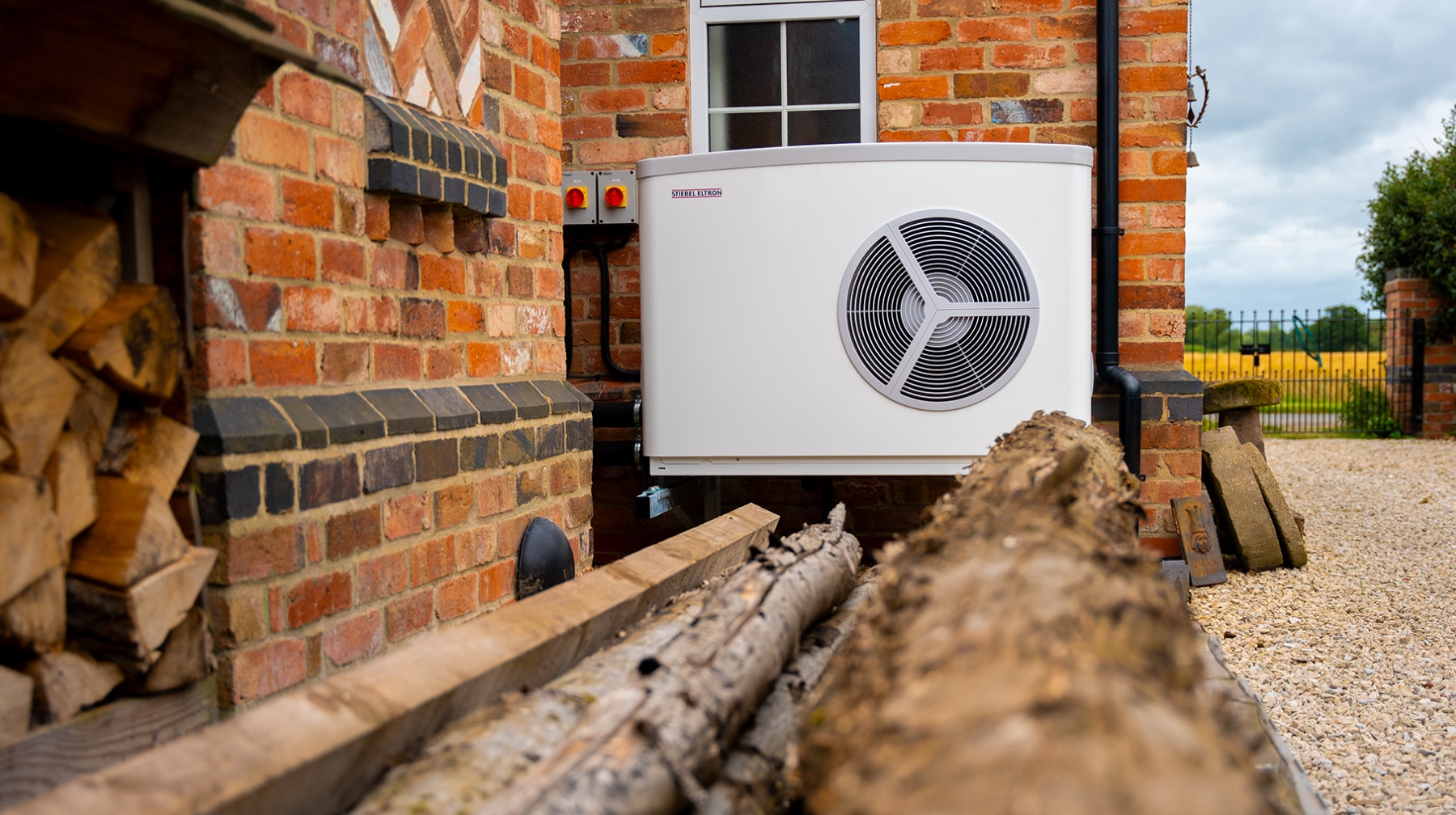
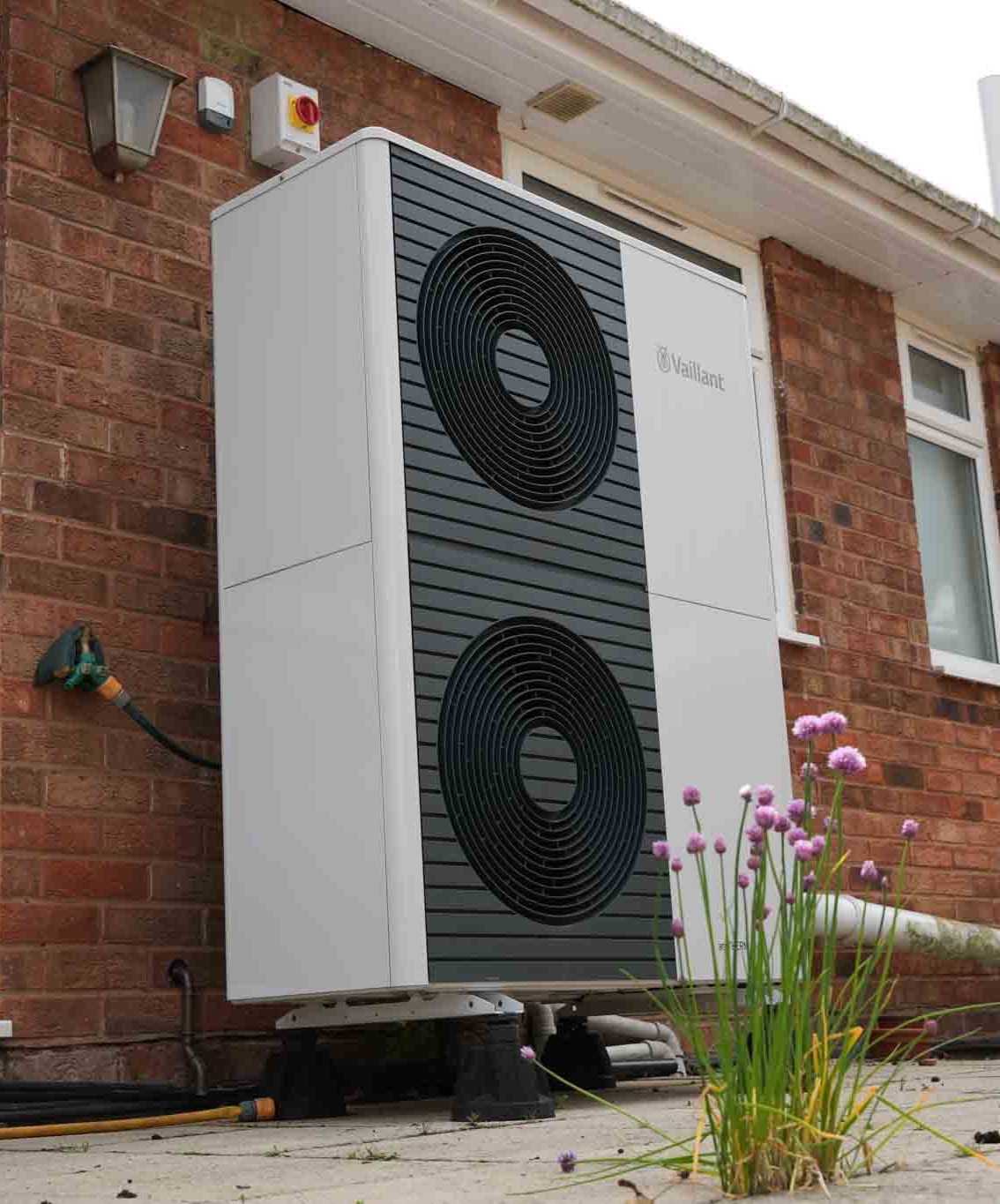
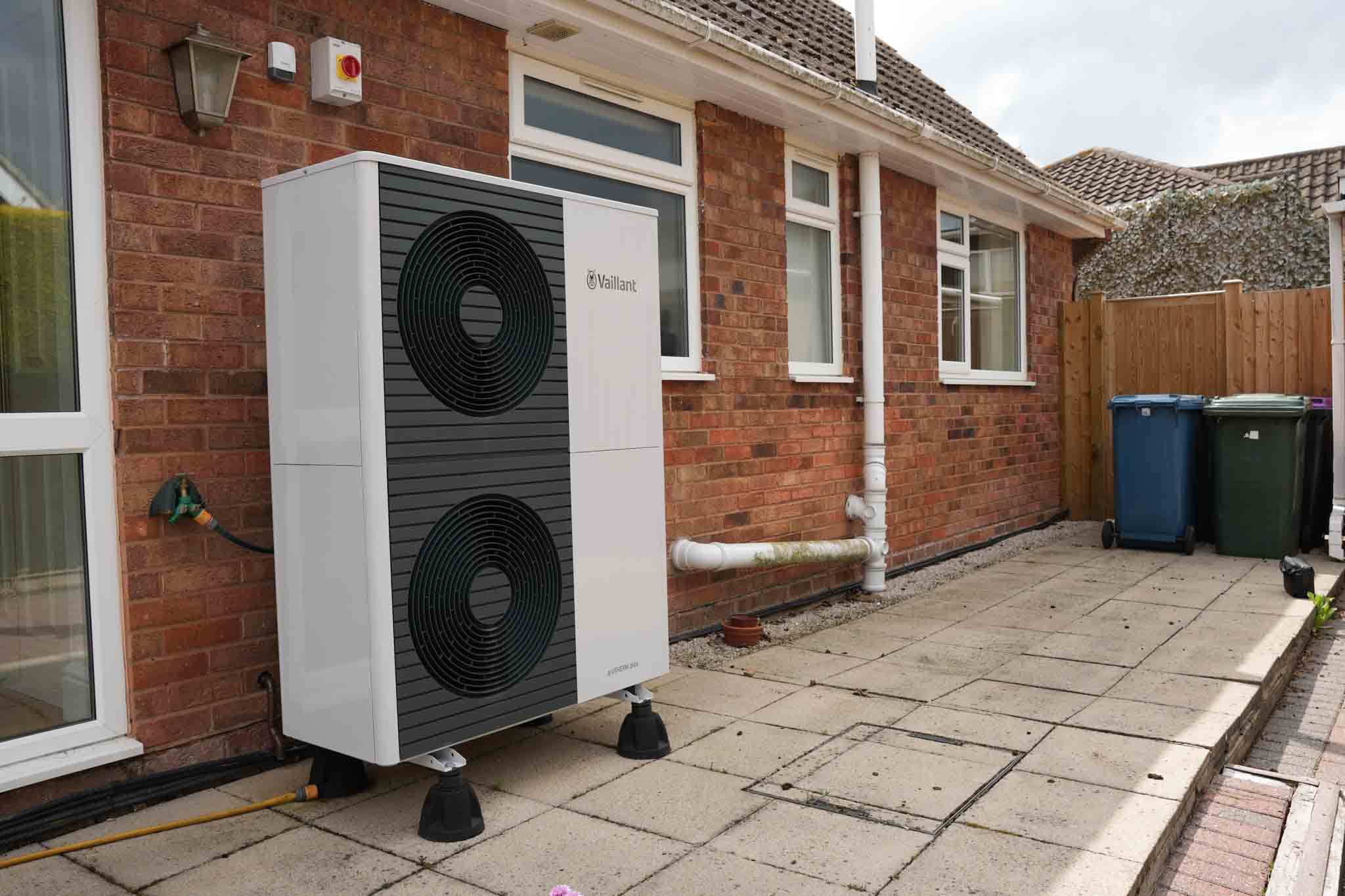
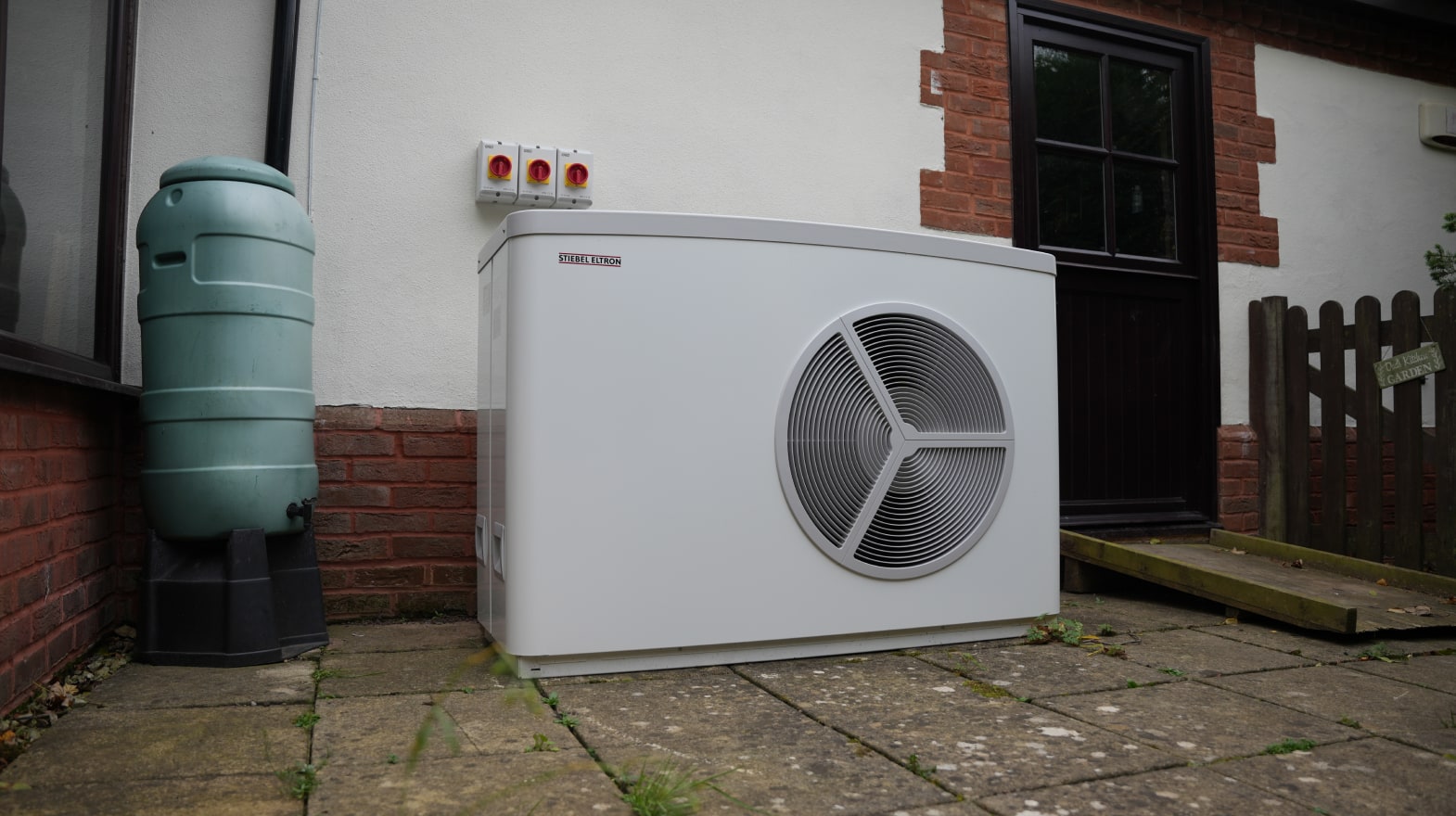
We are fully accredited ground-source heat pump installers near you, ensuring your system meets the highest UK standards. Key brands we install include: Valliant, Stiebel & NIBE

We act as a specialist groundsource heat pump installer for businesses, helping companies meet ESG targets and reduce overheads. 

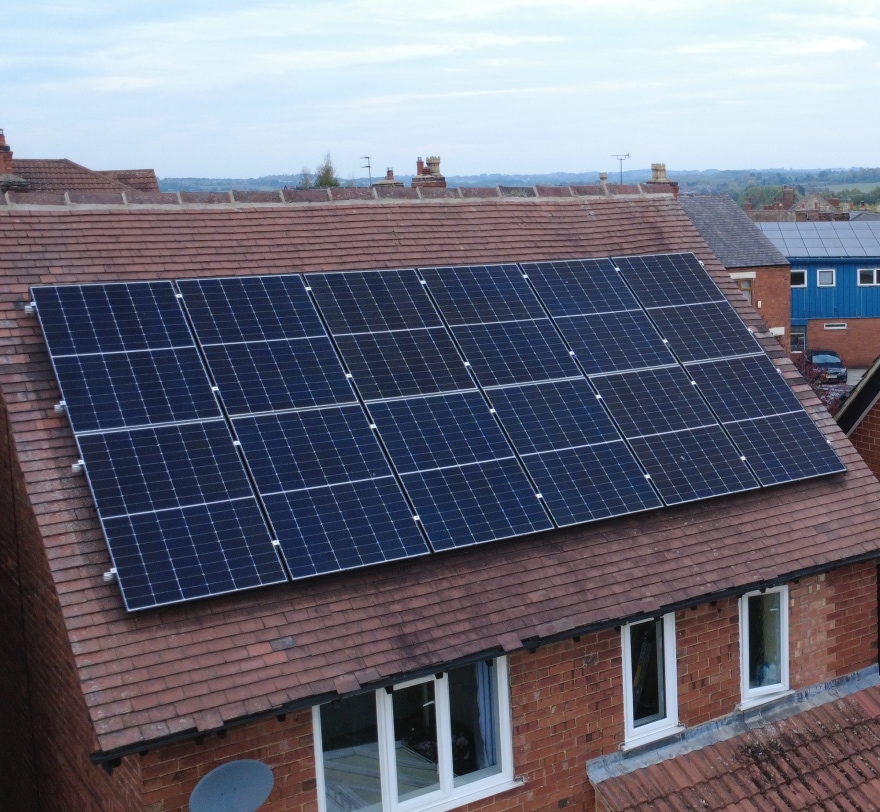
We can combine your geothermal heating with solar PV for a true net-zero energy profile.

GSHP Install in Leeds 

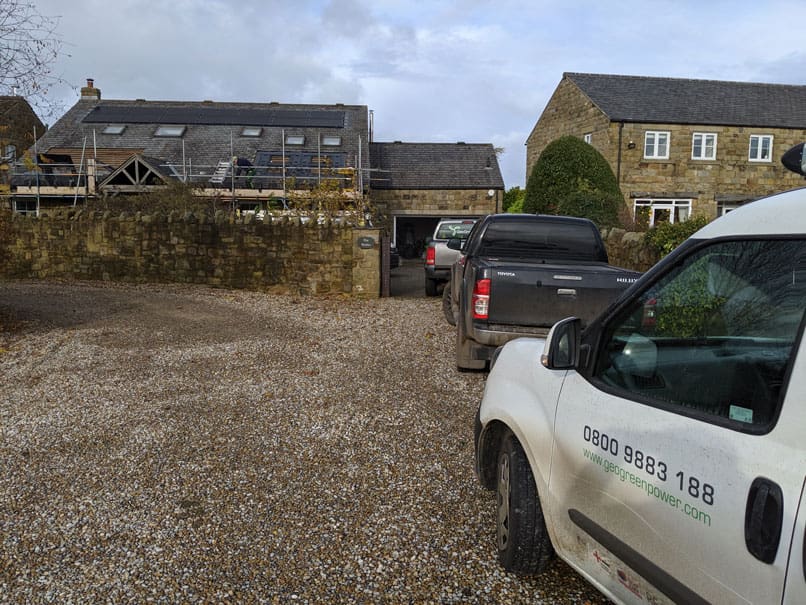
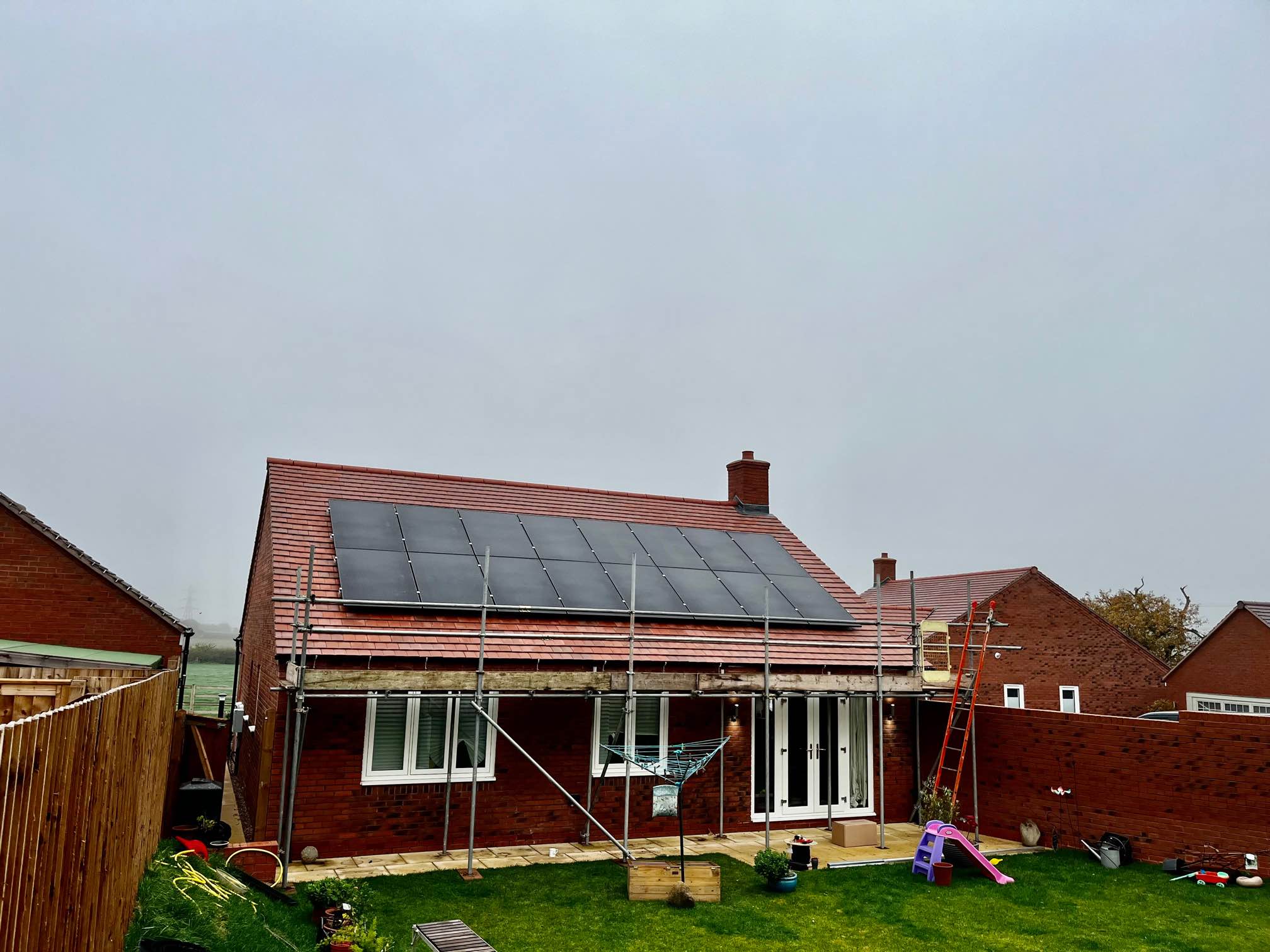
Rob Tuley partnered with Geo Green Power to drastically reduce his environmental footprint.

The installation featured a 13kW ground source heat pump paired with a 6kW solar PV array and 100sqm of underfloor heating.

To address aesthetic concerns, the team utilised “inline” solar panels that sit flush with the roof tiles for a sleek, integrated finish. Despite being installed during a harsh Yorkshire winter, the system has proven highly effective, roughly halving the home’s energy costs and saving an estimated tonnes of CO2 annually. 

Searching for a Ground-Source Heat Pump Installer? 

Join thousands of residents and businesses across the Midlands choosing renewable energy. 

Contact Us

Our Installation Process 

There are two primary methods for heat extraction based on your available space. While our expertise focuses on the precision engineering of the heat pump itself, we can provide technical guidance and local specialist recommendations for either of the following ground-loop configurations. 

*Disclaimer: Geo Green Power DOES NOT install boreholes on top of the installation. We leave this to specialists’ contractors. We highly recommend that you begin locating and contacting a specialist near you before we begin the installation phase.  

  1. Horizontal Ground Loops: Ideal for properties with ample land. Pipes are laid in shallow trenches to absorb solar energy stored in the soil.
  2. Vertical Boreholes: The perfect space-saving solution. We drill deep into the earth to access stable thermal layers, requiring minimal surface area. 

Ground-Source Heat Pump FAQ

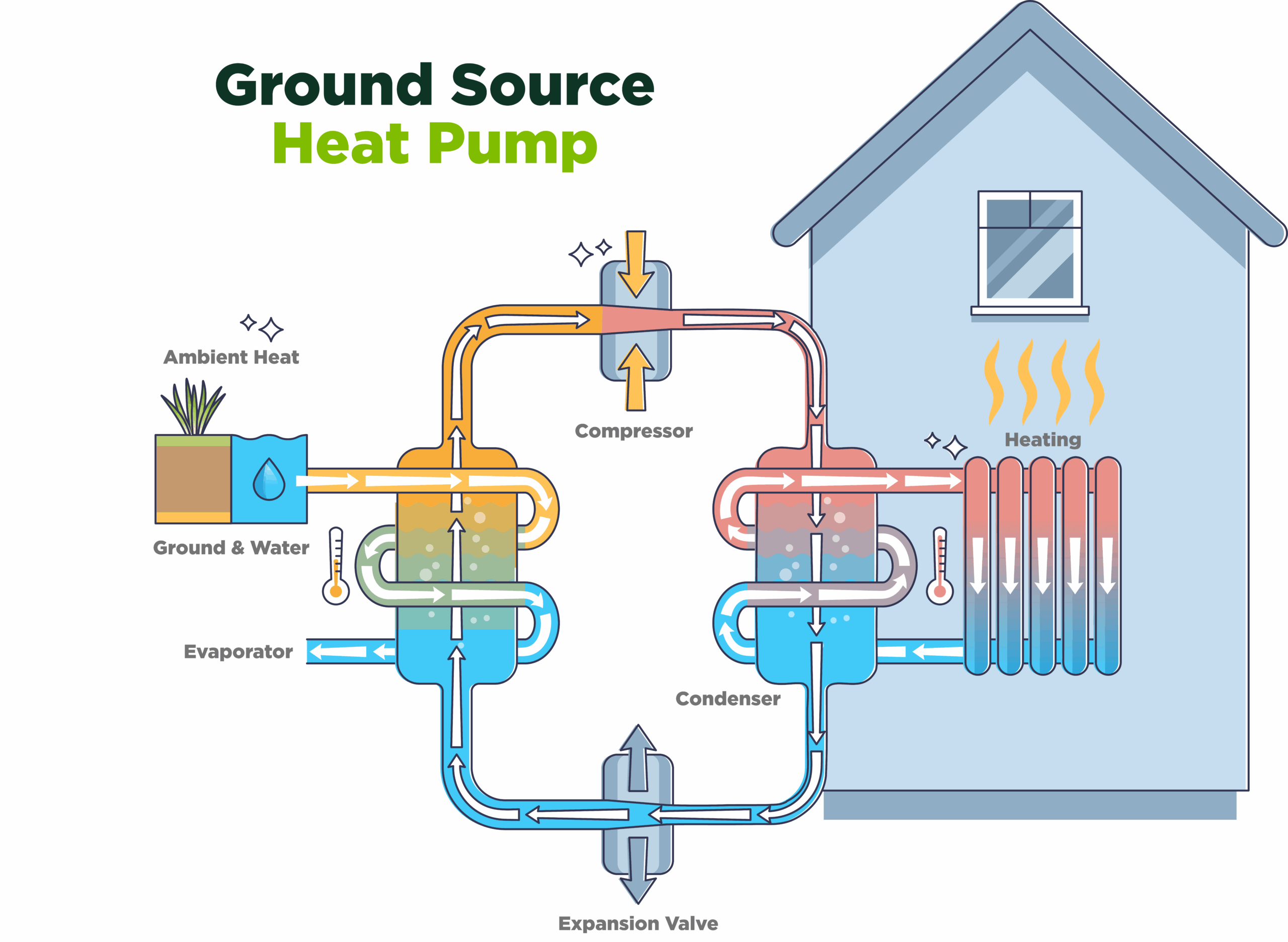
A ground source heat pump unit is installed inside your property, which means that you need to have space for a plant room to house the system. This needs to be taken into account early on in the design of the system, as it requires more space than the small cupboards that most properties use to house a boiler. An average ground source heat pump plant room measures around 2.1m x 1m, and this would house the pump, cylinder, pipework and controller. 
Ground Loops Ground loops are the most popular choice for ground source heat pump installations, and they work via a collector pipe which is buried one metre below the ground to draw heat from the soil through to the heat pump. The heat that’s extracted is then continually replenished from the sun. Ground loops require plenty of unused land, typically at least three times the total square footage of your property, including both ground and upper floors. Ground loops are cheaper to install than boreholes, and they don’t require specialist contractors to install them. The ground loop trench can also be dug out at the same time as laying out the foundations for a new build, which makes them a popular option for new homes. However, they do require more land, and you can’t develop the land area once the ground loops have been installed. Boreholes Boreholes are vertical holes drilled between 40m and 120m deep. The ground collector is then dropped into the hole to extract the heat energy, before being filled with grout to encourage more thermal conductivity. Boreholes require specialist contractors to be installed, and the number of boreholes needed will depend on the property. Boreholes don’t require as much space as ground loops, but they cost almost double due to the specialist contractors, equipment and logistics involved in the project. When choosing between ground loops or boreholes, you’ll need to consider the cost of the installation and the amount of available land you must work with. In some cases, an air source heat pump may be a cheaper option and can work well on smaller plots. If you’re in doubt, speak to a member of our team who can advise you on the best course of action. 
A well-designed ground source heat pump combined with a solar PV system will provide you with low running costs over the course of its lifetime, but you still need to maintain the system regularly to keep it working optimally. Compared to fossil fuel alternatives, ground source heat pumps are far cheaper to run and maintain, with our servicing and maintenance call-out fees starting from just £275+VAT. Ground source heat pumps can last up to 50 years minimum when properly maintained, and we recommend annual servicing to ensure it’s working as it should. During our checks, we’ll assess the control equipment, pipework, compressor, water pump, and anti-freeze mixtures. 
A typical GSHP system may use around 100m of pipework; this means that you need to have the physical space to accommodate it. This is where the choice between horizontal and vertical systems can become important. If you don’t have the horizontal space for 100m of pipes, a vertical system may be the only option. While it is true that having a large property gives you a broader range of options, it should also be noted that GSHPs can be built at properties of almost any size. 
Under normal circumstances, GSHPs are usually considered to be permitted for development, and as such you do not require planning permission. However, it is always best to seek the advice of your local council to establish whether you need to obtain planning permission to install your GSHP.  The specifics of your property may also mean that you are required to gain permission before making significant changes, for example, if your property is a listed building. 
Ground-source heat pumps offer a comprehensive suite of advantages, delivering significant operational efficiencies that reduce long-term fuel expenditure, particularly for properties transitioning from traditional electric heating systems.  While the initial installation represents a meaningful capital investment, the system provides substantial environmental benefits and enhances the overall value and sustainability of your property.  To determine if this technology aligns with your specific requirements and infrastructure, we invite you to consult with our specialist engineering team for a bespoke feasibility assessment. 
Today, you can save £7,500 - £9,000 immediately through the Boiler Upgrade Scheme grant and benefit from 0% VAT on the entire installation cost. Beyond the initial setup, a ground-source heat pump can reduce your annual energy bills by up to £1,500 if you are switching from direct electric or oil heating. 
It is important to consider whether a GSHP is the right choice for your property. This can be a very valuable form of renewable energy; however, it is not necessarily suitable for every home or residential development. Here are some things to consider: The Type of GSHP:Choosing a GSHP that is the right size, and type is extremely important for the potential profitability of the installation. It is a good idea to work with experienced renewable energy providers who can offer expert insight and guidance. Space Requirements: it may be the case that you are thinking of having one type of system installed but do not have the space for it. Vertical systems are generally best if you have limited space available; however, the type of bedrock beneath your property can restrict how far down you can bury your pipes. Initial Cost: While there are very few ongoing costs related to GSHPs, as they require very little maintenance, the initial cost can be high. However, the cost will be paid off with energy savings over time. 
There is generally low on-going running costs related to GSHPs. Very little maintenance of the system is required. We work with excellent manufacturers whose systems have an excellent track record and are built to last. 
Bus Scheme: £7,500 - £9,000 towards a ground-source heat pump installation (including water-source and shared ground loops). VAT Savings: There is currently 0% VAT on the installation of energy-saving materials, including heat pumps, which further reduces the initial outlay. 
One aspect of heat pumps to note is that systems can be installed either horizontally or vertically. It is important to have a loop of pipe that is large enough to extract heat effectively, and the two types of systems are used depending on the size of your property. Vertical systems are typically more expensive to install and require specialist equipment to drill the boreholes. However, they can be built with relatively little space. This makes it ideal for properties with less physical space. Horizontal systems require more land to install, as there is clearly the need for a larger space than a vertical system. However, groundwork is cheaper as it only requires a trench for the system to be placed within, rather than deep boreholes. 
This largely depends on the space you have available. If your property sits on a large site, you may have enough space to bury a large loop horizontally; this is typically cheaper and faster. Vertical GSHPs are more expensive but can allow the system to be installed on properties of almost any size. 
Yes. We are a dedicated ground-source heat pump installer for businesses, providing bespoke designs for agricultural buildings, schools, and industrial units. 
Because of the groundwork involved, a ground-source project typically takes 1 to 2 weeks. Our team handles everything from the initial excavation to the final commissioning. 
Most properties in the Midlands are suitable. For houses with gardens, horizontal loops are common. For urban sites or businesses, we act as a commercial ground-source heat pump installer using vertical boreholes to save space. 
The cost of a domestic ground-source heat pump installation typically starts at £25,000. However, with the £7,500 - £9,000 BUS grant and significantly lower running costs, the long-term return on investment is excellent.