Guide to Investing in Low Carbon Heating Systems
In virtually all homes, the majority of the energy you use goes towards heating the property. So, it stands to reason that if you’re looking to be more sustainable and reduce your carbon footprint, you need to find a more environmentally friendly heating system.
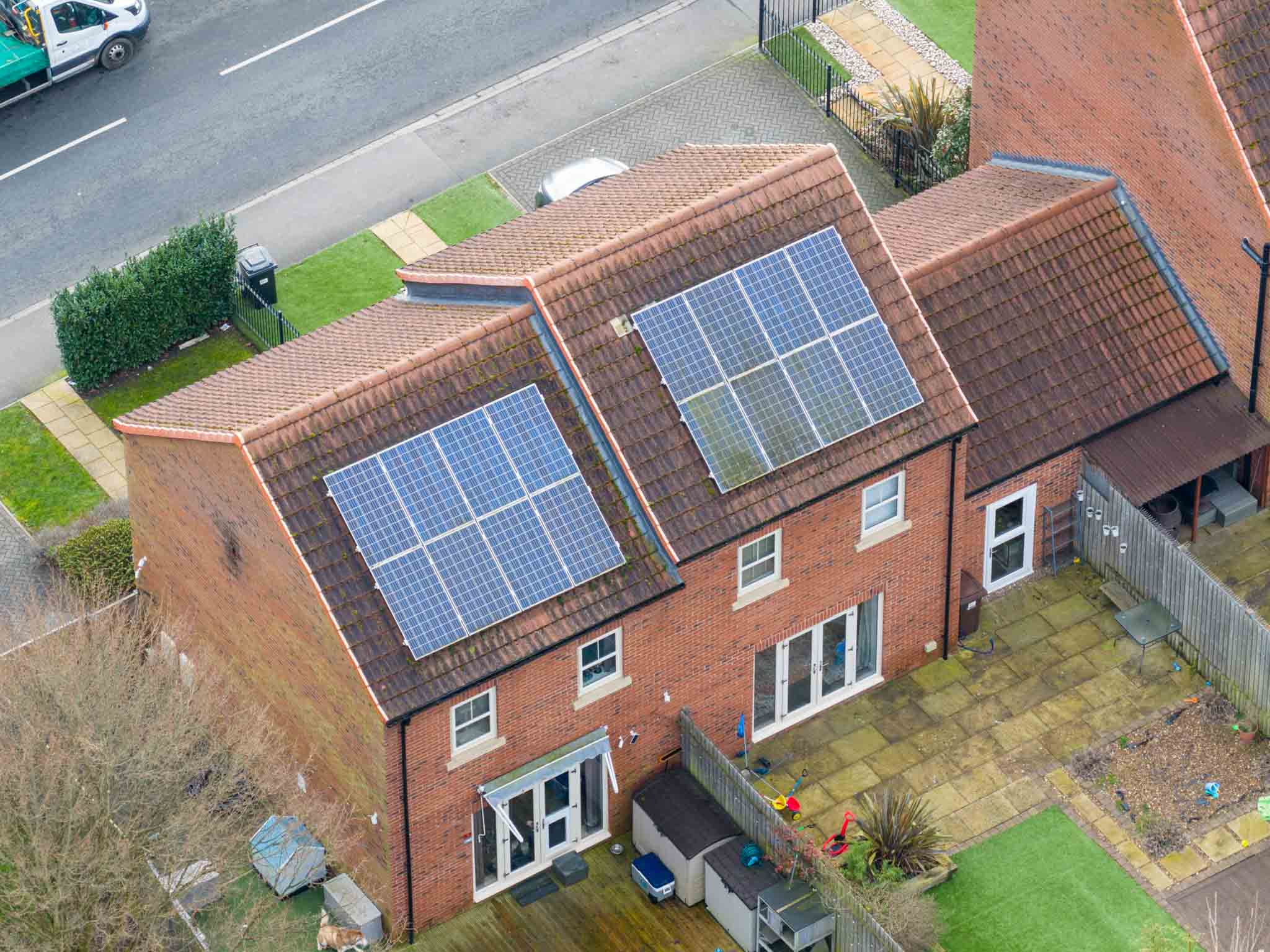
In the government’s bid to reduce carbon emissions by 2050, there will be a ban on gas boilers in new homes by 2025. By 2035, the UK aims to phase out all gas boiler installations. But there’s no need to wait for the ban to make the switch, and getting away from fossil fuel heating not only helps to make your home more sustainable, but it also cuts your heating costs considerably.
Low-carbon heating systems are a great solution. But how do they work, what options fall under this category, and how do you get started with investing in a renewable heating system for your property?
What are low-carbon heating systems?
There are three main options for low-carbon heating: heat pumps, biomass boilers, and solar water heating.
Heat Pumps
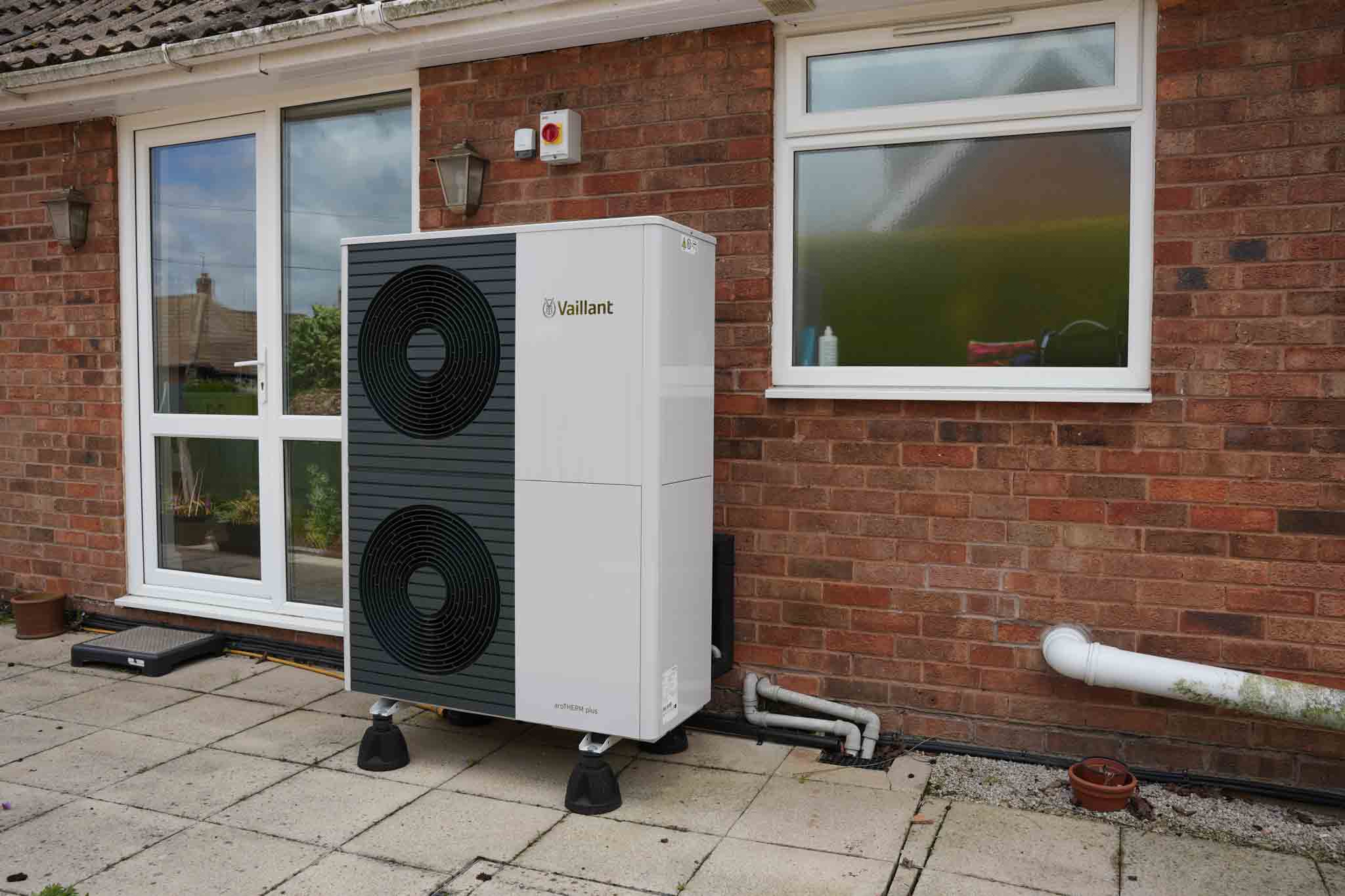
Heat pumps come in two main forms: ground–source and air-source. They’re a sustainable alternative to fossil-fuel heaters and provide a low-carbon heating option. Heat pumps work by absorbing heat from the ground or air, transferring it to a liquid, and compressing it to raise the temperature, which is then used to heat your home.
This option provides several benefits for property owners. Firstly, they can lower your fuel bills, particularly when compared to the cost of a conventional electric heater, and they can reduce your household carbon emissions. They can be used to heat your home and hot water, and they work year-round. They’re highly efficient, producing 4 kilowatts of heat for every 1 kilowatt of electricity they use, and they require very little maintenance with a lifespan of around 20 years.
Biomass Boilers
A biomass boiler system burns wood pellets, chips, or logs to power central heating and hot water boilers. This heating system emits carbon dioxide at a much lower level than coal or oil-fired systems, and because it uses regenerative fuel, it’s a more sustainable option.
Biomass boilers are affordable and often cheaper than other heating options, and the carbon dioxide levels emitted are the same as those absorbed when the plant used for the fuel was growing. With UK landfill sites taking in tonnes of waste wood every year, using wood for fuel isn’t just sustainable in terms of producing the material, but it can also take the strain off landfill sites.
Solar Water Heating
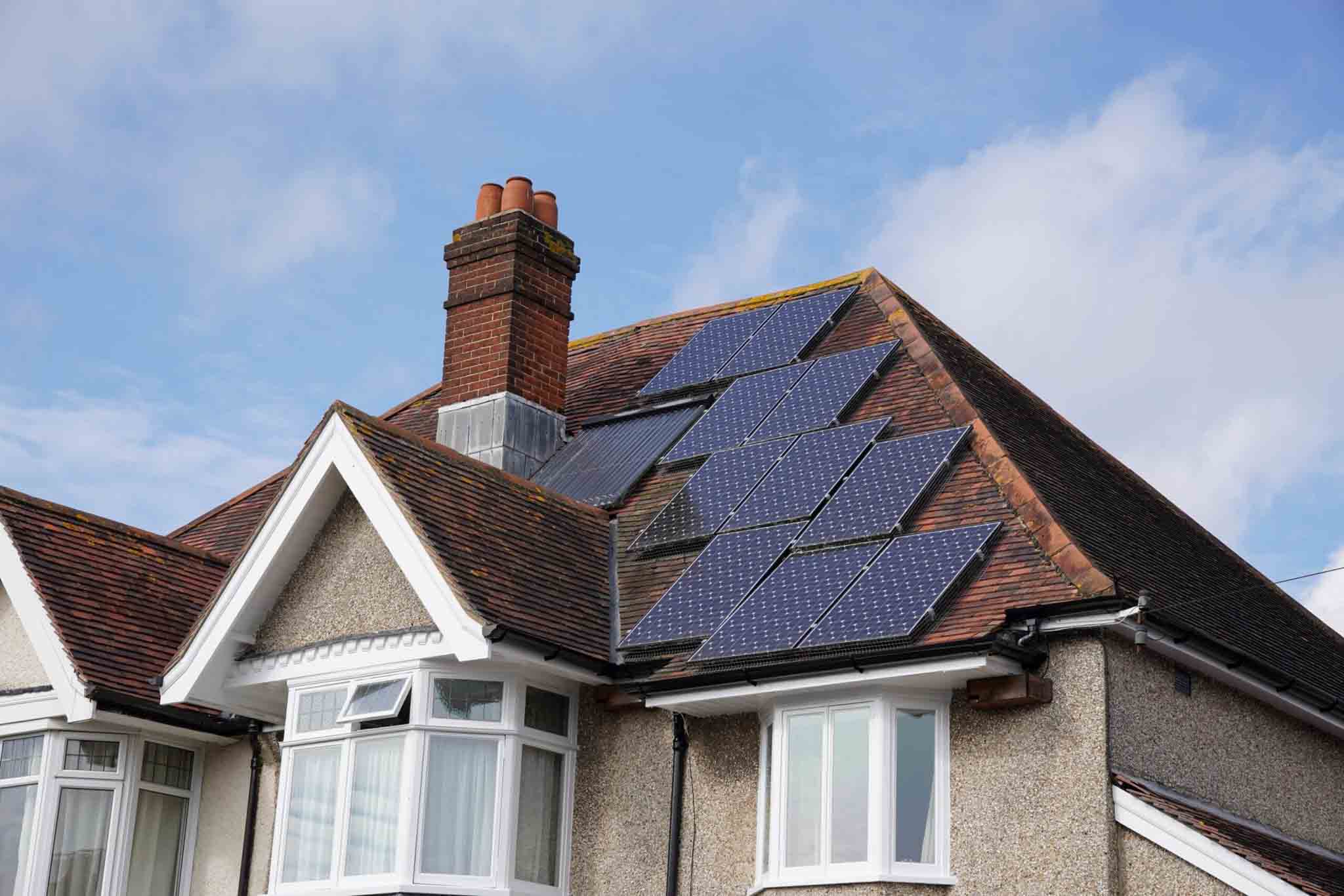
Solar water heating systems use solar panels to collect solar heat and transfer it to water stored in a hot water cylinder. They can be used with an immersion heater or a conventional boiler to raise the water temperature or heat it when solar energy isn’t available.
Solar water heaters provide hot water year-round and can help reduce your energy bills. Since sunlight is a free, renewable energy source, it’s a far more sustainable option and can help lower the home’s carbon footprint.
What to consider when choosing a low-carbon heating system
There are several factors to consider when choosing the right heating system for your property. First is cost – your budget will play a big role in which heating system fits your needs.
Air-source heat pumps typically start over £10,000 to install, while ground-source heat pumps start from even higher figures. A biomass boiler will set you back between £4,000 and £10,000, depending on the size of your property, while solar panel costs will start at around £10,000 (when using a reputable installer).
Space is also something to consider. For heat pumps, you’ll need to check whether your home is suitable, and you have the space to install the pipework for a ground-source heat pump and adequate space for airflow around an air source pump. Likewise, you’ll need around 4-5 square metres of roof space for solar panels, and you’ll need to check that your roof is oriented in the right direction for maximum sun exposure. A biomass boiler requires space for the boiler itself and for fuel storage.
You may also need planning permission for installing these systems, depending on your property and location.
Every home is different, and the costs, benefits, and suitability of each system will vary from home to home. Researching and working with a licensed, experienced team will help you make the right choice for your property and your budget. However, whichever option you choose, the upfront cost of installing a low-carbon heating system will be offset by the environmental benefits and long-term savings it delivers.