Are Solar Panels Worth It? Everything You Need To Know About Investing in Solar
It seems solar panels have been appearing on properties across the country for a few years now as the popularity of renewable energy increases. But while investing in solar might seem tempting, it’s a big investment in your home, leaving many to wonder, ‘Will it be worth it?’
There’s no single, one-size-fits-all solution to solar power, and the cost and size of the system you’ll need will depend on your energy needs. In this blog, we’ll go through the key considerations to make before investing in solar to help you figure out what’s best for you.
How does a solar power system work?
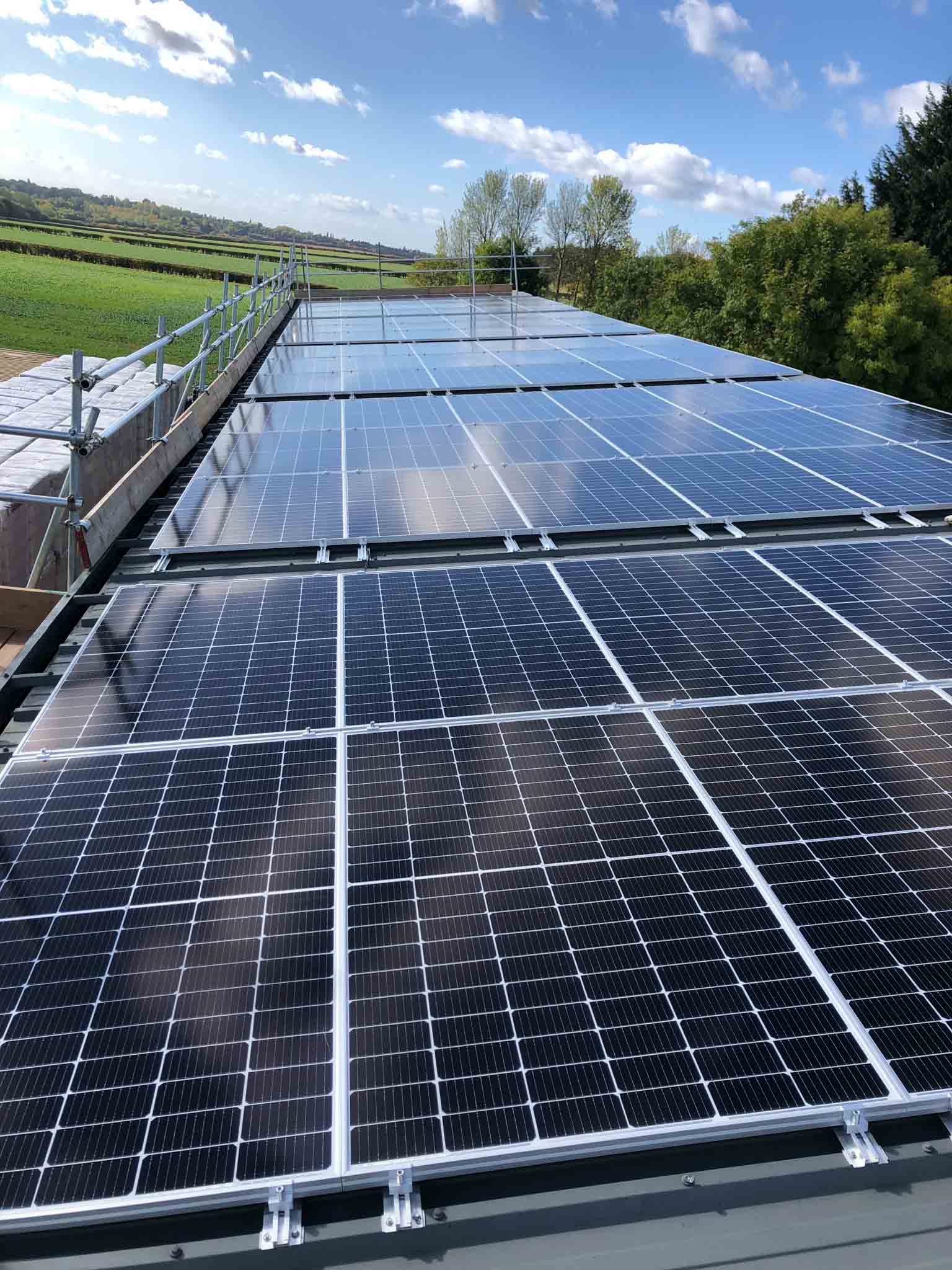
Solar panels generate electricity via solar energy, and they can achieve this even on cloudier days since direct sunlight isn’t necessary to convert light energy into power. A solar panel inverter converts direct current into alternating current, making it usable in homes. Any excess electricity generated will be exported back to the grid.
There are two types of solar panels – photovoltaic (PV) and thermal.
PV panels are the most common as they’re the most effective at capturing the sun’s energy and converting it into usable electricity, something we use more of.
Thermal panels are most effective for heating water in your home.
What are the benefits?
Solar power offers numerous benefits:
- It’s a renewable source of energy that’s environmentally friendly and doesn’t pollute the atmosphere
- The materials used in solar PV panels are increasingly being recycled, making the carbon footprint of this technology even smaller
- It will help you cut down on your energy bills each month
- Since they’re considered a permitted development, most homeowners won’t need to seek planning permission to install them
- Solar panels are low-maintenance and, in most cases, will last in excess of 25 years before needing to be replaced
- They can be used with other systems, such as ground-source heat pumps and battery storage
- Less energy is wasted since the power you’re utilising is coming from your rooftop, making for a more efficient form of energy generation
- With demand on the rise for sustainable solutions, investing in solar panels could increase the value of your home if you sell in the future
Is your roof suitable?
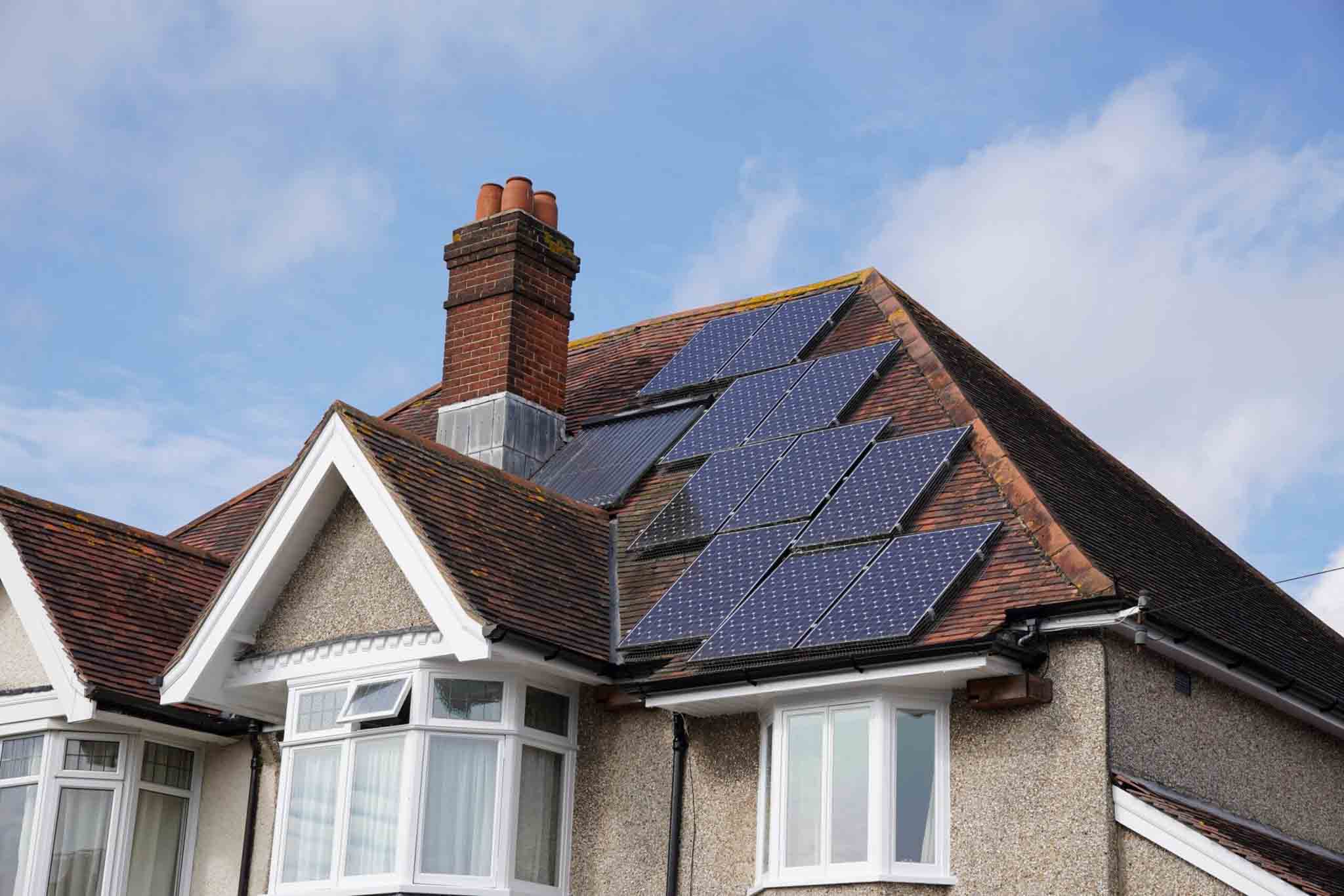
For optimal results, your solar panels should be installed on a south-facing roof. While they will also work for east or west-facing roofs, the amount of power generated will, of course, be lower. The angle of your roof also plays a part, since solar panels are at their most effective at a pitch of 30–35 degrees. When investing in solar panels, you will need to check that your roof isn’t shaded by trees or overshadowed by tall buildings, as these can reduce the system’s efficiency.
Most homes don’t need planning permission for solar panels to be installed. But if you have a flat roof, live in a listed building, or your home is in a conservation area, you may need to check with your local council before installing them.
Before your solar PV system is installed
Before you start the installation process, you’ll need to have a survey carried out on the property to ensure the size and design of the system suit your home. A member of our team will be able to provide this to assess the suitability of your home, carry out a shading analysis, and provide you with a quote. It’s also worth pigeon-proofing your roof during installation, rather than after, to prevent birds from nesting under the panels once they’re in place.
After the installation is complete
Once the panels have been installed, you can start enjoying the benefits of cleaner, cheaper energy. However, remember that you’ll still need to pay for any energy your home uses that you don’t generate yourself. Some homeowners choose to invest in battery storage, which works alongside your solar PV system to store excess electricity for future use, maximising the impact of your solar panels.
You should also consider the maintenance of your panels – generally speaking, solar panels are incredibly low maintenance.
Make sure any dust or debris is hosed off the panels to maximise their performance, and schedule a maintenance check once a year by a qualified engineer to diagnose any issues and ensure the panels are working properly.
Solar power offers excellent opportunities for cost-saving, reducing the carbon footprint of your home, and even increasing your home’s value in some cases. But it is an investment, so it’s understandable that some may be unsure whether it’s right for them.
At Geo Green Power, we’ve worked in the renewable energy sector for many years, so we’d be happy to discuss the options available to help you determine if solar panels are right for you and your home.
Get in touch with us today to find out more.