7 Tips on How to Prepare Solar Panels for Cold Winter Weather
As the temperature drops and winter approaches, many homeowners begin to wonder how their rooftop solar systems will fare in the cold, dark months.
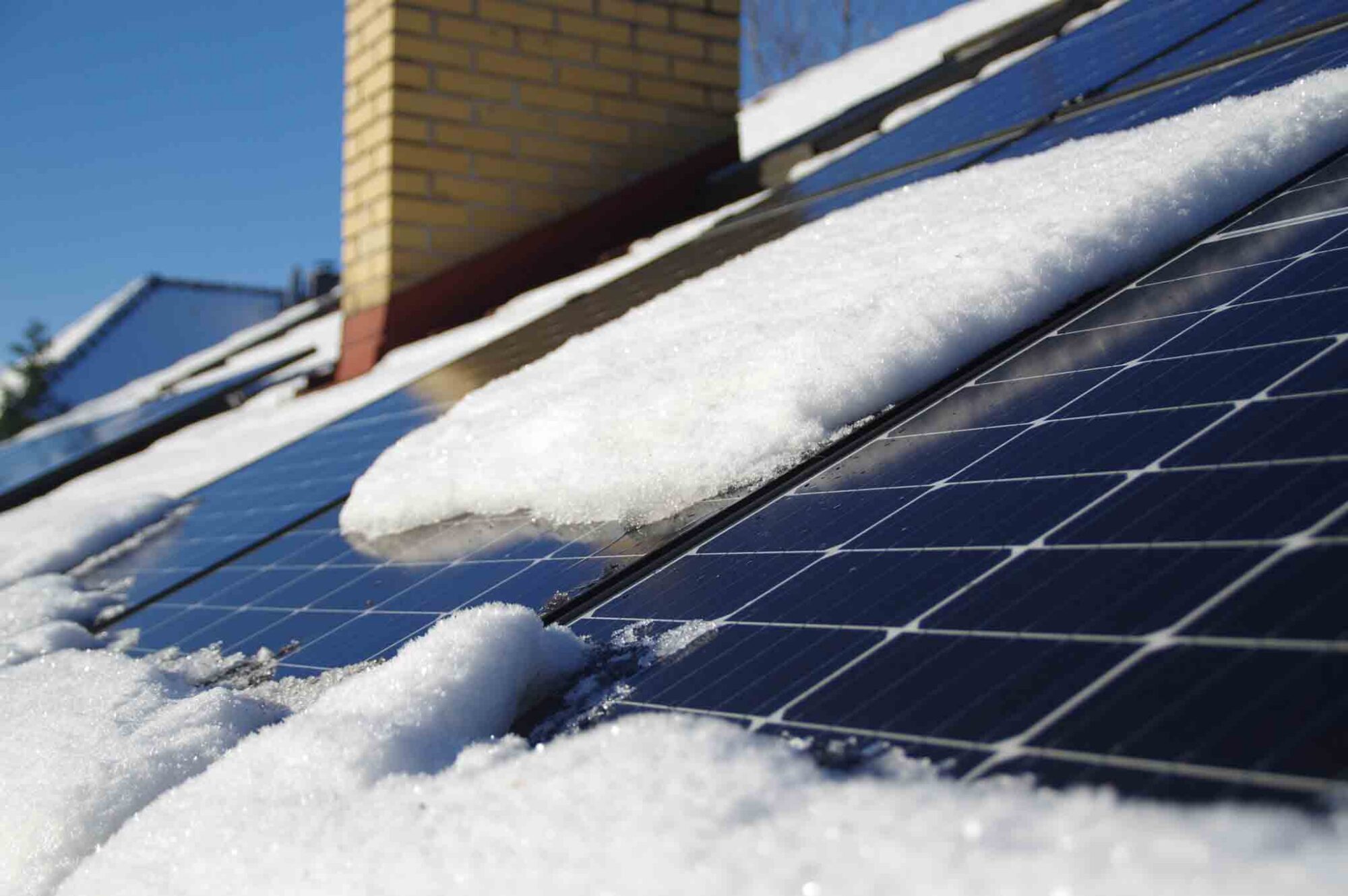
A common myth is that solar energy relies on heat; in truth, photovoltaic technology relies strictly on daylight.
Preparing solar panels in the winter does not require complex overhauls, but taking a few practical steps ensures your system stays efficient, reliable, and safe when you need power most.
Below is your complete, educational guide on how solar in the winter operates, how to prepare your setup, and how to maximise every kilowatt-hour of solar energy in winter. We’ll unpack the following steps:
- Autumn Visual Inspection
- Clear Shading & Trim Branches
- Let Frost and Snow Melt Naturally
- Optimise System Settings
- Inspect External Conduit
- Keep Solar Batteries Warm
- Monitor Diagnostics via App
But before diving into the 7 top tips, let’s analyse the performance of solar energy during winter months to understand why it’s crucial to stay on top of the game.
Are Solar Panels Less Efficient in Winter?
It might surprise you to learn that cold weather actually boosts electrical efficiency.
Photovoltaic cells convert light into electricity more effectively at lower temperatures.
When solar panels overheat during scorching summer months, their voltage drops slightly, causing a minor drop in operational efficiency. Winter air acts as a natural coolant, keeping the panels close to their optimal operating range.
So, are solar panels less efficient in winter? Technically, no; the panels themselves are more efficient.
However, total solar generation in winter decreases overall due to environmental factors:
- Shorter Days: Fewer daylight hours mean a narrower window for production.
- Lower Sun Angle: The sun sits lower on the horizon, casting longer shadows and delivering lower solar irradiance.
- Cloud Cover & Weather: Overcast days and snow cut down on direct sunlight, although panels still generate power from diffuse light.
Understanding solar panel performance in winter comes down to recognising that while daily output drops, the underlying technology remains highly efficient.
How Many kW Do Solar Panels Produce in Winter?
A standard domestic system (typically 4kWp) produces between 10% and 20% of its annual electricity generation during the three darkest months (December through February) (Solar Yield, 2026).
When asking how many kW solar panels produce in winter, it helps to look at monthly and seasonal daily averages rather than peak summer figures:
Average Solar Production in Winter
| Month | Typical Monthly Output (4 kW System) | Average Daily Generation | Percentage of Output |
|---|---|---|---|
| November | 75 – 120 kWh | 2.5 - 4.0 kWh/day | 2% - 3% |
| December | 55 – 95 kWh | 1.8 - 3.1 kWh/day | 2% - 3% |
| January | 65 – 110 kWh | 2.1 - 3.5 kWh/day | 2% - 3% |
| February | 110 – 155 kWh | 3.9 - 5.5 kWh/day | 3% - 4% |
| June (Peak Summer) | 410 – 480 kWh | 13.7 - 16.0 kWh/day | 12% - 13% |
Disclaimer: Figures represent realistic UK domestic averages; actual output varies by used technology, geographic location, roof orientation, and shading.
(SolarInfo).
Even though the average solar production in winter is lower, every kilowatt-hour produced directly offsets grid electricity during a season when household energy demand is at its peak.
Here’s Geo Green Power’s top tips to maintain your system’s performance all year round.
7 Safe Winter Preparation Tips for Homeowners
1. Perform an Autumn Maintenance Inspection
Before cold weather sets in, inspect your setup from ground level using binoculars or by checking your system monitoring app. Look for loose cables, damaged mounting hardware, or cracked panels. Better still, book a health check from a certified, professional solar company.
Safety Disclaimer: Do not climb onto your roof during damp, icy, or freezing weather. Roof work carries severe risks of falls. Always hire a certified professional for roof-level inspections.
2. Clear Fallen Leaves and Trim Overhanging Branches
Low winter sun creates extra-long shadows. Trimming back overhanging trees prevents unnecessary shading and stops wet autumnal leaves from sticking to the glass, which blocks light and creates hot spots.
3. Let Snow and Frost Melt Naturally
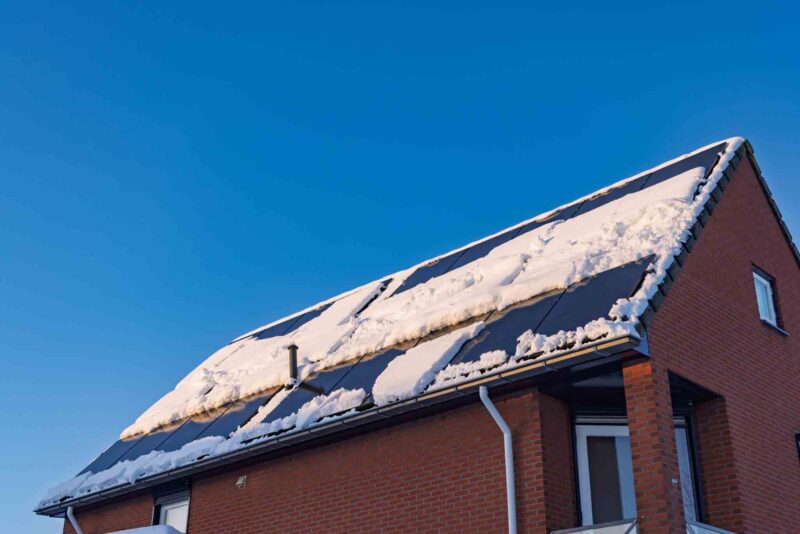
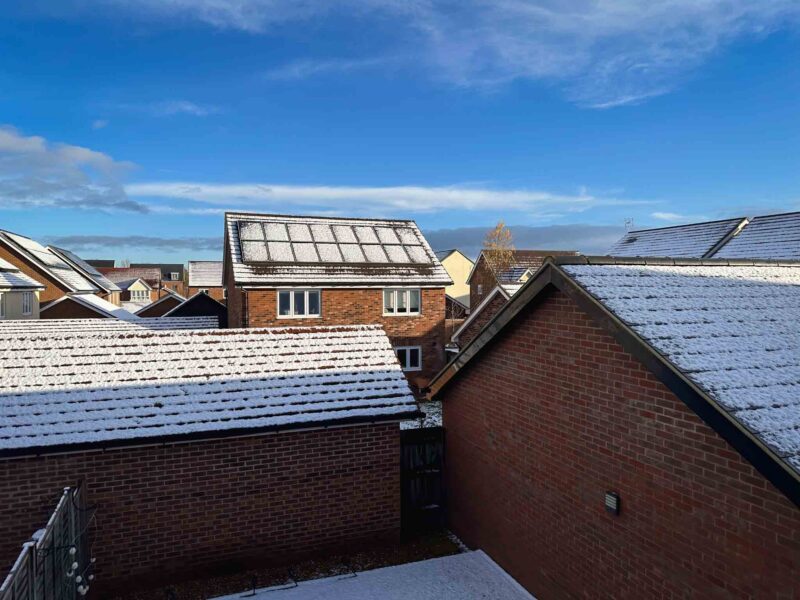
Modern solar panels are made with dark, smooth tempered glass that absorbs light and retains ambient building heat. In almost all domestic cases, frost and light snow will naturally melt and slide off once daylight hits the array.
Safety Disclaimer: Never attempt to scrape ice, sweep snow off roof-mounted panels, or pour warm water on cold panel glass. Scraping can scratch the protective coating, hot water can cause thermal shock cracking, and working on slippery roofs or ladders is extremely hazardous.
4. Optimise System Settings for Shorter Days
If you utilise smart energy management, update your inverter settings or automation software for winter profiles. Program high-energy domestic appliances (like dishwashers or washing machines) to run individually during peak daylight hours (10:00 AM to 2:00 PM) to maximise self-consumption.
5. Inspect and Insulate External Conduit
Ensure all outdoor electrical wiring running from your array into the house is fully enclosed in weather-sealed, UV-resistant conduit. Extreme freeze-thaw cycles can expand micro-cracks in damaged weatherproofing, allowing moisture to seep inside.
6. Focus on Keeping Solar Batteries Warm in Winter
If your system includes home storage, keeping solar batteries warm in winter is essential for maintaining battery life and charging performance. Lithium-ion batteries drop in charging efficiency when temperatures fall near or below freezing (0 Degrees).
- Ideal Environment: Proactive installers will ensure your batteries are placed in a temperature-controlled indoor space, such as a utility room, insulated garage, or dry basement. If yours are already installed elsewhere, you can still protect performance by maintaining adequate ventilation, shielding the unit from direct sunlight, and keeping the surrounding area dry and clear of debris.
- Unheated Spaces: If installed in an unheated garage or outdoor enclosure, consider installing an insulated, fire-safe battery thermal jacket or a low-wattage thermostatically controlled heating pad recommended by the manufacturer.
- Firmware: Ensure battery management system (BMS) software is fully updated to preserve cold-weather charging protection profiles.
7. Monitor Your System via App Diagnostics
Check your inverter app regularly throughout the winter. Low winter production is normal, but an app alert or a sudden drop to absolute zero output during a bright winter morning can indicate an isolated trip, blown fuse, or inverter fault that needs professional attention.
Extra Tip: Preinstallation
What is the Best Angle for Solar Panels in Winter?
As the UK is in the Northern Hemisphere, the sun sits much lower on the southern horizon during winter. This means the best angle for solar panels in winter is steeper than in summer.
- Summer Optimum: 20° to 30° tilt capturing a high, overhead sun.
- Winter Optimum: 45° to 60° tilt facing directly south to catch the low-hanging sun and encourage snow to slide off naturally.
- Year-Round Fixed Compromise: 30° to 40° tilt.
For most domestic installations with fixed roof mounts, adjusting the tilt angle seasonally is neither practical nor necessary.
Installers set panels at an optimal year-round angle to maximise annual financial savings rather than winter-specific production. However, if you have ground-mounted arrays or adjustable racks, steepening the tilt in late autumn can help capture low winter rays and clear frost or snow.
For more information on where to place your solar panels, visit our dedicated article.
Summary: Keeping Your System Operational All Year
Preparing solar panels in the winter comes down to protecting your battery storage, managing winter shade, and letting natural physics handle frost and snow clearing safely.
While total solar in the winter delivers less energy than summer peak months, a well-maintained system remains a resilient, low-maintenance asset that continuously reduces grid reliance.
To dive deeper into seasonal performance, read our complete guide: Do Solar Panels Work in Winter?
If you need a health check, inverter check, or professional roof-level inspection before the freeze sets in, visit our main Solar Maintenance and Servicing page to learn how certified engineers keep your system performing at its best year-round.
References:
https://solaryield.co.uk/blog/solar-panel-output-in-winter/ (Solar Yield, 2026)
https://www.solarinfo.uk/solar-panels-winter (SolarInfo)