The 2026 OZEV Grant: Ultimate Guide for Businesses
As the United Kingdom accelerates its transition toward a net-zero future, electric vehicles (EVs) have shifted from a corporate sustainability trend to a standard requirement for modern commercial transport fleets and employee benefits.

Central to this national infrastructure expansion is the funding program provided by the Office for Zero Emission Vehicles.
If your organisation is asking, “what is the OZEV grant?”, you are not alone. In short, it is a targeted government OZEV grant program designed to lower the upfront financial barriers associated with installing smart EV charging infrastructure across commercial sites.
In 2026, the incentive landscape has evolved. While previous iterations of the OZEV grant scheme historically included various options for domestic properties and homeowners, the present funding focus for commercial installers centres heavily on scalable workplace infrastructure. The modern OZEV grant scheme places a powerful emphasis on building comprehensive, future-proof energy systems rather than just installing isolated charging points.
At Geo Green Power, we monitor these legislative shifts closely. In this ultimate guide, we outline the vital pillars of the 2026 update, clarify the precise OZEV grant eligibility for commercial sites, and explain why coupling an OZEV charging grant with broader renewable energy upgrades represents the most financially astute move for your business this year.
Important Aspects of the 2026 Update
The 2026 framework introduces critical refinements designed to streamline applications, improve hardware compliance, and support grid stability through smarter charging technology. The modern OZEV EV grant is no longer just a subsidy for hardware; it is an instrument designed to ensure that the UK’s commercial charging network is intelligent, secure, and bidirectional-ready.
Key pillars of the 2026 update include:
Mandatory Advanced Smart Functionality: All chargers funded under the OZEV charger grant must feature advanced dynamic demand management, enabling them to alter charging speeds in response to local grid strain and real-time carbon intensity signals.
Streamlined Digital Portals: The application mechanisms for commercial projects have been unified into a single digital platform, drastically reducing approval timelines for authorised installers (such as Geo Green Power).
Strict Integration Requirements: To prevent fragmented installations, the 2026 guidelines reward systemic integrations, such as linking workplace charge points directly with commercial solar photovoltaic (PV) arrays and building energy management systems.
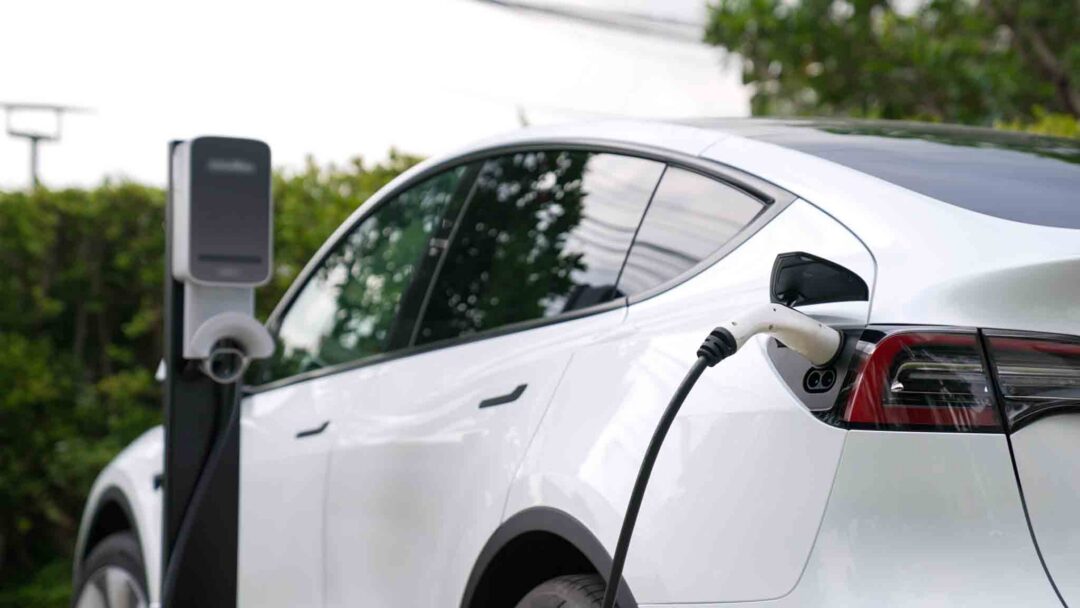
Critical Notice: The OZEV Grant Deadline
Unlike previous multi-year open allocations, the current funding window operates under strict quarterly budget caps. The final operational OZEV grant deadline for this financial cycle is set for March 31, 2027, or whenever the localised fund allocations are exhausted.
Furthermore, rumors regarding an imminent OZEV grant extension should not delay your enterprise’s plans; history shows that voucher values regularly taper down as national adoption milestones are cleared. Securing your authorisation early guarantees your funding rate before any future legislative changes adjust available capital for OZEV grants.
The OZEV Grant for Businesses & Workplaces
For commercial entities, financial incentives are substantial. The government recognises that workplace charging is a central pillar of nationwide EV infrastructure. Consequently, the OZEV workplace grant (officially administered as the Workplace Charging Scheme, or WCS) offers generous capital support to entities looking to electrify commercial fleets and accommodate employee vehicles.
OZEV Workplace Grant Criteria & Eligibility
The OZEV grant for businesses is structured to support enterprises of all sizes, from small startups to multi-site industrial groups. To satisfy the official OZEV grant criteria, applicants must fulfill the following:
Step 1: Entity Registration: Applicants must be a registered business, charity, or public sector organisation with a verifiable reference number (such as a Companies House registration).
Step 2: Dedicated Parking: The company must possess dedicated, off-street parking spaces suitable for charge point installation that are designated exclusively for staff or fleet use.
Step 3: Verified Need: The site must have a declared, clear need for EV charging infrastructure, either to support an existing electric fleet, accommodate staff who have transitioned to EVs, or prepare for imminent vehicle deliveries.
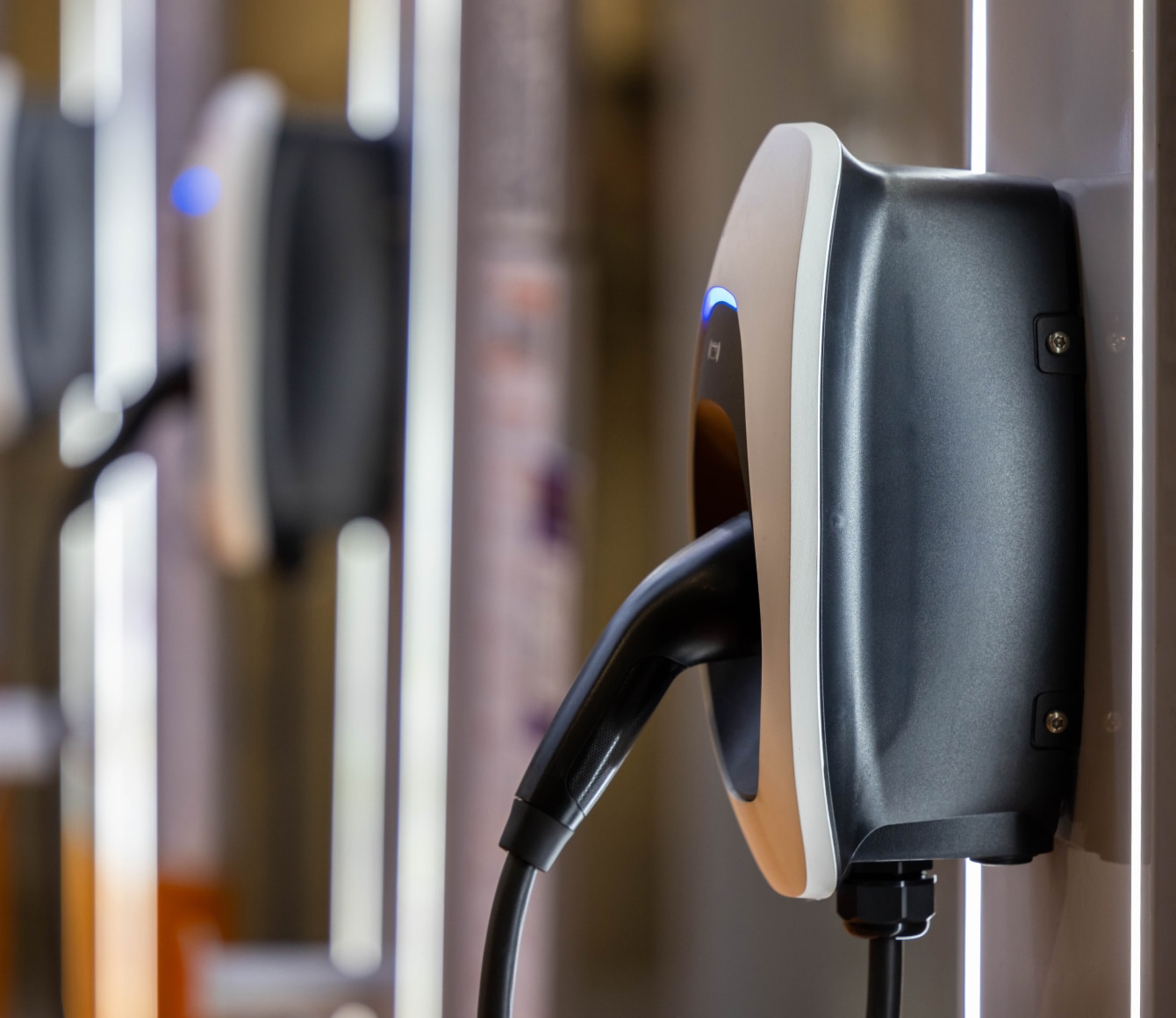
OZEV Workplace Grant At a Glance
Incentive Rate: Up to 75% of purchase and installation costs.
Per-Socket Cap: Maximum £350 per socket.
Maximum Sockets: Up to 40 sockets across a company’s real estate portfolio.
Max Total Grant: Up to £14,000 per business entity.
When meeting the OZEV EV charge point grant standards, businesses can claim vouchers covering up to 75% of eligible costs.
A single corporate entity can secure an OZEV government grant allocation for up to 40 sockets across its real estate portfolio, culminating in a maximum total savings of £14,000 (Gov.UK, 2026).
Navigating Installation Logistics & OZEV Grant Rules
Understanding the operational structure of the government OZEV grant scheme helps clarify how businesses can deploy hardware efficiently.
Because the OZEV grant scheme requires installations to be executed by approved technical specialists to secure funding, managing logistical deployment costs is a central consideration for any commercial rollout.
To optimise overall project value under the OZEV grant eligibility framework, commercial installations typically fall into two main delivery pathways:
Localised Single-Point Installations: For commercial operators seeking a solitary OZEV charger grant deployment without additional infrastructure changes, local regional installations allow businesses to access funding while keeping deployment overheads low.
Integrated Multi-Technology Deployments: For wider regional or multi-site commercial enterprises, securing an OZEV charging grant delivers the highest return on investment when combined with larger infrastructure upgrades. Integrating the OZEV grant alongside commercial solar PV arrays, Commercial Solar Battery Storage Systems, or electrical service upgrades optimises site engineering visits, streamlines grant administration, and creates a unified energy strategy.
Aligning your Workplace EV Charging Stations with broader site upgrades allows your business to maximise available funding under current OZEV grants while ensuring long-term operational efficiency.
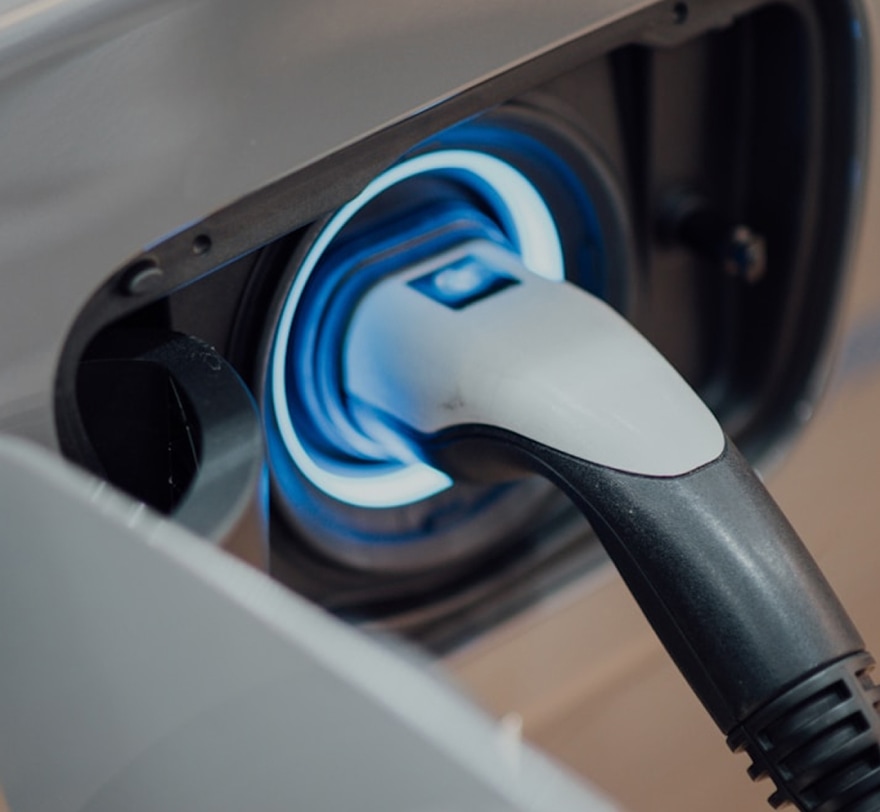
The Synergistic Power of Coupling Workplace EV Charging with Commercial Solar & Storage
Installing workplace EV chargers in isolation means your site remains fully dependent on the grid, exposing your business to volatile retail electricity pricing and high demand charges. Deep financial savings and true operational resilience are unlocked when you combine your workplace OZEV EV grant with commercial solar PV and energy storage.
When you couple commercial EV infrastructure with solar energy, you create a self-sustaining corporate energy ecosystem:
Zero-Cost Fleet Fueling: By routing surplus electricity generated by your commercial solar panels directly into your fleet or employee vehicles, you effectively run your transport network on self-generated energy. This slashes per-mile running costs and bypasses grid transmission losses entirely.
Smart Storage & Peak Shaving: High-power commercial EV chargers put significant instantaneous demands on a building’s power supply. Integrating a commercial battery storage system allows you to capture daytime solar generation and “shave” peak power draw, protecting your facility against expensive grid upgrade demands and peak tariff charges.
Cohesive System Integration: By leveraging the OZEV charging grant provisions during a comprehensive asset upgrade, installation businesses can engineer a cohesive system where your solar panels, commercial battery assets, and EV charge points communicate natively.
This strategic approach maximises your commercial eligibility under current grant rules, reduces localised installation overheads, and future-proofs your commercial real estate against fluctuating energy markets for decades to come.
Driving Towards a Greener Future
The 2026 provisions offer an exceptional pathway to offset infrastructure costs, but maximising OZEV grant eligibility requires a strategic, enterprise-wide approach.
Whether you are looking to secure a standard workplace voucher or scale up your fleet across multiple locations, the key lies in planning for an integrated energy infrastructure.
To understand how we can support full-scale business parks with commercial EV integration, visit our dedicated page here.
For information on how we can integrate an EV setup for healthcare sites, click here to learn more.
For retail parks, click here.
For hospitality venues click here.
And for public sector properties, click here for further details.
Contact our technical team today.
For further information regarding the updated EV grant, visit the official Government website by clicking here.