Energy Saving Tips for Businesses: Your Blueprint for Stability and Savings
In today’s volatile economic landscape, energy costs have moved from a simple overhead to a critical factor determining a business’s profitability and long-term viability.
For businesses, large or small, managing energy consumption is no longer optional; it is a strategic imperative. The challenge isn’t just about trimming expenses; it’s about future-proofing operations, enhancing sustainability credentials, and gaining a competitive edge.
At Geo Green Power, we understand that true energy efficiency is a journey that moves from immediate, low-cost behavioural changes to strategic, high-impact investments in renewable technology.
By adopting a comprehensive, phased approach, businesses can stabilise their budgets, reduce their carbon footprint, and ensure they are resilient against global energy market fluctuations.
This guide provides a multi-level strategy, moving from quick wins you can implement today to major capital projects that deliver maximum return on investment (ROI) over the next two decades.
1. The Foundation: Quick Wins and Behavioural Shifts
The easiest energy savings often come at the lowest cost: zero. By fostering a culture of energy consciousness and implementing basic operational controls, businesses can see an immediate drop in consumption.
a. Lighting and Appliance Discipline
Implement a strict “switch-off” policy in areas not currently in use, especially in large warehouses, meeting rooms, and office blocks during evenings and weekends. Assigning an “energy warden” in each department can help enforce compliance.
Furthermore, ensure that all office equipment, from monitors to printers, is configured to automatically enter low-power sleep mode after a short period of inactivity. Where possible, switch out older desktop computers for more energy-efficient laptops.
b. Optimise Thermostat Setpoints
Small changes in temperature settings lead to huge savings. The recommended heating setpoint for commercial buildings is typically 19-21°C. Lowering the thermostat by just one degree can reduce heating bills by up to 8%. Crucially, ensure heating systems are set on timers to switch off or significantly reduce output outside of core operating hours. Never rely on manual overrides.
c. Eliminate Phantom Loads
A phantom load, or “vampire power,” is the electricity consumed by devices when they are switched off but still plugged in. For manufacturing or industrial settings, this can be significant. Conduct an audit to identify equipment that can be safely switched off at the wall or master breaker when production shuts down. Simple smart power strips can automate this process in office environments.
Pure water boils in an electric kettle on the table in the kitchen
2. The Mid-Term Investment: Lighting and HVAC Upgrades
Once basic behaviours are controlled, the next focus should be on the two biggest energy consumers in most commercial buildings: lighting and heating, ventilation, and air conditioning (HVAC).
a. The LED Revolution
Replacing old fluorescent tubes and incandescent bulbs with LED lighting is one of the fastest and most reliable investments a business can make. LEDs consume up to 80% less energy than traditional lighting and have a lifespan measured in tens of thousands of hours, drastically reducing maintenance costs.
To maximise this investment, integrate them with smart control systems:
Occupancy Sensors: Install in low-traffic areas (storage rooms, restrooms, corridors) to ensure lights are only on when a person is present.
Daylight Harvesting: Use sensors that automatically dim or switch off artificial lights in zones that receive sufficient natural light.
b. HVAC Maintenance and Control
A poorly maintained HVAC system can waste 15-20% of its total energy output. Schedule regular maintenance to clean filters, check ducts for leaks, and ensure all components are running at peak efficiency.
For larger facilities, consider installing a Building Management System (BMS). This central dashboard allows facility managers to precisely control temperature, ventilation, and energy usage across different zones based on occupancy schedules, ensuring you only heat or cool what you need, when you need it.
3. The Strategic Leap: On-Site Generation and Electrification
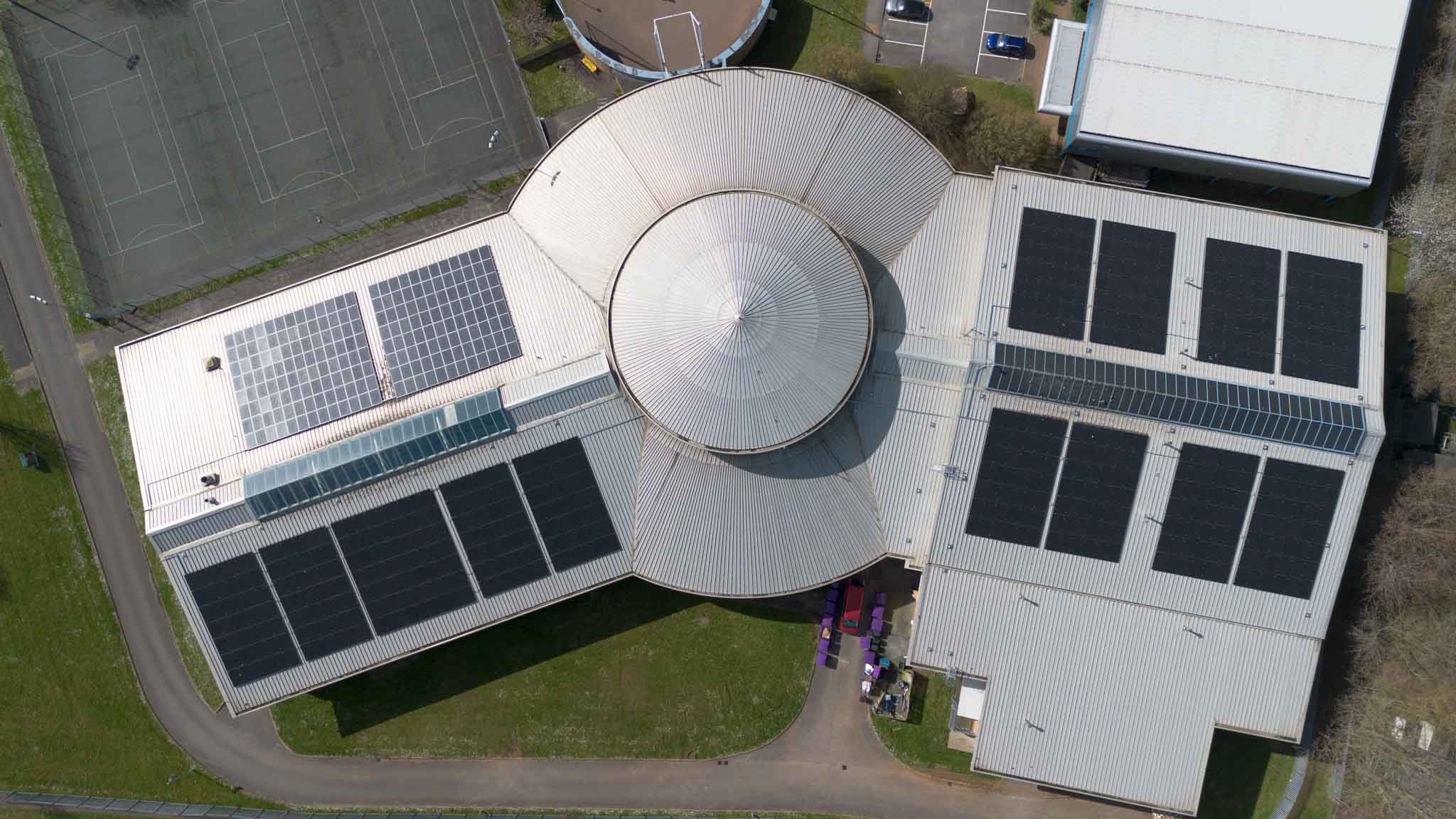
The most impactful and profitable path to energy savings is to transition away from expensive grid electricity and fossil fuels altogether. This involves strategic capital investments that Geo Green Power specialises in.
a. Powering Down Bills with Commercial Solar PV
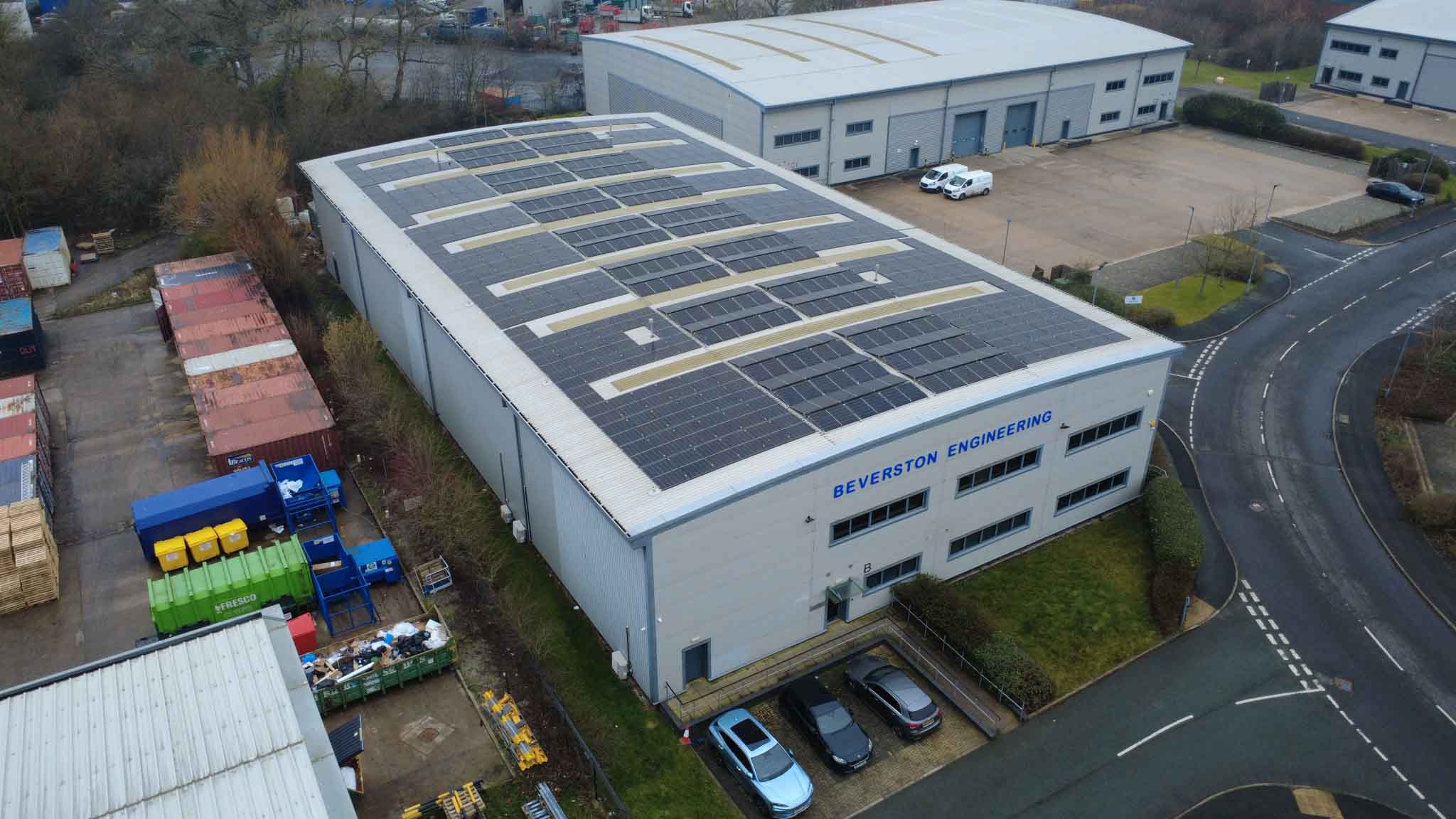
Installing commercial Solar Photovoltaic (PV) systems on unused rooftop space or ground-mounted arrays is the ultimate move toward energy independence. For a business with high, predictable daytime energy demand (factories, cold storage, offices), solar offers an exceptional ROI:
Low-Cost Power: Solar electricity is generated at a fraction of the cost of grid power, locking in your energy rate for the 25+ year lifespan of the panels.
Enhanced Financial Stability: By generating a significant portion of your own energy, you are immune to global market spikes, offering predictable operational costs.
Potential Revenue: Any excess power generated can be sold back to the grid, creating a valuable new income stream for the business.
b. Decarbonising Heating with Heat Pumps
Heating is often the single biggest cost component of a building’s energy use, especially if relying on gas or oil boilers. Installing a Commercial Air-Source or Ground-Source Heat Pump allows businesses to replace fossil fuel heating with a highly efficient electric system.
Heat pumps draw ambient heat from the air or ground and amplify it to heat the building. For every unit of electricity consumed, they typically produce 3 to 4 units of heat, making them dramatically more efficient than any conventional boiler. This shift, combined with solar power, creates a powerful closed-loop system for near-zero operational energy costs.
4. Continuous Improvement: Monitoring and Audits
Saving energy isn’t a one-time project; it’s a process of continuous improvement. The golden rule is that you cannot manage what you do not measure.
a. Implement Sub-Metering and Real-Time Monitoring
Install sub-meters to track energy consumption by department, production line, or specific high-load equipment. By visualising where and when energy is being used in real-time, businesses can quickly pinpoint areas of waste (e.g., equipment running overnight unnecessarily) and identify opportunities for optimisation. Monitoring systems translate raw data into actionable insights, helping to sustain savings over time.
b. Conduct Regular Energy Audits
Partner with specialists who analyse all aspects of your operation, from building fabric and insulation to process loads and machinery, to provide a clear, tailored roadmap of investments and their projected ROI. This moves the conversation beyond guessing to making data-driven decisions.
Investing in Your Future
For full-scale businesses, energy saving is a multifaceted discipline that delivers far more than just reduced utility bills. It secures operational stability, enhances brand reputation, and future-proofs the bottom line.
By starting with behavioural adjustments, implementing efficiency upgrades like LED lighting and smart HVAC controls, and then making the strategic leap to on-site generation with solar power, your business can transition from being an energy consumer to an energy producer.
Ready to take control of your costs and start your journey toward energy independence?
Contact Geo Green Power today to schedule your complimentary energy assessment and discover the solar solution engineered for your business.
For more information on Commercial Solar PV, visit our parent page.
For Commercial Solar Panel Repair Services for Businesses, visit our service page.