How Long Do Commercial Solar Panels Last? A Comprehensive Guide
For many businesses, the transition to renewable energy is no longer just a trend; it’s a strategic financial decision. When considering the switch, one of the most frequent questions we hear at Geo Green Power is: “How long do commercial solar panels actually last?”
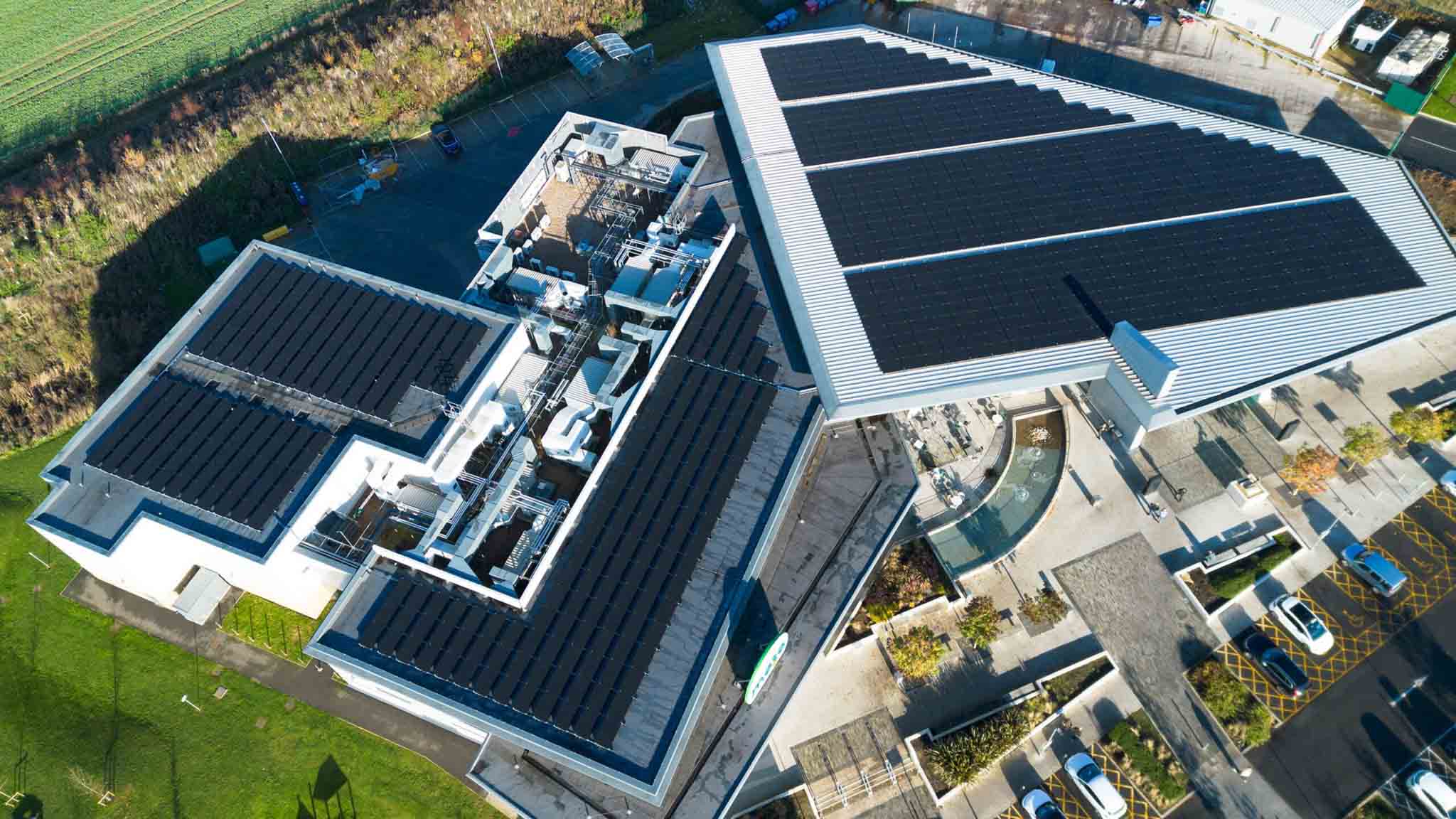
Investing in commercial solar represents a significant capital commitment. Understanding the longevity of your system is crucial for calculating your Return on Investment (ROI) and planning for your company’s long-term energy security. In this guide, we’ll explore the lifespan of commercial solar panels and the factors that influence their durability.
The Typical Lifespan of Commercial Solar Panels
Generally, commercial solar panels are designed to be incredibly durable, with an industry-standard expected lifespan of 25 to 30 years.
However, it’s a common misconception that solar panels simply “stop working” once they hit their 30th birthday. In reality, solar technology doesn’t have a definitive “end date” like a mechanical engine might. Instead, panels undergo a process called degradation. Over several decades, the amount of electricity a panel produces will slowly decrease. Most high-quality panels are warrantied to still produce at least 80% to 85% of their original power output after 25 years.
With proper care and maintenance, many commercial systems installed by expert commercial solar installers can continue generating clean, usable energy for 35 years or more.
Factors That Influence Longevity
While the technology is built to last, several variables can impact how quickly your panels degrade:
Quality of Hardware: Not all panels are created equal. Tier 1 manufacturers use superior silicon and robust framing that resist the elements better than budget alternatives.
Environmental Conditions: Panels in the UK are built to withstand rain, wind, and snow. However, extreme heat can actually accelerate degradation more than cold.
Installation Standards: This is where choosing the right commercial solar installers becomes vital. Poorly mounted panels can suffer from “micro-cracks” due to physical stress, or water ingress if the cabling isn’t managed correctly.
Maintenance: While solar is “low maintenance,” it isn’t “no maintenance.” Regular cleaning and annual electrical health checks ensure the system doesn’t overwork itself or suffer from minor faults that lead to long-term damage.
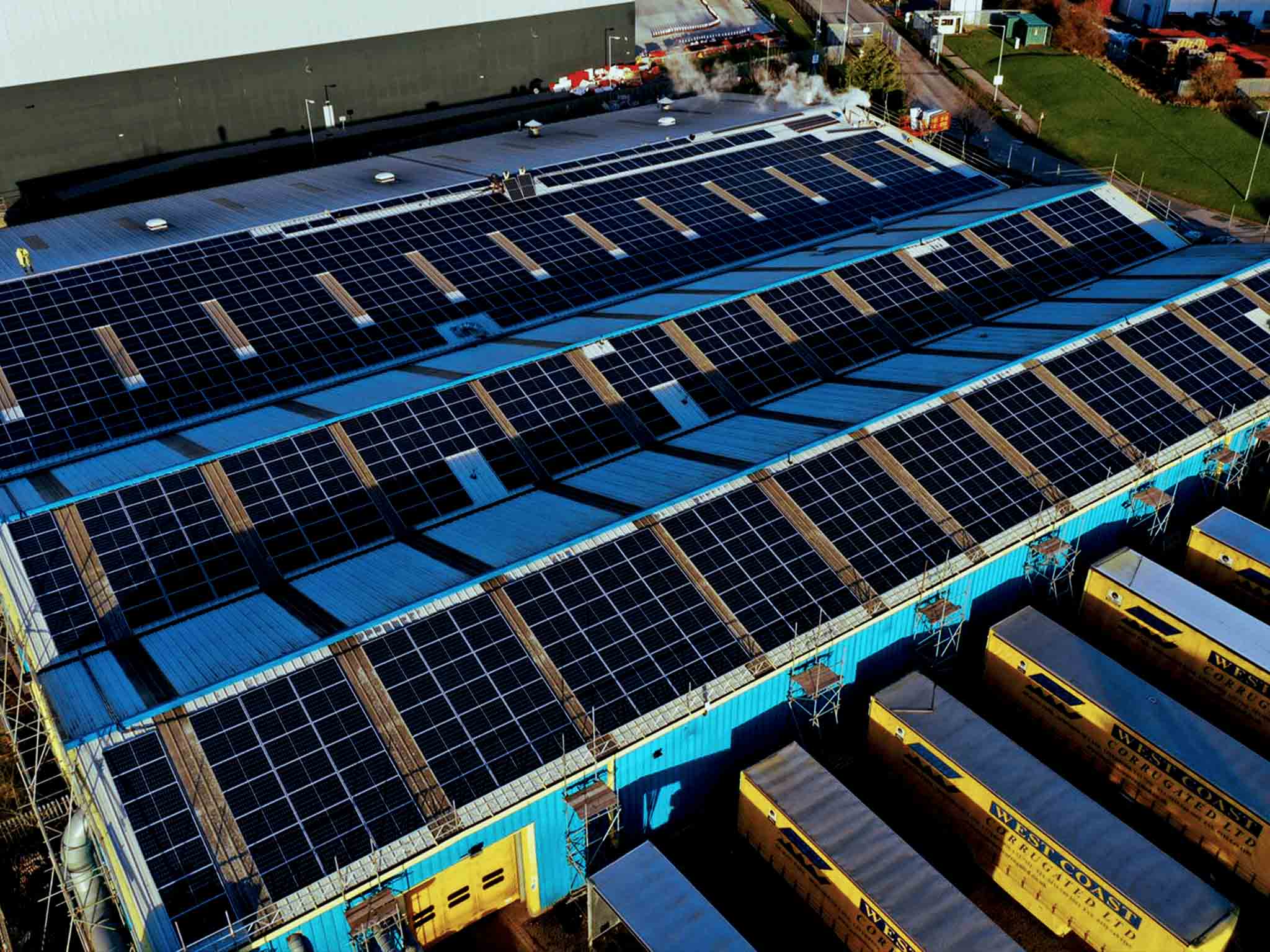
Sectors Benefiting from Commercial Solar
Each sector has unique energy profiles, but all benefit from the long-term reliability of solar power.
Agriculture and Farming
Farms often have expansive roof spaces on barns and processing units. Solar allows agricultural businesses to hedge against rising energy costs, which is critical for high-consumption activities like grain drying or refrigerated storage.
Manufacturing and Industrial
Factories often run high-energy machinery during daylight hours, perfectly aligning with peak solar generation. By installing commercial solar panels, manufacturers can significantly lower their “Scope 2” emissions and improve their green credentials for global supply chains.
Warehousing and Logistics
Large distribution centres are ideal for solar. With vast roof areas and the increasing shift toward Electric Vehicle (EV) delivery fleets, solar provides the infrastructure needed to charge vehicles using self-generated power.
Education and Public Sector
Schools, universities, and hospitals are increasingly turning to solar to redirect funds from utility bills back into frontline services.
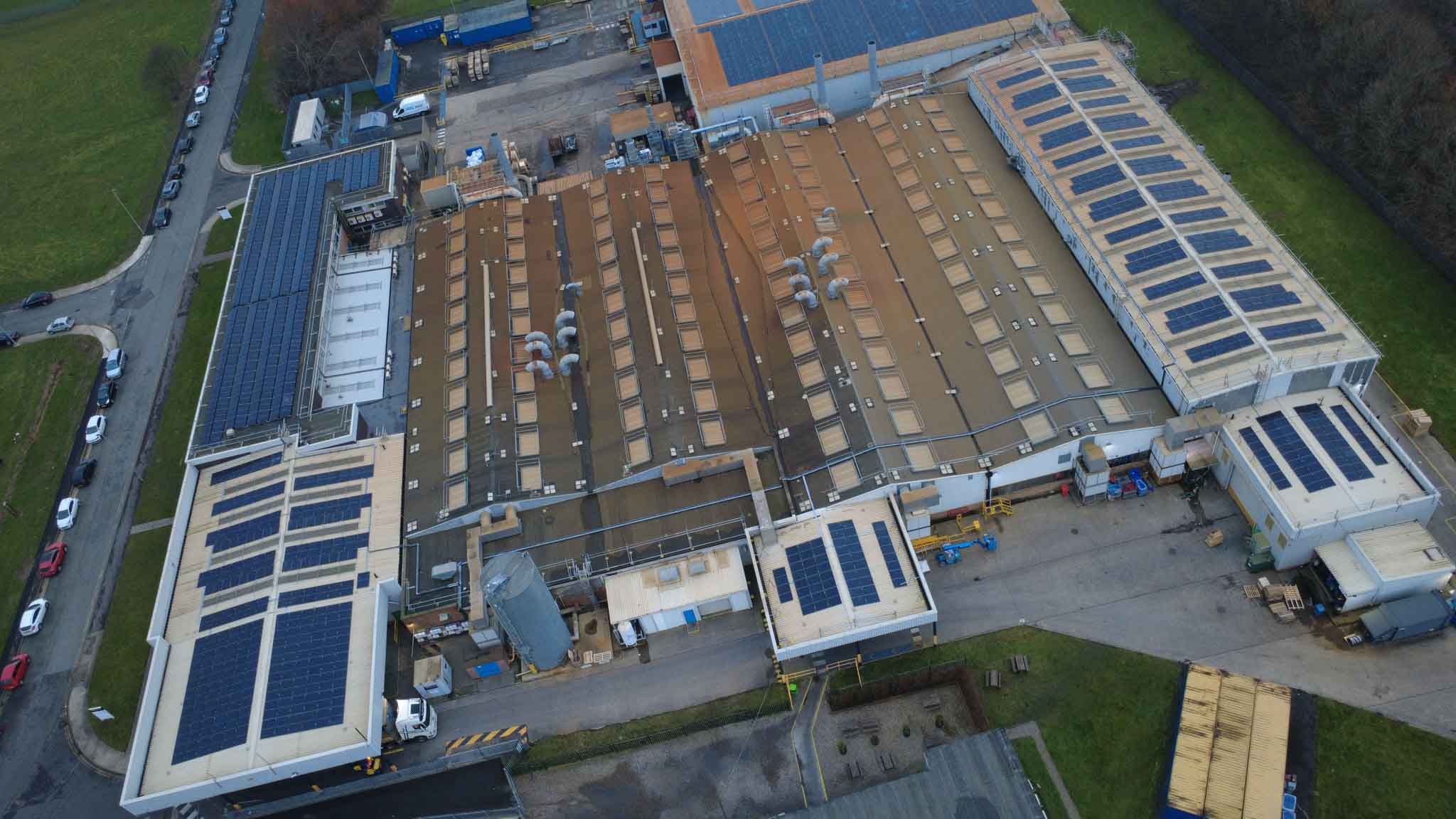
Case Study: High-Performance Solar for Industry
A standout example of our work in the commercial sector is the installation for Fluke, an electronics manufacturing leader. They required a robust energy solution that could support their intensive manufacturing processes while meeting strict sustainability targets.
Geo Green Power designed and installed a 480kWp solar PV system for their facility.
Annual Output: Approximately 380,000kWh of green energy.
Carbon Impact: A reduction of 95 tonnes of CO2 every year.
Because we used Tier 1 components and a bespoke mounting solution, Fluke’s system is projected to deliver high yields well into the 2050s. This installation highlights how commercial solar provides not just an immediate saving, but a multi-decade asset that protects a business from energy market volatility.
Maximising Your Investment
To ensure your commercial solar installation reaches its maximum potential, we recommend:
Professional Monitoring: Use smart software to track performance in real-time.
Regular Servicing: An annual check-up by a qualified engineer can catch minor issues before they impact the system’s life.
Inverter Replacement: While panels last 30 years, inverters typically need replacing around the 20-year mark. Planning for this ensures no downtime in your energy production.
The World of Commercial Solar
Commercial solar panels are a “marathon” technology, not a sprint.
With a lifespan exceeding a quarter of a century, they offer one of the most stable and predictable returns of any commercial asset.
Visit our commercial solar page for more details.
For more information on how you can ensure your system lasts longer, visit our maintenance and servicing page.
Contact Geo Green Power today for a free feasibility study and see how much your business can save over the next 30 years.