9 Things Your Insurance Company Needs to Know About Commercial Solar
As commercial solar adoption accelerates across the UK, business owners, property managers, and Mechanical & Electrical (M&E) contractors face a crucial step during the planning phase: informing their commercial property insurer.
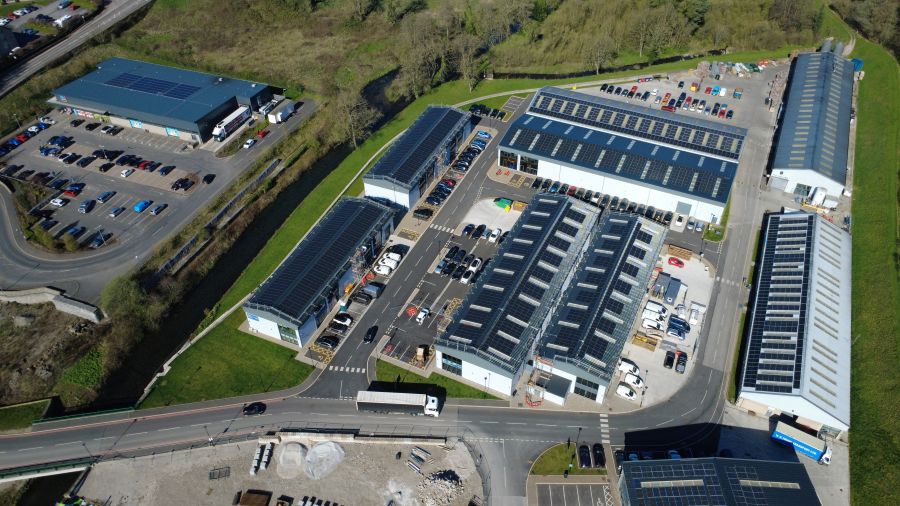
Installing solar panels for businesses, whether on an enterprise headquarters, an industrial unit, or across full-scale business parks, introduces new physical assets, electrical considerations, and operational dynamics. Insurers are supportive of renewable energy upgrades, but they require technical transparency to assess liability, adjust building coverage, and ensure safety standards are met.
Here are nine critical details your insurance provider needs to know before, during, and after a commercial solar installation.
1. The Installation Type and Structural Roof Load
Insurers first need to understand where and how the solar PV system will be mounted.
Roof-mounted systems are the most common commercial choice, but building insurers must verify that the structural integrity of the roof can accommodate the additional weight (dead load) as well as wind and snow forces (live load).
When presenting details to insurers or underwriters:
- Provide structural engineering reports showing weight distribution.
- Clarify whether the system is ballast-mounted (common on flat roofs) or mechanically fixed (penetrating pitched roofs).
- Specify roof membrane materials and age to assure underwriters that waterproofing integrity remains intact.
2. Comprehensive Installer Accreditations and Standards
Insurance providers pay close attention to who installs the technology. Using certified contractors significantly reduces risk profiles and helps maintain standard policy terms.
Underwriters typically require confirmation that installers hold relevant certifications, such as MCS (Microgeneration Certification Scheme) or NICEIC registration, and adhere to IET Wiring Regulations (BS 7671).
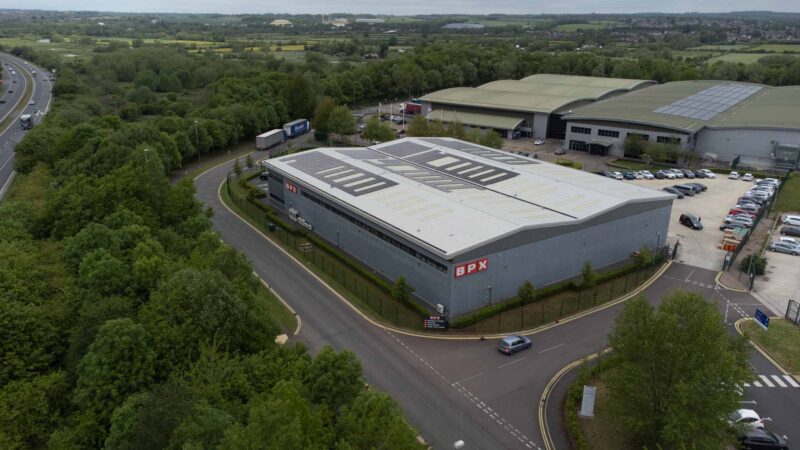
For M&E contractors involved in larger commercial builds, documenting compliance with standard fire safety and electrical installation codes is essential during the handover package.
3. Fire Safety Protocols and Isolation Shut-offs
Fire risk management is paramount for commercial underwriters.
While solar PV systems are inherently safe when correctly engineered, insurers want to know what mitigation measures are integrated into the design.
Key details to highlight for your provider include:
- Rapid Shutdown Systems & DC Isolators: Emergency mechanisms that drop direct current (DC) voltages to safe levels quickly.
- Inverter Placement: Whether inverters are housed externally, in dedicated plant rooms, or on the roof.
- Fire Service Access: Clear pathway layouts left on roof surfaces to allow safe access for fire services if needed.
4. Which Insurance Policies Cover Solar Panels
A frequent query among commercial building owners is understanding exactly what insurance companies cover solar panels under.
Commercial solar installations generally fall under standard Buildings Insurance, as they become fixed structural additions to the property.
However, business owners and property managers should confirm whether the existing building sum insured needs to be increased to reflect the replacement value of the solar PV system.
Furthermore, it is important to clarify whether equipment breakdown, operational disruption, or theft/vandalism fall under the primary property policy or require a specific engineering or renewable energy endorsement.
5. Theft, Vandalism, and Physical Security Measures
Ground-mounted arrays or low-profile roof installations within accessible commercial sites present a potential theft or vandalism risk.
Specialised solar panel insurance companies and general commercial insurers will evaluate the site’s physical security before finalising terms.
Insurers will look for security controls such as:
- Perimeter fencing around ground-mounted arrays or accessible commercial buildings.
- Perimeter CCTV, anti-climb measures, or motion-activated lighting.
- Anti-theft hardware, such as security bolts or frame locking mechanisms on panels.
6. Metering, Grid Connection, and Power Distribution Setup
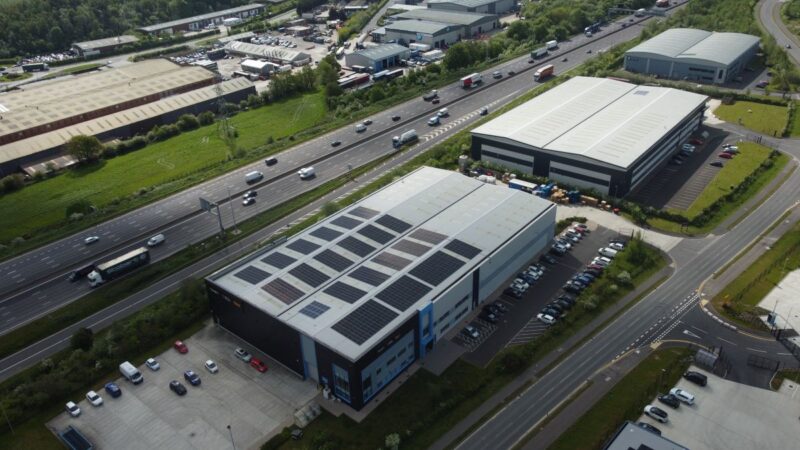
Insurers need to understand how the generated power flows. Is the system purely designed for self-consumption on-site, or is there an export agreement in place to feed excess power back into the National Grid?
Providing details about the Distribution Network Operator (DNO) approval (such as G99/G100 grid connection agreements in the UK) reassures insurers that the system complies with grid safety standards and will not overload existing electrical infrastructure.
For further information, read our latest article explaining G99 & G100 for a deeper dive.
7. Battery Energy Storage Systems (BESS)
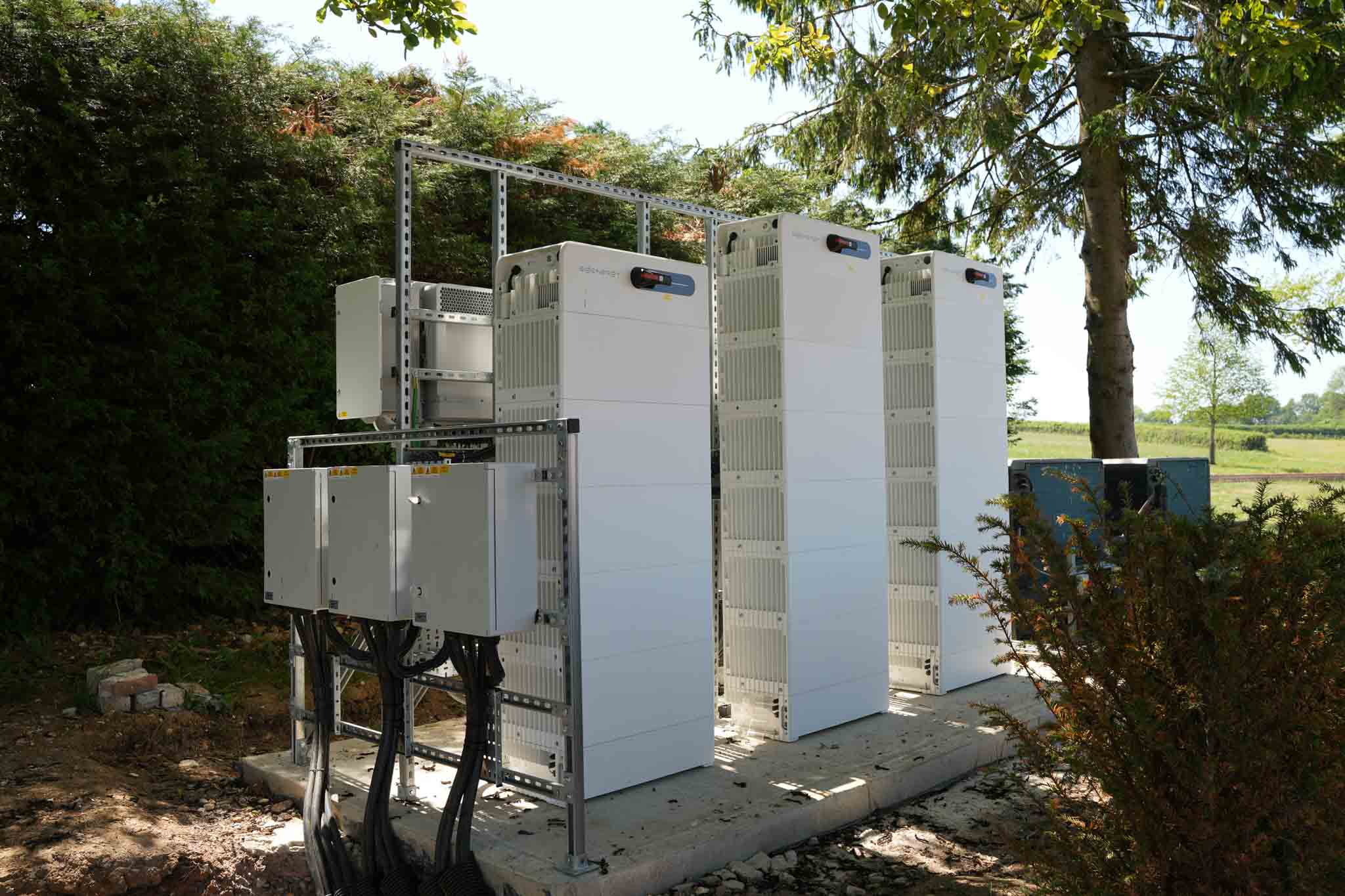
Many modern installations of solar panels for business parks and individual commercial buildings pair PV modules with battery storage to maximise energy independence.
If battery storage is included in the installation design, insurers require specific details due to thermal management risks:
- Battery chemistry (e.g., Lithium Iron Phosphate vs. traditional Lithium-ion).
- Physical location (preferably fire-rated, well-ventilated dedicated plant spaces or external enclosures).
- Thermal runaway suppression systems and automatic fire detection integration.
For more information regarding solar batteries for commercial use, visit our parent page.
8. Impact on Business Interruption Coverage
Physical damage to a roof or building structure is only one aspect of risk. Property managers and commercial tenants must also consider operational downtime.
If a catastrophic event damages the solar system, or if an issue with the system damages the underlying building, how does this impact daily business operations?
Ensure your policy covers loss of generation income (if selling energy back to the grid or tenants) as well as general business interruption if an electrical issue forces a temporary site shutdown.
9. Scheduled Operations and Maintenance (O&M) Plans
Insurers favour proactive risk management. Demonstrating that your business or facility management team has an ongoing maintenance protocol in place can help keep premiums competitive.
A complete handover package for insurers should outline:
- Routine inspection schedules for thermal imaging (to detect hot spots or faulty connections).
- Scheduled cleaning and physical panel checks.
- Annual electrical safety testing by qualified M&E technicians.
For more information on commercial solar maintenance, visit our parent page.
Key Takeaway for Property Managers and Contractors
Informing your commercial insurance company about a solar PV installation is not a roadblock; it is a proactive step toward protecting a high-value asset.
By engaging underwriters early in the design stage, providing full technical documentation, and working alongside certified installers, business owners can ensure seamless coverage and uninterrupted operational peace of mind.
Contact Geo Green Power today for expert renewable energy integration advice.