How Solar Power Helps Clean Up the UK’s Tech Footprint
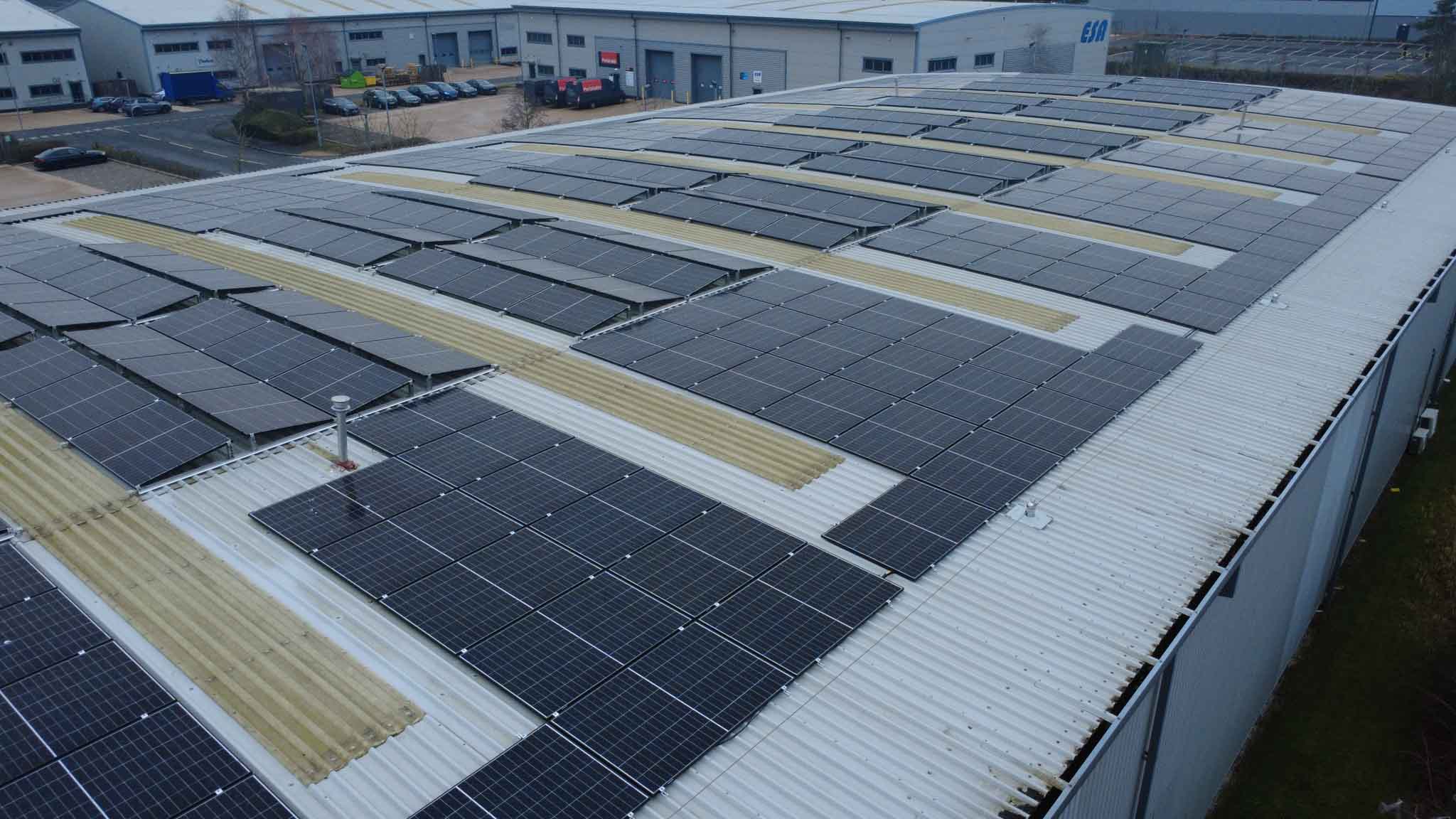
The United Kingdom’s digital revolution is happening at a staggering pace. Driven by cloud computing, streaming services, and the explosive rise of Artificial Intelligence (AI), data centres have quietly become the backbone of our modern economy.
Yet, this invisible infrastructure has a very visible appetite for electricity. Currently, data centres consume approximately 2.5% to 2.7% of the UK’s entire national grid supply, and that figure is projected to rise fourfold to over 10% to 11% by 2030 (Adam Clarke, House of Commons Library, 2026).
This massive expansion has placed data centres in the crosshairs of environmental groups, regulatory bodies, and the public. Across the nation, controversy is brewing.
Concerns around grid capacity constraints, carbon emissions, and resource-intensive cooling solutions have put immense pressure on data centre operators. As corporate clients demand cleaner, more auditable supply chains, the industry faces an existential challenge: how to scale infrastructure responsibly while meeting stringent net-zero commitments.
The solution lies directly above our heads. By choosing to power data centres with solar energy, managers can actively de-risk their operations, satisfy regulatory demands, and secure a predictable return on investment.
The Data Centre Dilemma: Rising Demand vs. Net-Zero Mandates
Modern data centres operate 24 hours a day, 365 days a year. Their power demands are exceptionally dense and constant, characterised by steady IT baseloads and massive cooling systems. Historically, operators have turned to off-site Power Purchase Agreements (PPAs) or renewable energy certificates (REGOs) to claim green credentials. However, these methods are facing intense scrutiny.
Authorities and corporate tenants alike are questioning the “additionality” of virtual PPAs, asking whether these contracts actually build new clean energy or simply rebadge existing grid power.
At the same time, the regulatory landscape in the UK has tightened significantly. Following recent reforms, the government now expects data centres to actively demonstrate tangible, physical steps toward reducing their environmental footprint. Key frameworks and regulations impacting the sector today include:
UK Sustainability Reporting Standards (SRS S1 & S2): Integrated into annual financial reports, these standards require strict disclosures regarding Scope 1, 2, and investors are looking at these metrics with the same legal weight as financial statements.
Critical National Infrastructure (CNI) Classification: Under the UK’s Cyber Security and Resilience Bill, data facilities with a capacity exceeding 1MW are classified as Critical National Infrastructure, subjecting them to higher governance and operational scrutiny, including resource stewardship.
Climate Change Agreements (CCA): Administered via techUK, this scheme offers data centres up to a 92% reduction in the Climate Change Levy (CCL) on electricity. However, eligibility is contingent on meeting aggressive, verified energy-efficiency targets.
A Realistic Outlook on Solar Power: While commercial solar PV is a highly reliable source of zero-carbon generation, it is crucial to remain pragmatic. Solar energy cannot guarantee a 100% reliable 24/7 power backup on its own. Instead, it works in tandem with existing battery storage, uninterruptible power supplies (UPS), and grid connections to provide a hybrid, highly secure power architecture.
Operational Impact: With Solar vs. Without Solar
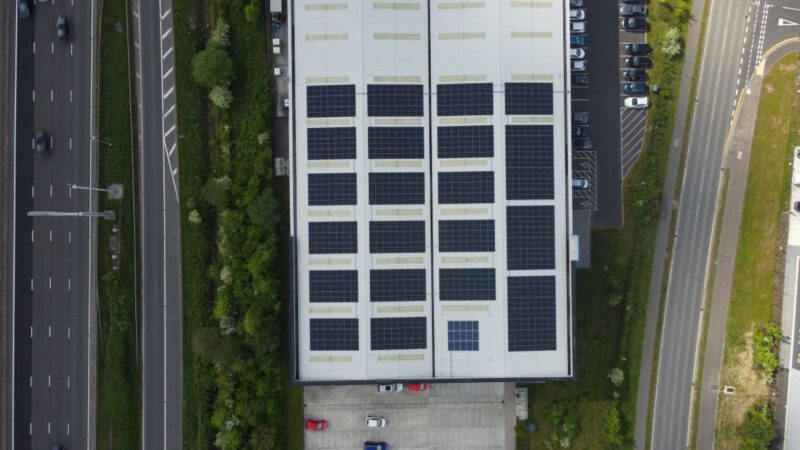
To understand how solar for data centres reshapes operational profiles, we can compare two identical 2MW-capacity facilities operating under the same UK grid constraints:
| Operational Metric | Facility A: Standard Grid-Only Data Centre | Facility B: Solar-Integrated Data Centre (500kWp Array) |
|---|---|---|
| Primary Power Source | 100% UK Grid (subject to market volatility & carbon fluctuations) | Hybrid: Grid and On-site Solar PV Generation |
| Grid Congestion Exposure | High: Completely dependent on grid availability during peak demand | Reduced: Local solar offsets peak day-time demand (e.g., peak cooling periods) |
| Scope 2 Carbon Emissions | Variable, tracking the fluctuating carbon intensity of national grid | Directly reduced by up to 205 tonnes of CO_2 per year via clean, on-site generation |
| Climate Change Levy (CCL) Relief | Challenged to meet efficiency metrics without physical additionality | Enhanced compliance pathway for CCA-techUK benchmarks, securing levy relief |
| Long-term Energy Cost Security | None: Fully exposed to retail power tariffs and network charges | Guaranteed 25+ year supply of self-generated electricity at 0p/kWh |
| Brand and Investor Appeal | Weakened by "greenwashing" concerns of unbundled green certificates | Exceptional: Concrete proof of on-site additionality and ESG-ready metered data |
Unlocking the Financial Case: ROI and Energy Security
Integrating commercial solar is no longer just a defensive CSR gesture; it is an aggressive financial strategy.
Data centres present a perfect technical fit for solar PV because of their continuous baseload. Unlike other commercial facilities that export surplus solar power back to the grid during weekends, a data centre’s self-consumption ratio is typically close to 100%. Every single kilowatt-hour (kWh) generated by an on-site array is immediately consumed by servers or cooling chillers, ensuring maximum economic utility.
Consider the financial math: with commercial electricity prices representing a major chunk of operational expenditure, installing a 500 kWp solar PV system typically yields a payback period of under 6 years. With solar modules warrantied to perform for 25 to 30 years, data centres lock in nearly a quarter-century of free, self-generated electricity, providing a powerful hedge against retail tariff volatility.
Furthermore, on-site solar enhances physical energy security. By generating power directly on-site, facilities can shave off peak demand burdens from local distribution networks. During hot summer days when server cooling systems run at maximum capacity, solar generation naturally peaks in tandem, absorbing the exact load spikes that would otherwise strain grid connections or trigger expensive standby diesel generator runs.
Government Funding & Tax Incentives
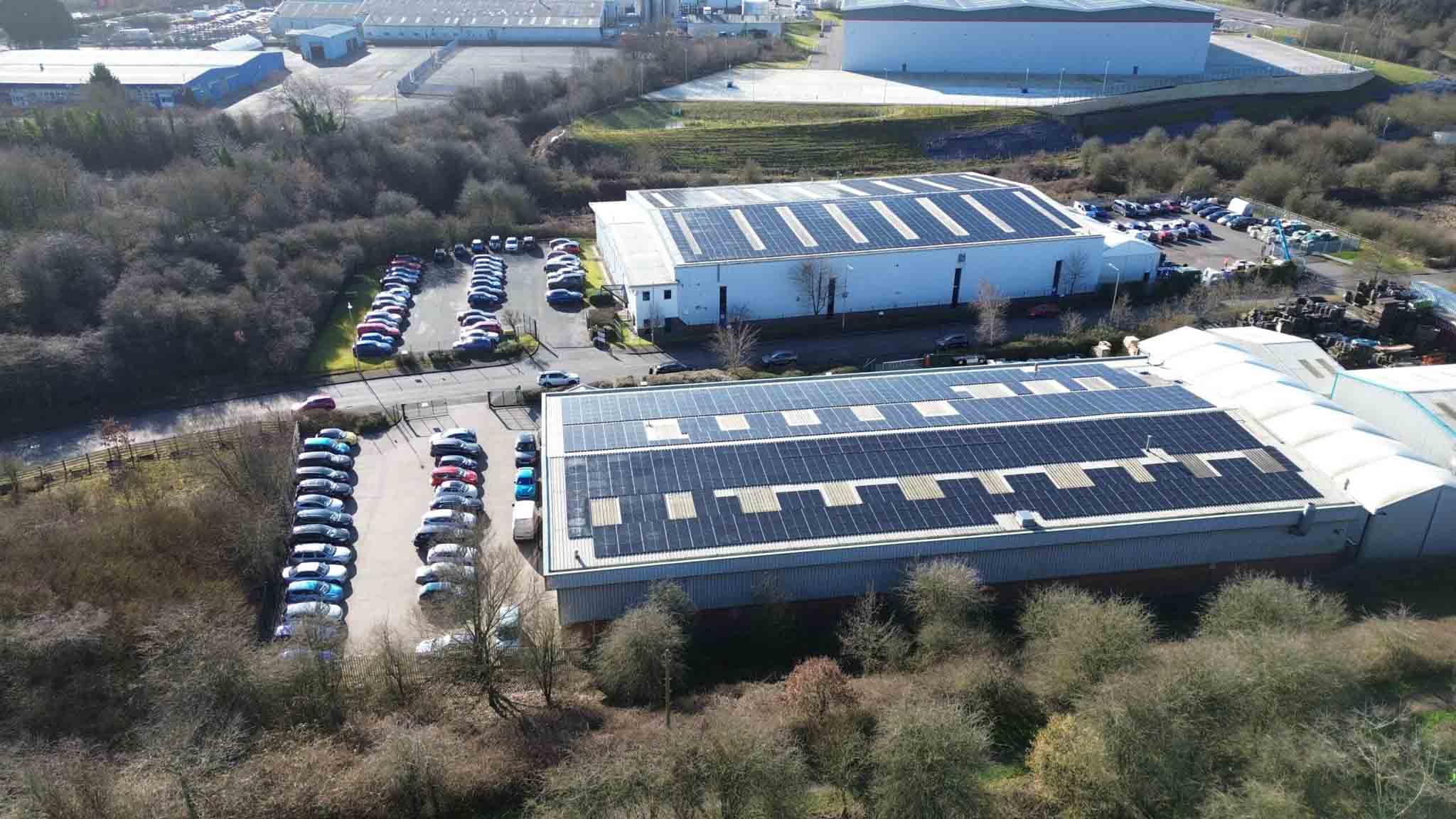
To support the digital transition and accelerate industrial decarbonisation, the UK government provides robust financial incentives that drastically reduce the initial capital expenditure of solar installations:
Annual Investment Allowance (AIA): This is the most significant tax relief tool for UK businesses. The AIA allows companies to deduct 100% of the cost of qualifying plant and machinery, including commercial solar installations, from their taxable profits in the very first year, up to a limit of £1 million. This effectively lowers the net project cost by up to 25% for profitable UK limited companies.
Industrial Energy Transformation Fund (IETF): Designed for heavy energy consumers and ESOS-obligated businesses, the IETF provides direct capital grants covering 30% to 55% of the cost of decarbonisation technologies. Large-scale data centres looking to deploy innovative energy solutions often qualify for these highly competitive grants.
Business Rates Exemptions: Under current valuation guidelines, eligible green technologies like solar PV and battery storage do not trigger an increase in the rateable value of the commercial property, preventing an unexpected hike in business rates.
The Path Forward with Geo Green Power
As digital infrastructure continues to expand, the controversy surrounding data centre energy consumption will only intensify. Shifting from passive, paper-based green contracts to physical, visible, and auditable on-site generation is the most powerful move a facility manager can make. It demonstrates a commitment to true “additionality,” mitigates grid risk, achieves compliance under new UK SRS S1 & S2 disclosure rules, and delivers undeniable financial returns.
At Geo Green Power, we specialise in designing, engineering, and deploying high-output commercial solar solutions tailored to the complex, high-resilience environments of UK data centres. From engineering structural roof loads to integrating advanced battery storage systems, we help you transition your facility into a modern, sustainable powerhouse.
Visit our dedicated Data Centre page for further details.
Contact Geo Green Power today to discover how commercial solar can clean up your tech footprint and future-proof your bottom line.
Ref:
Chrome-extension://efaidnbmnnnibpcajpcglclefindmkaj/https://researchbriefings.files.parliament.uk/documents/CBP-10315/CBP-10315.pdf (Adam Clarke, House of Commons Library, 2026).
https://www.techuk.org/resource/climate-change-agreements-cca-for-data-centres.html (techUK, 2023).