How to Save Money on Your Winter Bills
Wondering how to save on your energy bills this winter? Our guide includes some top advice and expertise on how to bring your utility costs down.
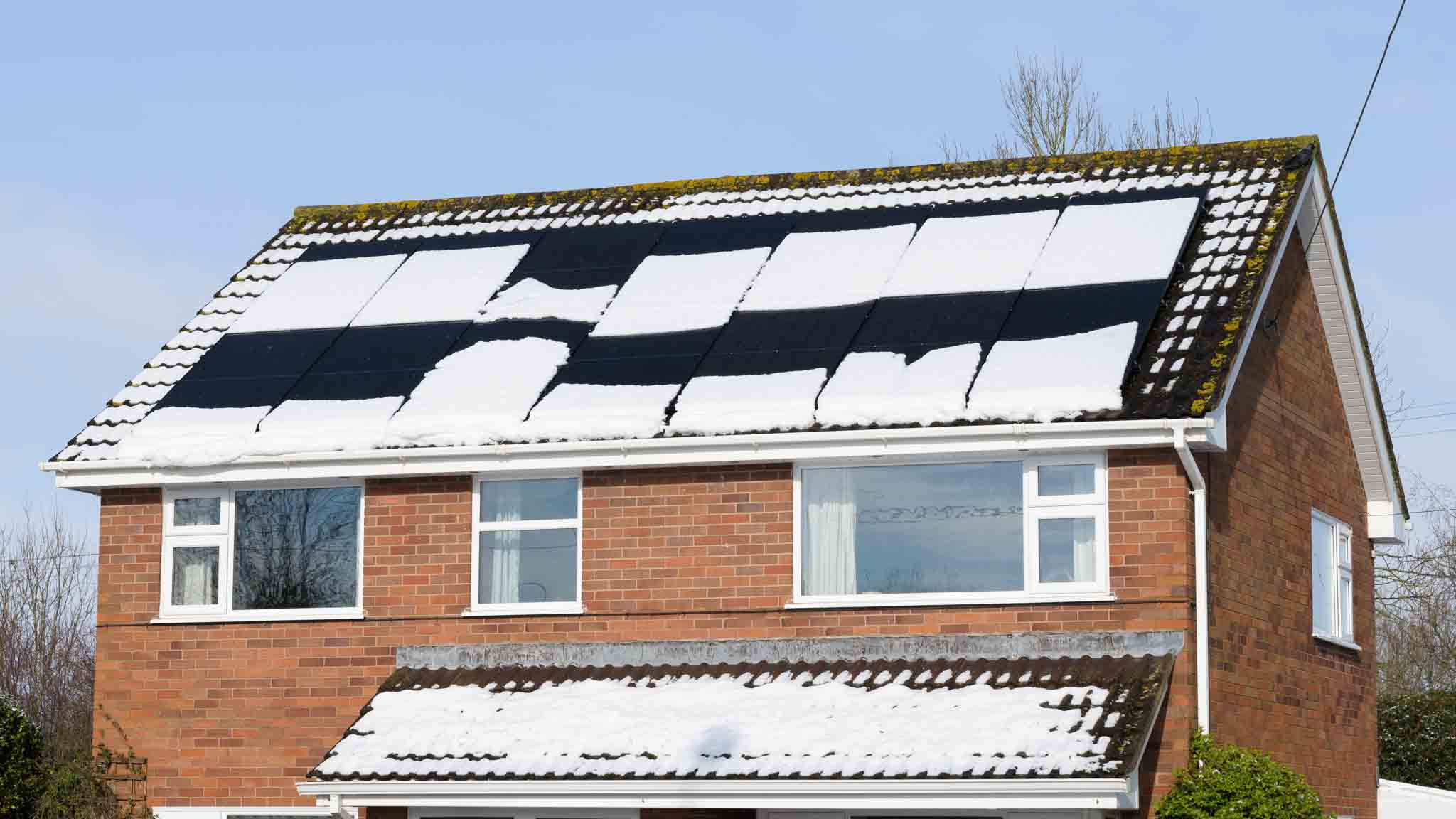
Our gas, electric, and water bills can be a significant expense for many UK homes and businesses, particularly during the colder, darker winter months, when our usage increases. However, there are steps you can take that can help bring your costs on these key utilities down, some of which can even benefit you significantly in the long run after winter releases us from its icy grip.
So, from little lifestyle changes through to equipping your property with innovative solar panels, the experts here at Geo Green Power have put together this guide to tell you what you need to know.
We’ve gone through each utility, first explaining what can be a drain on our energy during winter, before explaining what you can do to save on your monthly bills.
Heating bills
When the temperature drops, the unmistakable click of the thermostat can be heard across commercial and residential buildings alike, as gas-powered boilers kick into life to provide us with heating. However, as we’ve seen in recent years, gas prices have been at record highs, and the gas bills of millions have shot up during winter.
Some typical winter heating costs
Under the current energy price cap (October 2023) set by the UK regulator, Ofgem, the cost of one kWh of gas is 7p. Although this isn’t as high as it was last year, it’s still at one of the highest levels in the last decade.
Naturally, how much gas you use for your heating also depends on the size of your property, how well insulated it is, and the output, age, and efficiency of your boiler. But, a general rule of thumb for boiler-to-property-size can be as follows:
- A small-sized property might use a 15kWh boiler
- A medium-sized property might use a 24kWh boiler
- A larger property might use a 30kWh boiler
- A very large domestic property might use a 35kWh boiler
So, in terms of a rough, estimated cost for mains gas on the current price cap, here’s how using each of these boilers for four hours a day could look in a typical household or business over three winter months (90 days):
- A 15kWh boiler would cost £4.20 to run for four hours, so that’s £378 when used every day for this amount of time across 90 days
- A 24kWh boiler works out at £6.20 for four hours and that’s £558 over 90 days
- A 30KWh boiler would be £8.40 for four hours, which is £756 over 90 days
- A 35kWh boiler is £9.80 for four hours, working out at £882 over 90 days
We should also point out that these estimated prices don’t include the daily standing charge of 30p, which over three months (90 days) works out at an additional £27.
How to cut your winter heating bills
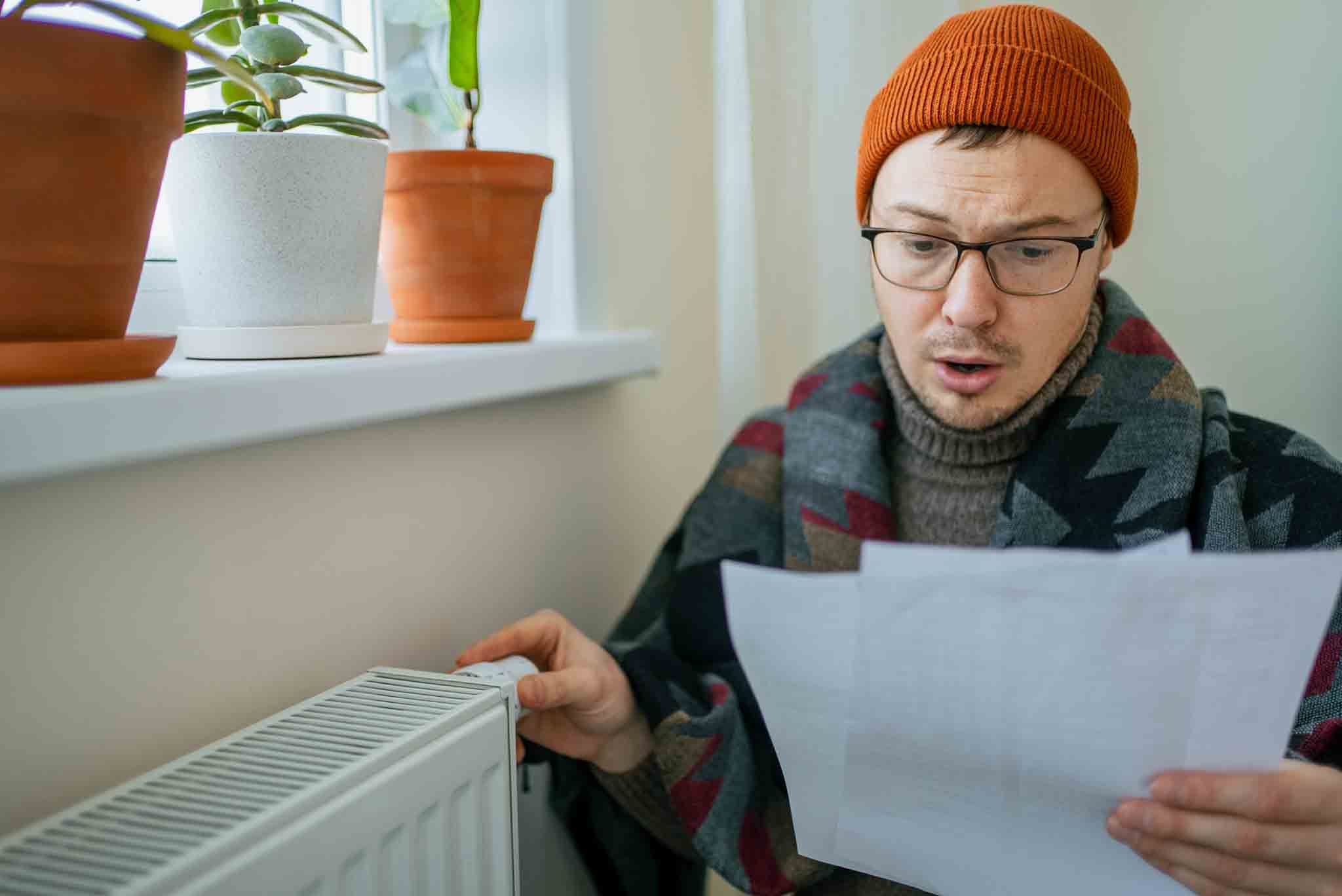
What you shouldn’t do is simply stop using all your electrical devices and systems! As in the grand scheme of things, it’s important to live our lives and enjoy the benefits we can get from them. Besides, who doesn’t love a good TV binge now and then?
Instead, you can make little lifestyle changes to reduce your consumption one step at a time. Here are some examples:
- Switch appliances off at the wall when not in use; if they have a standby mode, they’ll still be using electricity. Simply turning off a standard TV and set-top box can save around 68p over three months
- Run or switch your devices and appliances to ‘eco’ or ‘energy-saving’ modes if they have them; for example, some Bosch washing machines’ ‘Eco’ settings can be £35 cheaper to run each quarter
- Wait for the sales and invest in newer, more efficient appliances
- Turn all lights off when you leave a room
- Replace standard light bulbs with low-energy bulbs – LED bulbs can save you upwards of £5 a year
- Contact your energy provider to get a free Smart Meter, as you can use this to monitor and see how much energy you are using in real time
- Be on the right tariff at the right time
Right now (November 2023), the cheapest energy rates you can get from most providers are the ones on the price cap. However, some suppliers offer ‘dual rate tariffs’ where gas and/or electricity are priced differently at certain hours during the day or on weekends. So here’s what you can do:
- Assess the energy markets and comparison sites to find one of these deals and move to that supplier
- Contact your existing provider to see if they offer such tariffs and enquire about moving onto one, on the basis that this will be cheaper for you
- Set up timer switches on high-usage appliances (e.g., washing machines and dryers) to run during these off-peak periods
If your chosen supplier doesn’t have a dual rate tariff, you should at least see if they have any dual fuel options, as moving both gas and electricity to one supplier can work out cheaper.
Consider getting solar panels
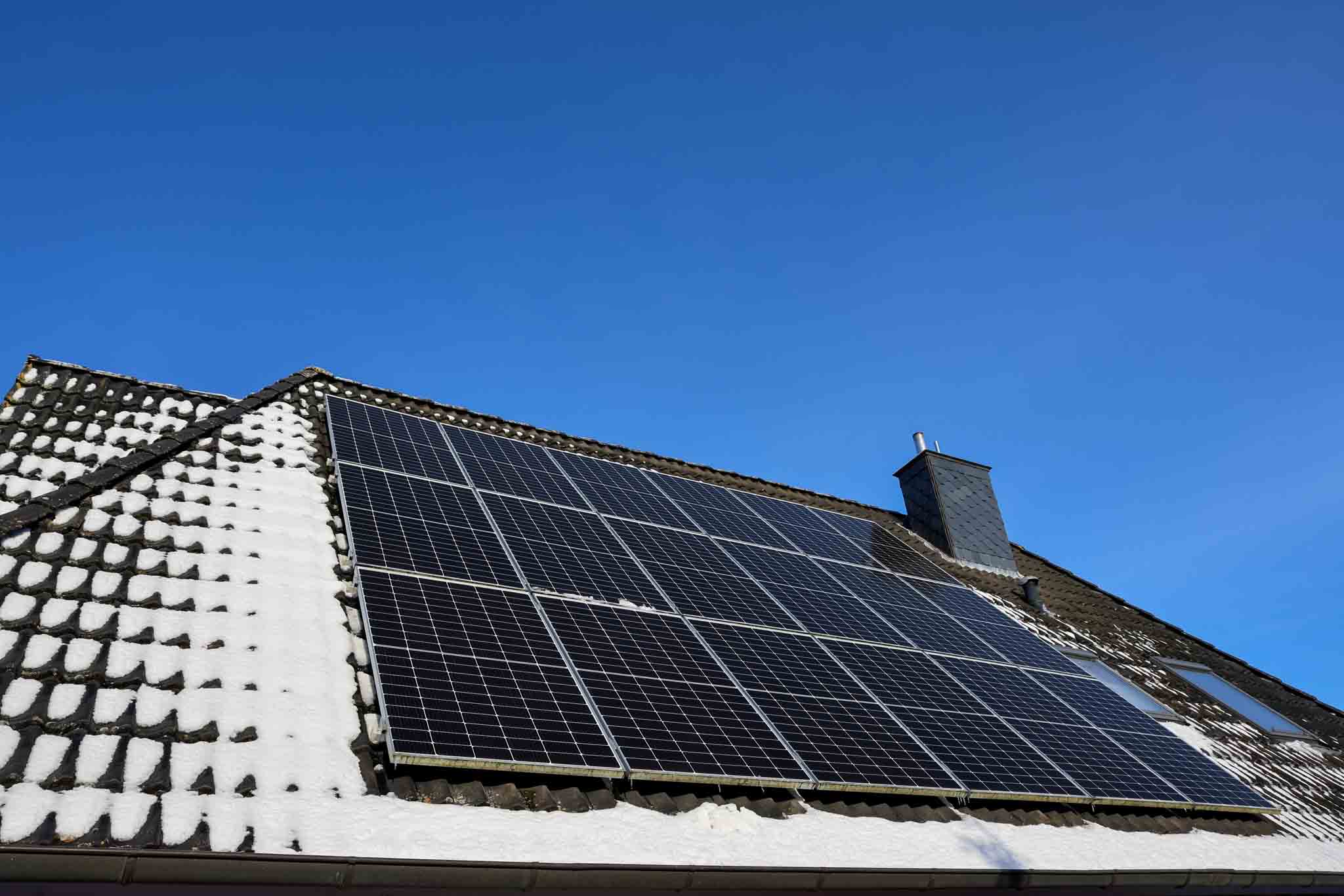
Even during the shorter days of winter, installing solar panels enables you to generate your own energy from the sun during daylight hours. As such, properties with high daytime usage and space where solar panels can be fitted in full sun can all save money on their bills.
How much do solar panels cost?
This can vary, but typically we would expect a solar PV system to pay for itself (the annual bill savings cover the cost of installation) in about five to seven years.
How much can you potentially save on your bills if you have solar panels?
How much you can save can depend on several factors. These include the orientation of your roof, how much energy you use vs how much you save, the tariff you’re on and of course the size and number of panels you have on your property.
- To give a rough average, though, 10 panels can generate roughly 3,500kWh a year, which could save you upwards of £1,000 a year on bills and save one tonne of CO2 a year
- A larger commercial system of 50kWs – which could generate about 45,000 kWh of electricity every year – could save a business around £10,000 a year on bills and 10 tonnes of CO2 in a year.
Are there maintenance costs with solar panels?
The great news is that solar PV systems have a long life and require little maintenance, and after your initial payback period, you can enjoy free, green, clean energy for around 25 years!
Can you also sell energy back to The Grid and make money?
You can, but this depends on your electricity provider and can change. One of the best currently is Octopus, which can offer from 4p to 15p per kWh if exporters are also Octopus customers. That said, we feel that it’s always better to use the energy you produce than export it, especially during your increased winter consumption.
Are there any schemes in place to support buying solar panels?
There aren’t any nationwide schemes for solar panels for homeowners, but currently, you don’t have to pay VAT on their installation. For businesses, there are a number of local councils that are using the funds available to them through the UK Shared Prosperity Fund; this offers businesses grants to install sustainable technology.
Consider solar battery storage
To boost your electric savings even more during winter and over the long-term, solar battery storage alongside your panels can be a good idea.
What is solar battery storage?
Solar battery storage works by capturing any excess electricity generated by solar panels during daylight hours and holding it in reserve for use at a later time.
When is the best time to use it?
As you’ll use more energy in the evening during winter, the best option for your property could be solar PV combined with battery storage. This is because the energy that you generate in the day and don’t use can be stored and then used for the evening or overnight.
Are solar batteries expensive?
Battery storage is expensive, but we will be able to look at your energy usage and advise whether you can get a cost saving using this technology. However, prices for it have come down, and it is now making sense for more homeowners and businesses.
Water bills
With your water bills, the typical costs can be twofold: using gas or electricity to heat your water and using the water itself. With the latter, you can either be billed on a rate or charged on how much you use according to your water meter.
In either case, the average annual water bill in the UK is said to be over £440, but again, during winter we tend to use more water – be it longer warm baths and showers, or more washing up due to us spending more time at home.
The typical costs of using water: at a glance
As aforementioned, it’s not just the water; it’s the energy required to heat the water, which can, of course, be exacerbated in the colder winter. So with a little research, we’ve uncovered some typical costs for water use in homes and some businesses:
- Doing the washing up by hand in a sink can cost upwards of 14p just to heat the water
- A typical shower head can use as much as 12 litres of water every minute, which can go up to 15 litres with a power shower
- A 9kW electric shower can use up to £2.83 in energy every week, which works out at nearly £34 over three months
- Filling a 100 litre bath and heating it to 40°C obviously uses a lot of water, but can also use upwards of 3.4kWh of energy (24p)
- Flushing the toilet can be more than a quarter of a property’s total water usage
- A standard bathroom tap can use around six litres of water every minute
How to cut your winter water bills
By also employing a few lifestyle changes, you can reduce your water consumption and your overall energy consumption this winter. Here are some suggestions on what to do:
- Set up timers when having a shower to cut them short. Some experts say that shaving only a minute off your shower time can reduce your winter energy bills by over £8, with a further £7 off if you’re on a water meter.
- While this might only apply to some, a simple way to potentially halve your water and energy consumption is to share your baths/showers with a partner! Theoretically, that would be saving around £136 in energy a year in a 9kW electric shower.
- ‘Low flow’ shower heads are said to save around six litres of water a minute.
- Getting a ‘dual flush’ toilet mechanism can use around half as much water with every flush.
- Use the ‘eco’ mode on all your laundry appliances where possible, and be sure to use full loads each time. Fewer full loads at cooler temperatures, like 30°C, can lead to winter savings of around £6.50.
- Upgrade your old, inefficient appliances to new ones. Look for those with higher ratings (A-G) and those with the most efficient kWh output.
- Avoid leaving the tap running if washing up by hand; instead, fill up and use a bowl.
- Similarly, switch off the tap when brushing your teeth; you may even want to turn off the shower when lathering up, before turning it back on to rinse.
- If you have solar panels, a special immersion such as a MyEnergy Eddi can be used in conjunction with your solar PV system to divert any excess solar energy that is produced to heat your hot water.