How Cold Storage Facilities Can Achieve Net-Zero: Industry Insights
The UK’s cold supply chain is the unsung hero of our modern economy. From farm-gate post-harvest cooling to sub-zero distribution hubs, temperature-controlled facilities keep food fresh, pharmaceuticals viable, and store shelves stocked. However, maintaining exact thermal envelopes is one of the most energy-intensive activities in commercial operations.
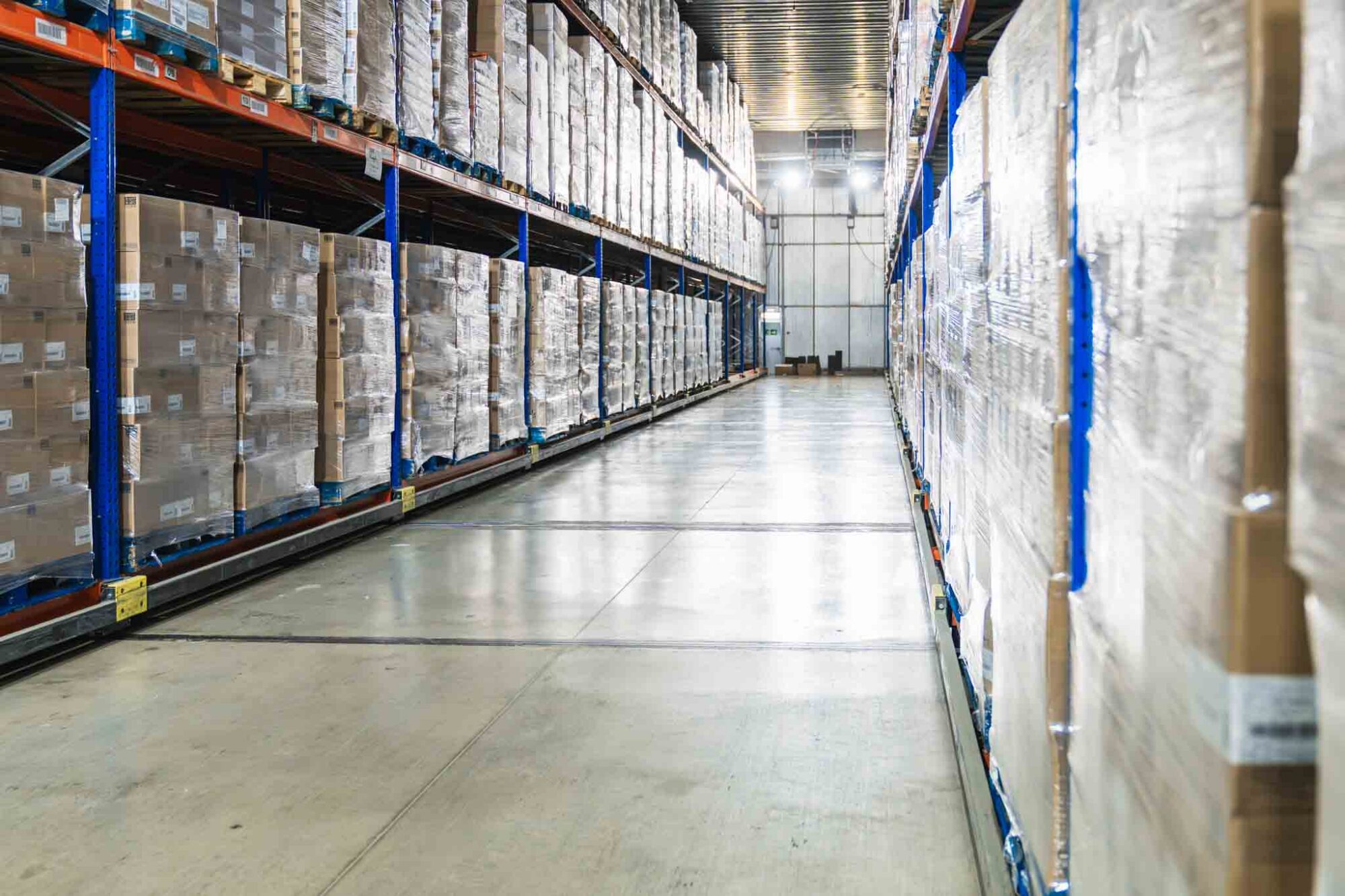
As the UK pushes towards its binding 2050 Net-Zero targets, and with major supermarket retailers demanding lower scope 3 carbon footprints across their supply chains, cold storage operators face a dual challenge: skyrocketing, volatile grid energy costs and mounting pressure to decarbonise heavy cooling loads.
The solution lies right above our heads. Expanding rooftop real estate across commercial refrigeration sites makes commercial solar installations for cold storage facilities an essential strategy for decarbonisation.
The Cold Storage Energy Challenge
Refrigeration systems, industrial compressors, blast chillers, and automated air curtains operate under continuous, heavy electricity loads. Unlike standard commercial operations where energy consumption peaks and falls with business hours, temperature-controlled facilities carry a constant baseline power requirement.
When ambient summer temperatures rise, cooling demand spikes, precisely when grid electricity rates and summer peak surcharges tend to hit their hardest.
Relying solely on grid power leaves operators vulnerable to market price fluctuations, transmission charges, and local grid capacity constraints.
In rural locations, expanding a cold storage facility or adding new refrigeration lines is frequently blocked by local Distribution Network Operators (DNOs) refusing additional grid capacity.
Solar energy transforms this challenge into an opportunity.
Why Solar PV and Cold Storage are a Natural Match
Solar PV generation aligns with cooling demand curves.
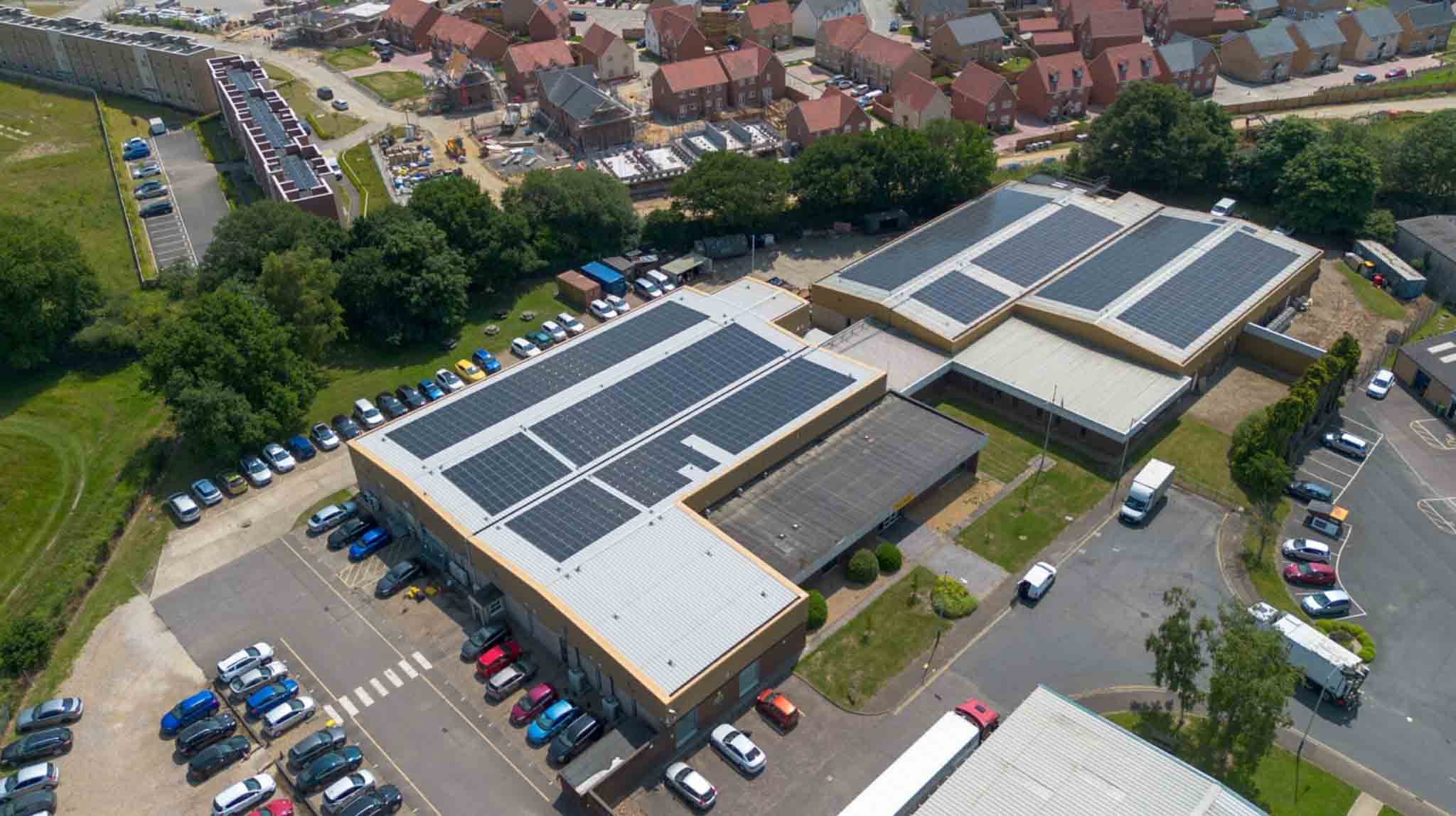
On hot, sunny summer days when refrigeration units work hardest to overcome ambient heat and keep internal temperatures stable, solar arrays generate peak output.
By generating electricity on-site, facilities direct green power directly into their refrigeration compressors. This “baseload matching” maximises self-consumption, minimising the amount of solar energy exported back to the grid at lower tariffs and protecting operators from expensive grid purchases.
1. Rapid Return on Investment (ROI)
Because cold storage sites operate with high, continuous power demands, almost all solar electricity generated on-site is consumed immediately. High self-consumption drives exceptionally short payback periods, often between 3 and 5 years for commercial systems, followed by decades of zero-carbon, virtually free electricity.
2. Tax and Funding Incentives
UK businesses investing in commercial solar can benefit from capital allowances, such as the Annual Investment Allowance (AIA), allowing 100% of the installation cost to be deducted from taxable profits in year one. Additionally, rooftop solar installations benefit from business rate exemptions, securing long-term financial predictability.
Click here to learn more about finance options.
Empowering Agricultural Supply Chains: Solar for Farmers
The transition to net-zero temperature control isn’t limited to massive distribution centres; it begins directly at the farm gate.
Agricultural producers face distinct seasonal pressures. Post-harvest cooling, grain drying, and fruit, vegetable, or bulb preservation require immense energy over concentrated periods. For growers operating in remote rural locations, high grid connections can severely restrict operational growth.
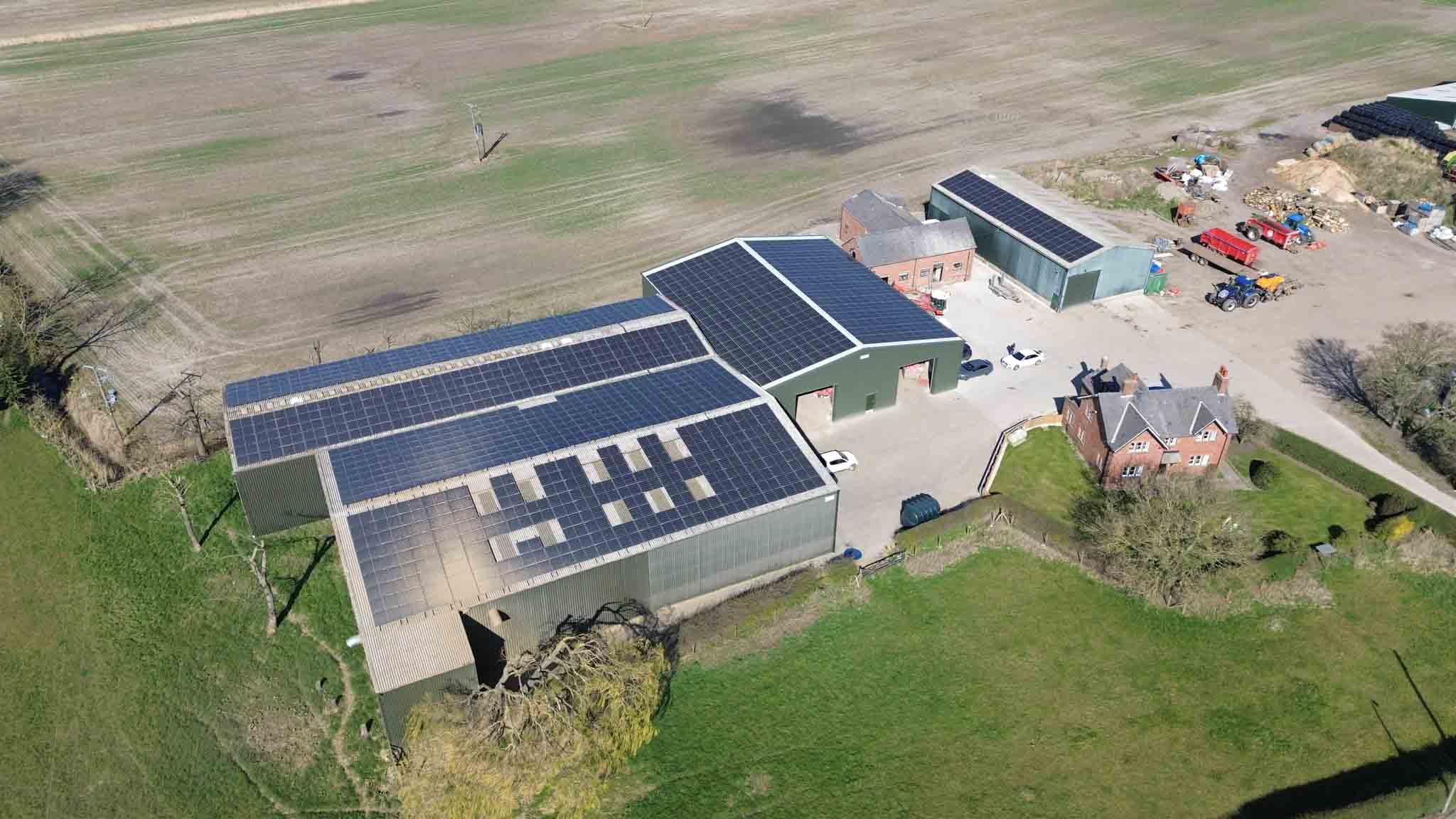
Deploying solar cold storage for farmers gives agricultural businesses control over their energy overheads. Utilising expansive barn and pack-house roofs allows agricultural producers to turn unused space into dedicated power stations.
Whether for localised post-harvest cooling units or modular solar-powered cold storage container setups situated adjacent to fields, solar generation allows farmers to cool produce immediately after harvesting. This preserves crop freshness, reduces food waste, and cuts reliance on expensive grid power during peak harvest months.
Solar-powered cold storage for farmers helps secure agricultural margins against energy market volatility while meeting the strict sustainability benchmarks set by major UK buyers and supermarkets.
Beyond the Farm: Solar for Food Manufacturers
The drive toward net-zero cold storage extends across every stage of processing. For businesses operating across food manufacturing and logistics, explore our dedicated commercial solar solutions for cold storage facilities to see how tailored system design reduces baseload costs.
Food manufacturing involves energy-intensive steps: rapid cooking, flash freezing, high-capacity refrigeration, and continuous packaging lines. On-site solar PV installations allow food processors to offset these high-draw thermal and operational loads.
By generating green power on-site, food manufacturers drastically reduce their carbon footprint, strengthen their ESG (Environmental, Social, and Governance) credentials, and secure a clear competitive edge when pitching to eco-conscious retailers.
Enhancing System Value with Commercial Battery Storage
While solar PV provides substantial power during daylight hours, cold storage facilities require thermal control around the clock. Integrating commercial battery storage with solar PV maximises the value of your installation.
Battery storage systems capture excess energy produced during peak solar generation hours in the middle of the day.
Rather than exporting this surplus back to the grid, the stored energy can be discharged later in the afternoon and evening to power refrigeration compressors during expensive peak-tariff windows (such as triad periods or DUoS peak charges).
While solar PV and battery systems are designed to supplement and dramatically reduce reliance on the mains grid, combining the two delivers a resilient, hybrid energy model that lowers overall operational expenditure and protects facilities from grid price volatility.
Decentralised Flexibility: The Rise of Modular Cooling
As supply chains become more flexible, localised and decentralised cooling solutions are becoming increasingly widespread.
A primary example is the solar-powered cold storage container. These self-contained, temperature-controlled units offer flexible, deployment-ready refrigeration for temporary storage, seasonal crop surges, or remote logistics hubs.
Powered by integrated or adjacent solar PV systems, and paired with compact battery storage, these modular units bring zero-carbon cooling directly to where it is needed most, bypassing grid connection bottlenecks entirely.
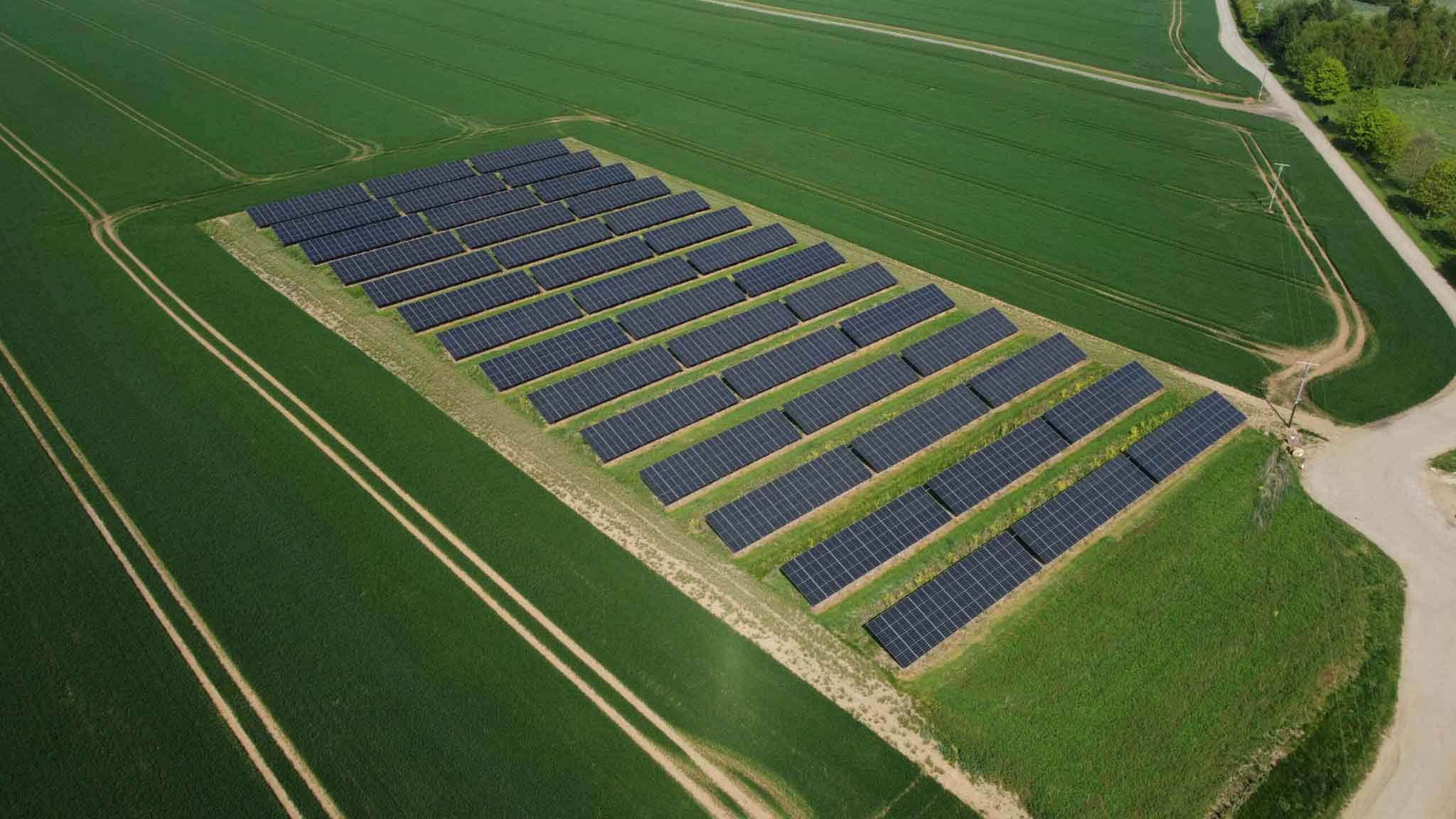
For larger sites, solar-powered cold storage combines rooftop arrays, ground-mounted systems, and solar carports to convert every square metre of available space into clean power generation.
Decarbonising Your Cold Supply Chain
Achieving a net-zero thermal envelope requires balancing high baseload demands with on-site generation and battery storage.
By pairing solar arrays with smart energy management, UK cold storage operators can insulate their operations against energy market volatility while satisfying strict supply chain ESG criteria.
Looking to install solar or battery storage at your facility?
Learn more about our technical capabilities, structural site surveys, and case studies on our dedicated Solar Energy for Cold Storage Page.
Contact the commercial solar experts at Geo Green Power today on 0800 988 3188 or request a tailored solar feasibility assessment for your site.