Solar Panels For Warehouses

At Geo Green Power, we are specialists in high-capacity renewable energy.

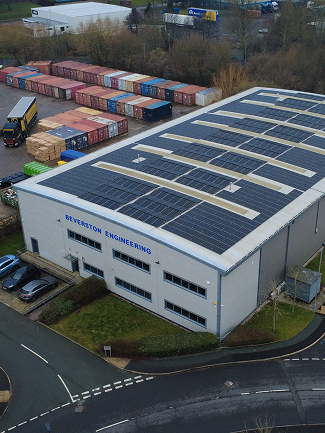
We provide end-to-end consultancy and installation of solar panels for warehouses, helping logistics firms transform expansive, underutilised roof spaces into powerful assets that slash operating costs and secure long-term energy independence. 
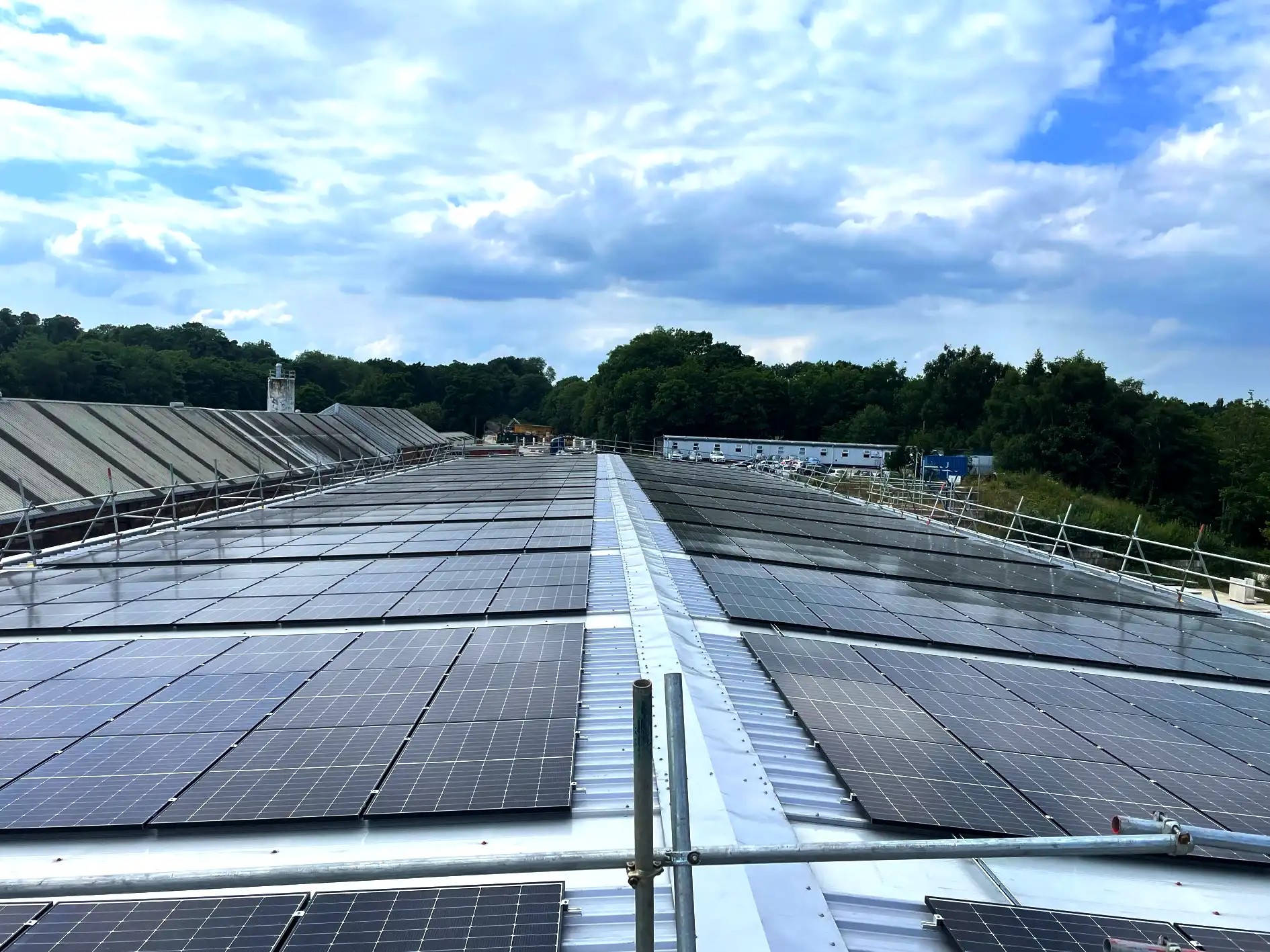
warehouse-solar-install

Why Choose a Solar-Powered Warehouse 

Operating a modern distribution hub involves managing massive electricity loads, from 24/7 LED lighting and automated picking systems to climate-controlled cold storage. These energy demands make utility bills one of your largest overheads. 
Rapid ROI: Achieve full payback in just 4 to 6 years through drastic reductions in grid reliance. 

Operational Continuity: Our precision installation ensures zero interference with HGV movements, loading bays, or dispatch schedules. 

Future-Proof Infrastructure: Generate the scalable, low-cost power required to deploy and maintain an EV delivery fleet. 

ESG Leadership: Enhance your brand credentials with carbon-neutral operations that appeal to eco-conscious clients. 

Margin Protection: Shield your business from volatile energy markets with predictable, long-term energy costs. 

Full-Service Integration 

From complex array design to final grid integration, our dedicated team manages the entire process. We scale systems to your roof’s potential, ensuring your transition to a solar-powered warehouse is seamless and high-performing. 

Secure your energy independence. Contact us for a site-specific feasibility study.  

Bespoke Solar Energy Solutions for Warehouses 

Geo Green Power has partnered with numerous distribution centres, 3PL providers, and independent warehouse owners across the UK. The trend is clear: logistics businesses are increasingly taking control of energy costs. By doing so, they are future-proofing their power supply, especially the high-draw demands of EV fleet charging and significantly enhancing the value of their commercial property. 

Types of facilities we work with include: 

  • Regional & National Distribution Centres (RDCs/NDCs) 
  • Cold Storage & Refrigerated Warehouses 
  • E-commerce Fulfilment Hubs 
  • Last-Mile Delivery Depots 
  • Self-Storage Facilities 
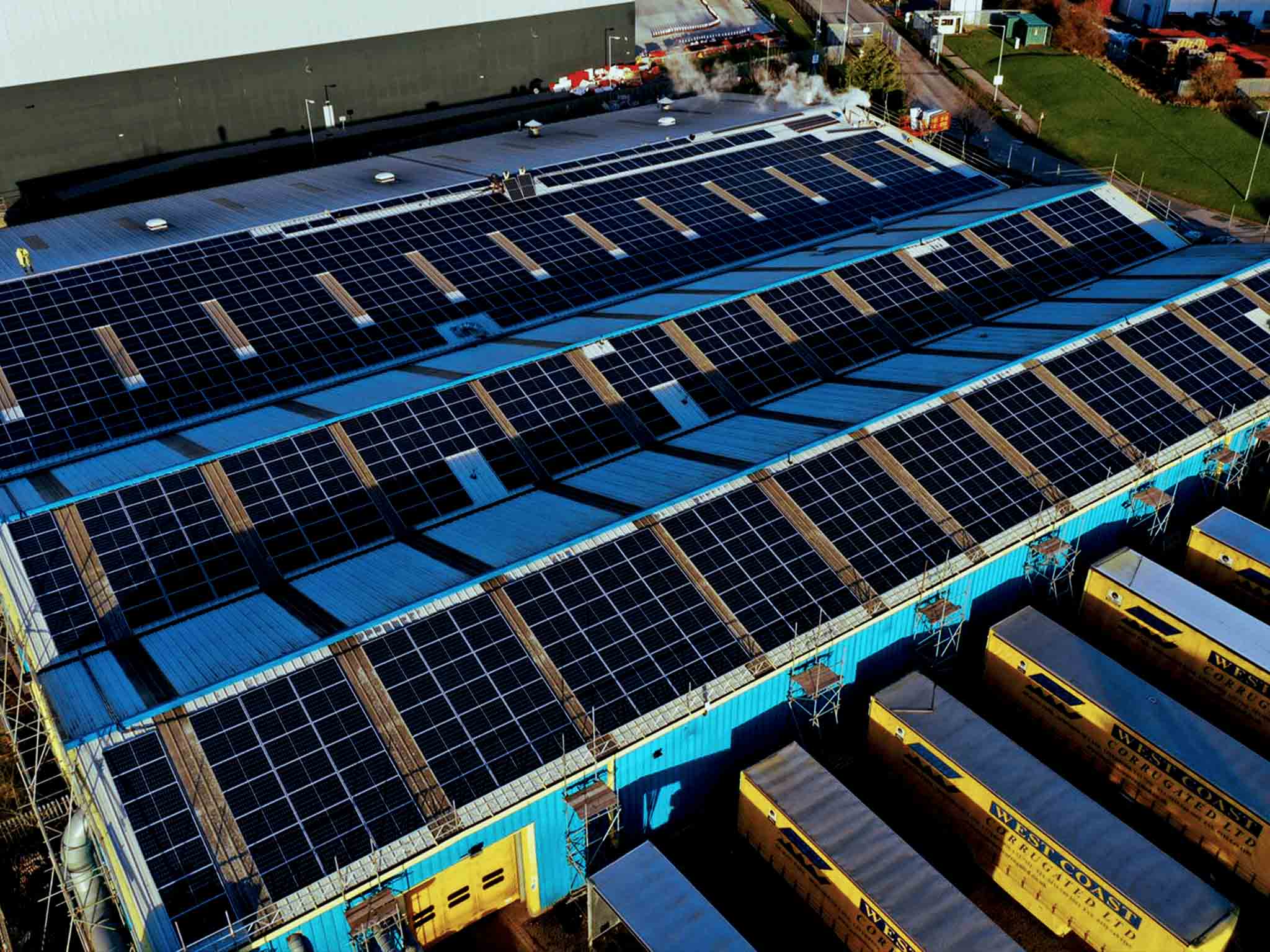
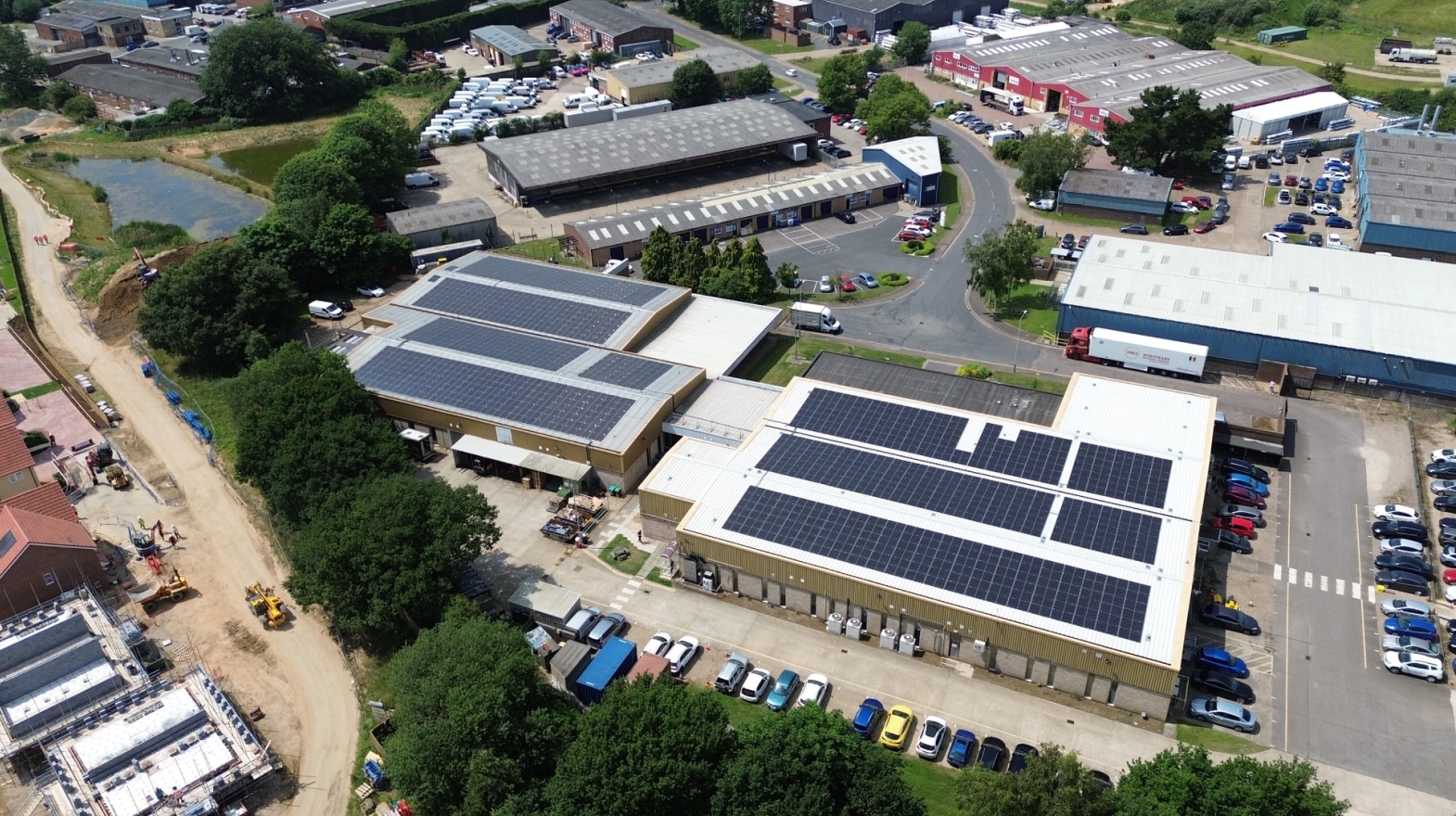
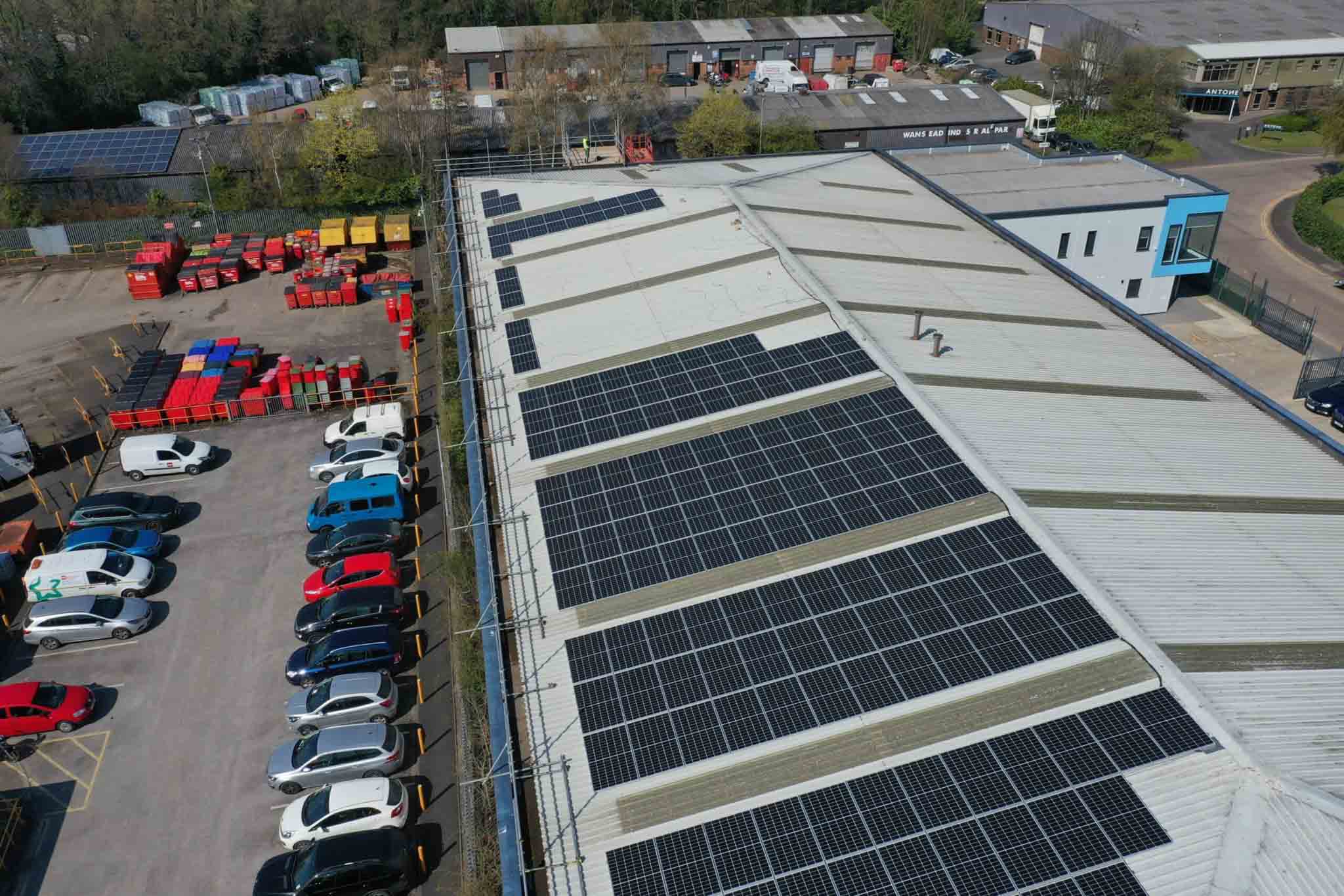
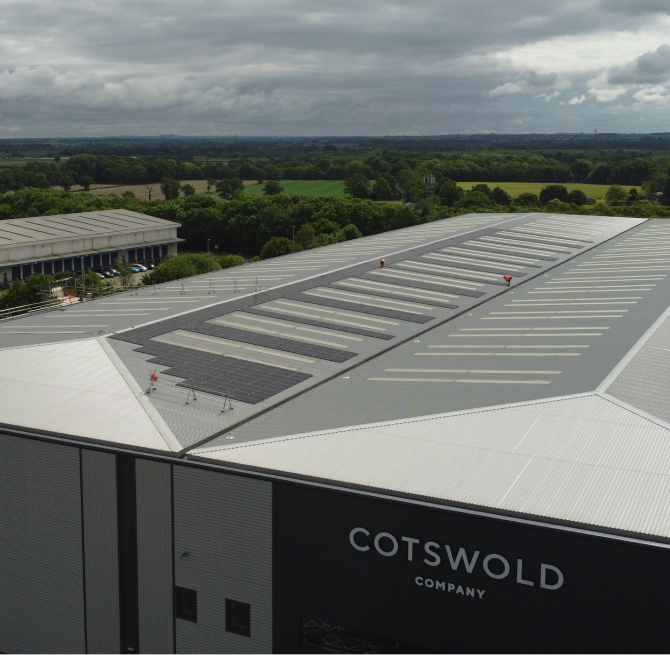
solar panels on warehouse
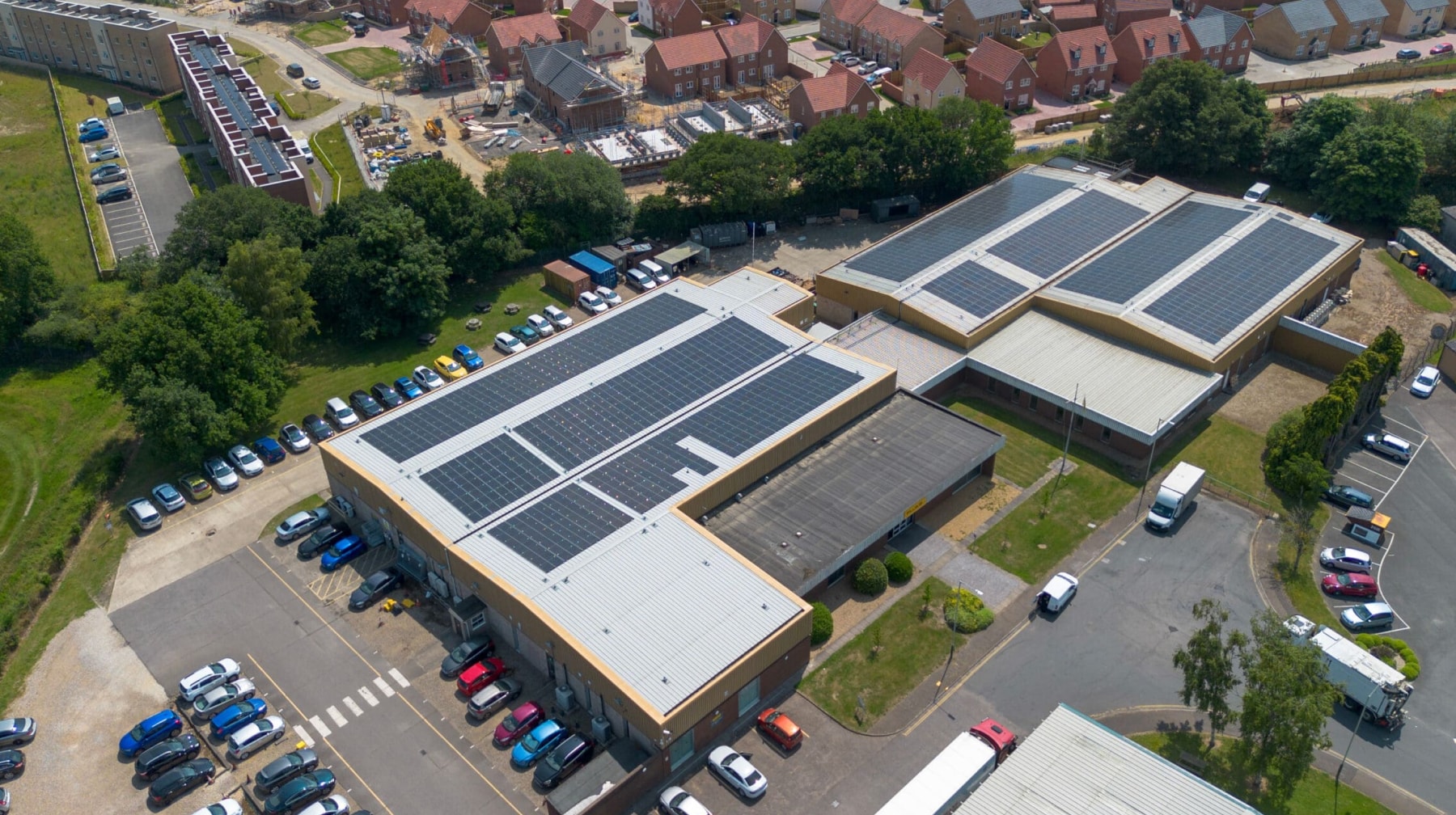
conspare solar warehouse installation

Case Study: ConSpare 

The ConSpare case study showcases a highly successful 100kWp solar PV installation at their purpose-built facility, designed to eliminate the company’s reliance on fossil fuels.  

Since its completion, the system has exceeded expectations by generating 83,500kWh of clean energy annually, more than the site’s total consumption of 80,000kWh, effectively making the premises 100% powered by electricity 

This carbon-neutral operation supports everything from high-performance equipment to the company’s fleet of electric forklifts and vehicles, resulting in an annual CO2 saving of 18.8 tonnes. By partnering with Geo Green PowerConSpare has secured a significant financial return while setting a leading example for industrial sustainability. 

Sector Guide Download

Warehousing and Logistics

With large buildings and huge fleets, why should warehousing and transport companies consider solar? Managing Director, James Cunningham, delves deep into how solar can transform this sector, as well as looking at how landlords and tenants can benefit together. 

Maximise Space with Commercial Solar Carports 

For facilities with restricted roof access or those looking to maximise every square metre, we offer solar carports.

By installing solar canopies over your staff parking or trailer bays, you can generate additional renewable energy while providing weather protection for vehicles.

These carports serve as the ideal hub for integrated EV charging, allowing you to charge your delivery vans with “zero-carbon” miles generated directly on-site. 

Our Installation Process for Warehouses 

We prioritise a “zero-disruption” approach to keep your supply chain moving: 

Structural Roof Assessment: We meticulously evaluate your warehouse solar panels’ layout to ensure it meets load-bearing requirements. 

Peak-Demand Alignment: We design your system to match your 24/7 or multi-shift energy profiles. 

Battery Storage Integration: We factor in high-capacity storage to capture daytime energy for use during expensive night-shift periods. 

Scheduled Deployment: We coordinate work around your peak delivery windows to ensure the smoothest possible transition with zero impact on loading bay access. 

Commercial Solar for Factories & Warehouses

Recent Solar PV Installations for Manufacturers

Case Study: JK Foods 

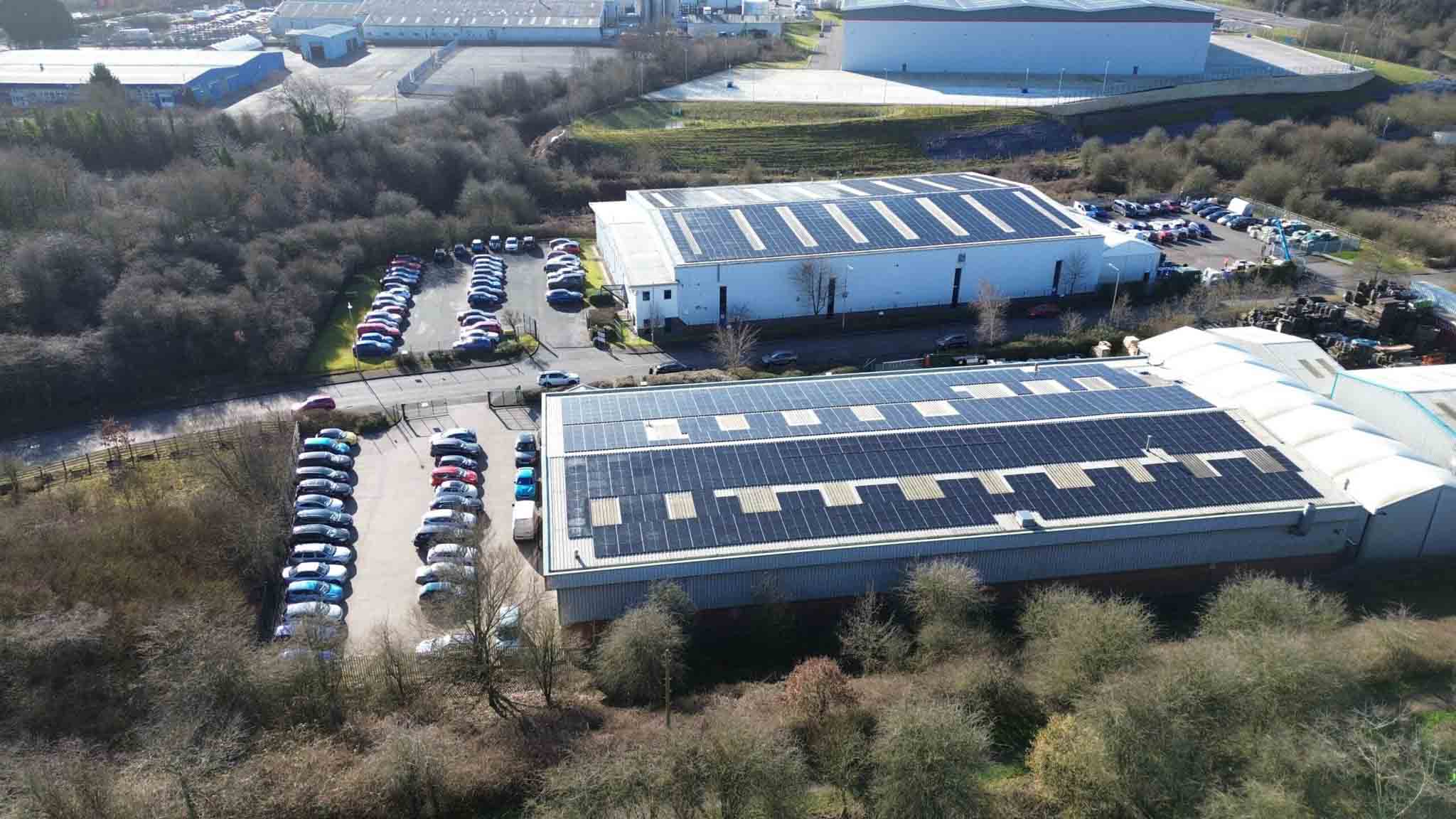
As a leading food wholesaler, JK Foods worked with Geo Green Power to install a robust 309kWp solar PV system paired with an 87kWh battery storage solution.

This combination allows the business to capture peak generation and store it for use during high-load periods, ensuring maximum self-consumption of green energy.

The system produces an impressive 260,500kWh of electricity annually, reducing the company’s carbon footprint by 54 tonnes of CO2 per year 

By embracing both solar generation and advanced battery technology, JK Foods has significantly slashed its operational costs while reinforcing its commitment to a sustainable supply chain. 
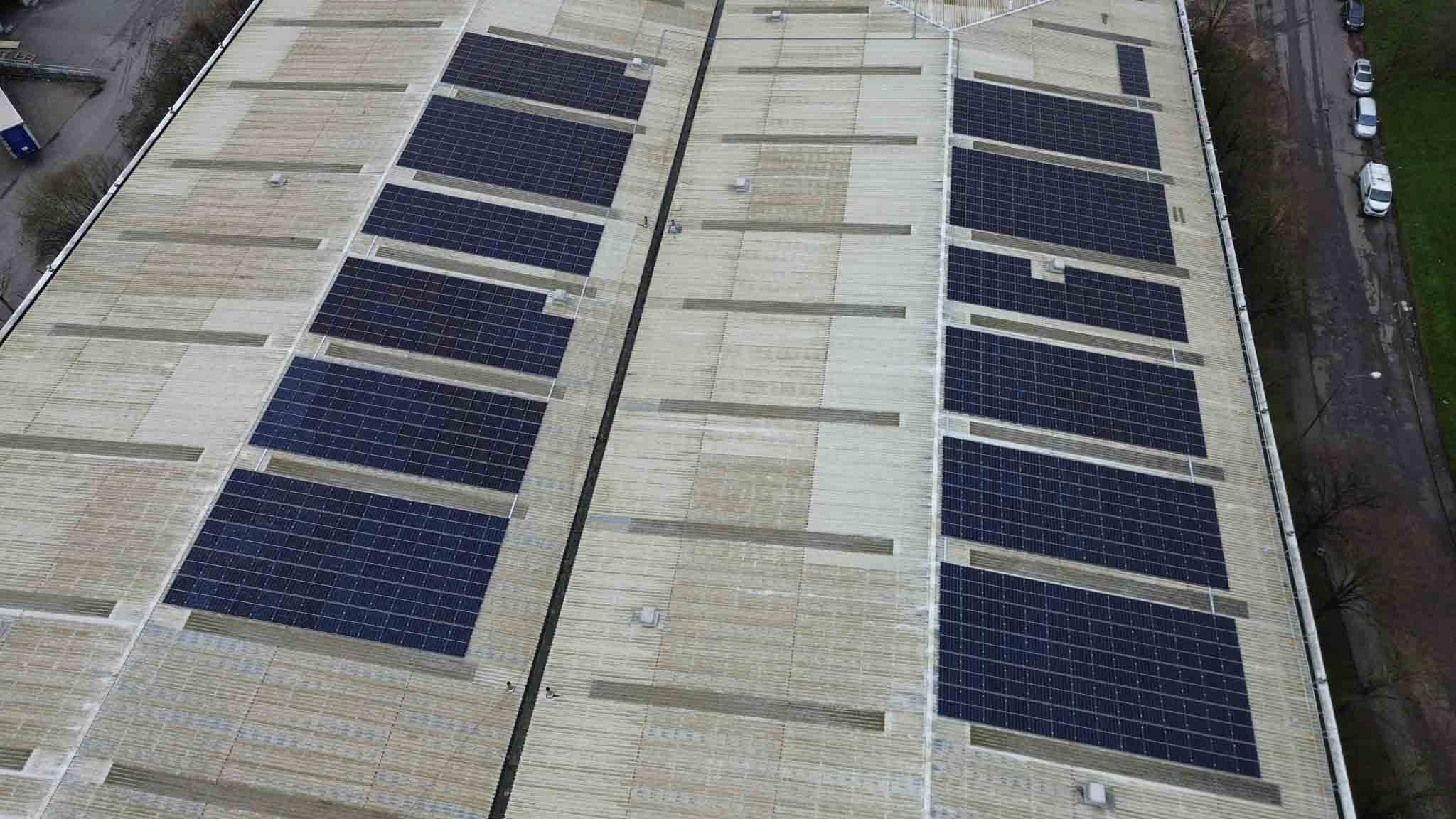
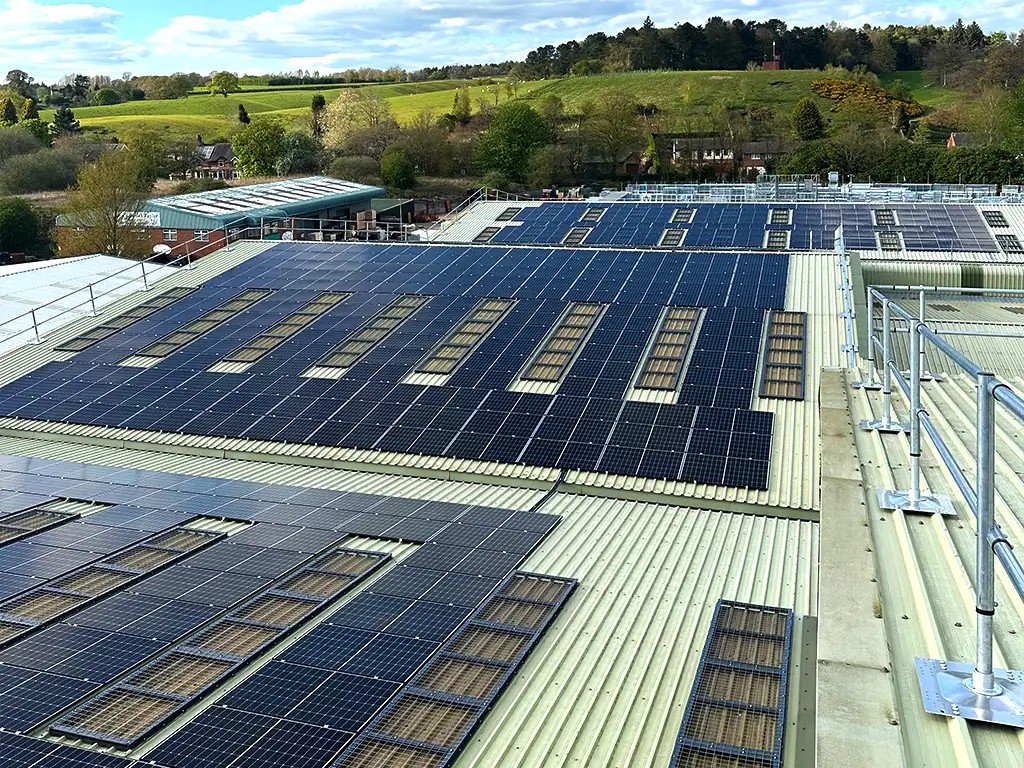
Large Scale Commercial Solar Installation - Distributor
commercial solar install

Solar Installation Costs for Warehouses 

Every solar warehouse project is unique. Costs are influenced by system size, roof type, and specific grid connection requirements. 

Typical industrial system sizes and costs: 

System Size 

Costs 

ROI 

50kW 

£45,000 

4-5 Years 

100kW 

£70,000 

3-4 Years 

250kW 

£165,000 

3-4 Years 

500kW 

£300,000 

3-4 Years 


Costs can vary depending on the installation requirements. To get a no-obligation quote, contact us today. 

Solar Incentives for UK Warehouses 

Annual Investment Allowance (AIA):

Deduct 100% of the cost of your solar panels from your taxable profits in the year of purchase (up to £1m).

50% First-Year Allowance:

For projects exceeding the AIA limit, large firms can still claim 50% relief in the first year.

Smart Export Guarantee (SEG):

Earn revenue by selling surplus electricity back to the grid during low-activity weekends.

Business Rates Exemption:

Rooftop solar installations remain exempt from business rates valuation until 2035, protecting your ROI.

Power Purchase Agreements (PPAs)

A Power Purchase Agreement allows you to install a solar PV system with no upfront capital investment. A third-party investor funds the system and sells you electricity at a lower rate than your current supplier.  

Asset Finance

Spread the cost of your solar installation over time with asset finance, such as a lease or hire purchase agreement. This allows businesses to preserve working capital while still benefiting from reduced energy costs and potential tax efficiencies.  
Searching for Solar for Your Warehouse 

Call us on 0800 988 3188 or send a message via our enquiry form to see how much your warehouse could save. 

Warehouse Solar Panels FAQs 

How many solar panels are needed to power a warehouse?

The number of panels required depends entirely on your warehouse’s specific energy profile and available roof space, but a typical medium-sized facility using roughly 100 kWh per day would require approximately 60 to 75 high-efficiency panels 

Larger distribution centres with automated systems or refrigeration often require significantly more, sometimes hundreds or thousands of panels, to cover their higher base loads. Our team conducts a detailed load analysis to ensure we maximise your roof’s generation potential while building in a buffer for lower-yield winter months. 

How do warehouses benefit from solar panels?

Warehouses are among the best candidates for solar because their vast, unshaded roof spaces allow for large-scale generation that can offset 40% to 80% of annual electricity costs 

Beyond the immediate financial savings, solar provides long-term energy security by “locking in” electricity rates at around 5–6p per kWh, shielding your business from grid price volatility.  

Additionally, a solar-powered warehouse dramatically improves your EPC rating and brand reputation, signalling a commitment to Net-Zero that is increasingly required by major supply chain partners and ESG-conscious investors. 

How long does the installation process take for commercial solar panels?

The physical on-site installation for a standard warehouse typically takes between 1 and 3 weeks, depending on the system’s complexity and the size of the array. However, the total project timeline from contract to commissioning usually spans 2 to 4 months, as this includes essential behind-the-scenes work such as structural roof assessments, system design, and obtaining necessary approvals from the Distribution Network Operator (DNO) 

We assist with the process to ensure that the physical build is scheduled around your peak delivery windows to maintain zero disruption to your daily operations. 

What maintenance is required for solar panels on industrial buildings?

Solar PV systems are incredibly low-maintenance because they have no moving parts, but we recommend a professional inspection once a year to ensure peak performance. This annual “health check” involves monitoring inverter health, checking electrical connections, and conducting a visual sweep for any debris or accidental damage.  

In industrial areas where dust or bird droppings are more prevalent, we also advise periodic cleaning every 1 to 2 years to prevent “soiling” from reducing your energy yield and to ensure your system continues to function at its maximum capacity for its 25+ year lifespan. 

If you’re concerned about the efficiency of your warehouse solar panels, contact our O&M team today 

What is the typical return on investment (ROI) for solar panel installations in industrial buildings?

In the current energy market, most industrial solar installations achieve a full return on investment in just 4 to 6 years, with larger systems often seeing payback even sooner. This represents an annual ROI of approximately 15% to 25%, a figure significantly boosted by the government’s Annual Investment Allowance (AIA), which allows most businesses to deduct 100% of the cost from taxable profits in the first year.  

Over a 25-year period, a warehouse solar system can generate a total return of over 600%, essentially turning a previously unused roof into a consistent, revenue-generating asset. 

Do I need permission to install solar panels on my warehouse?

Most warehouse solar installations fall under “Permitted Development” (Class J), meaning you do not need full planning permission if the panels do not protrude more than 200mm from the roof slope and are kept at least 1 metre from the roof edges 

For systems larger than 50 kW, you are required to submit a “Prior Approval” application to your local planning authority, which is a simplified 56-day process to assess the design and potential glare impact.  

Exceptions apply if your warehouse is a listed building or located in a Conservation Area, in which case we handle the necessary specialist applications on your behalf. 

How much can I save on energy costs by installing solar panels on my warehouse roof?

By switching to solar, the average warehouse can reduce its grid electricity spend by 30% to 50%, with some high-yield sites saving as much as 80% if paired with battery storage 

With commercial grid rates often exceeding 25p per kWh, generating your own power at an equivalent cost of roughly 5p per kWh results in immediate and substantial overhead reductions.  

For a large distribution centre, this can translate to annual savings ranging from tens of thousands to hundreds of thousands of pounds, directly improving your bottom-line profitability and protecting the business against future energy price hikes. 

Contact Our Team

Get in touch to discuss a free quote and requirements for your property.

Name(Required)
I am interested in...(Required)
tick all that apply. Please select at least one option.
I would like to receive news and offers to my inbox

GGP - Solar Guide Form (Download)

Full Name(Required)
Sector(s) of Interest(Required)