What Solar Saves a Business at Christmas
December is an interesting month for UK businesses. Between end-of-year deadlines, festive gatherings, and shorter daylight hours, commercial buildings experience a distinct shift in how they consume electricity.

While summer is typically associated with peak solar generation, winter, and the Christmas period specifically, is when electricity is at its most expensive.
Understanding how commercial solar photovoltaics (PV), battery storage, and smart energy management interact during the festive season reveals why December generation still delivers meaningful financial and operational value.
The Hidden Surge in Festive Workplace Energy
Even in offices and warehouses that wind down for a week at the end of December, the run-up to Christmas brings subtle but cumulative spikes in electricity demand.
Space Heating and Thermal Demand: Colder outdoor temperatures force HVAC systems, heat pumps, and supplementary electric heaters to work harder. Heating routinely accounts for almost 50% of total energy costs in a typical UK office environment, and open doors in retail or logistics settings only compound the load (Energy Saving Trust, 2026).
Lighting and Festive Displays: Darker mornings and early sunsets mean main workspace lighting stays on throughout the entire working day. Adding illuminated Christmas trees, window displays, and exterior decorative lighting introduces extra hours of continuous draw. While modern LED fairy lights are far more efficient than older incandescent bulbs, running large commercial displays from early morning until late evening still adds up.
Kitchens, Kettles, and Hospitality: Winter weather naturally prompts staff and visitors to reach for hot drinks more often. Commercial kettles, coffee machines, dishwashers, and catering equipment draw high bursts of power throughout the day. In retail, hospitality, and manufacturing, extended trading hours and fuller refrigeration units push baseline consumption even higher.
On-Site EV Charging: With the growing number of electric vehicles on the road, a busy festive calendar naturally brings higher demand for on-site charging. Across hospitality venues, hotels, and corporate sites hosting seasonal events, increased visitor footfall, overnight stays, and winter travel, combined with reduced battery efficiency in cold weather, can result in a noticeable spike in plug-in power draw alongside peak building loads.
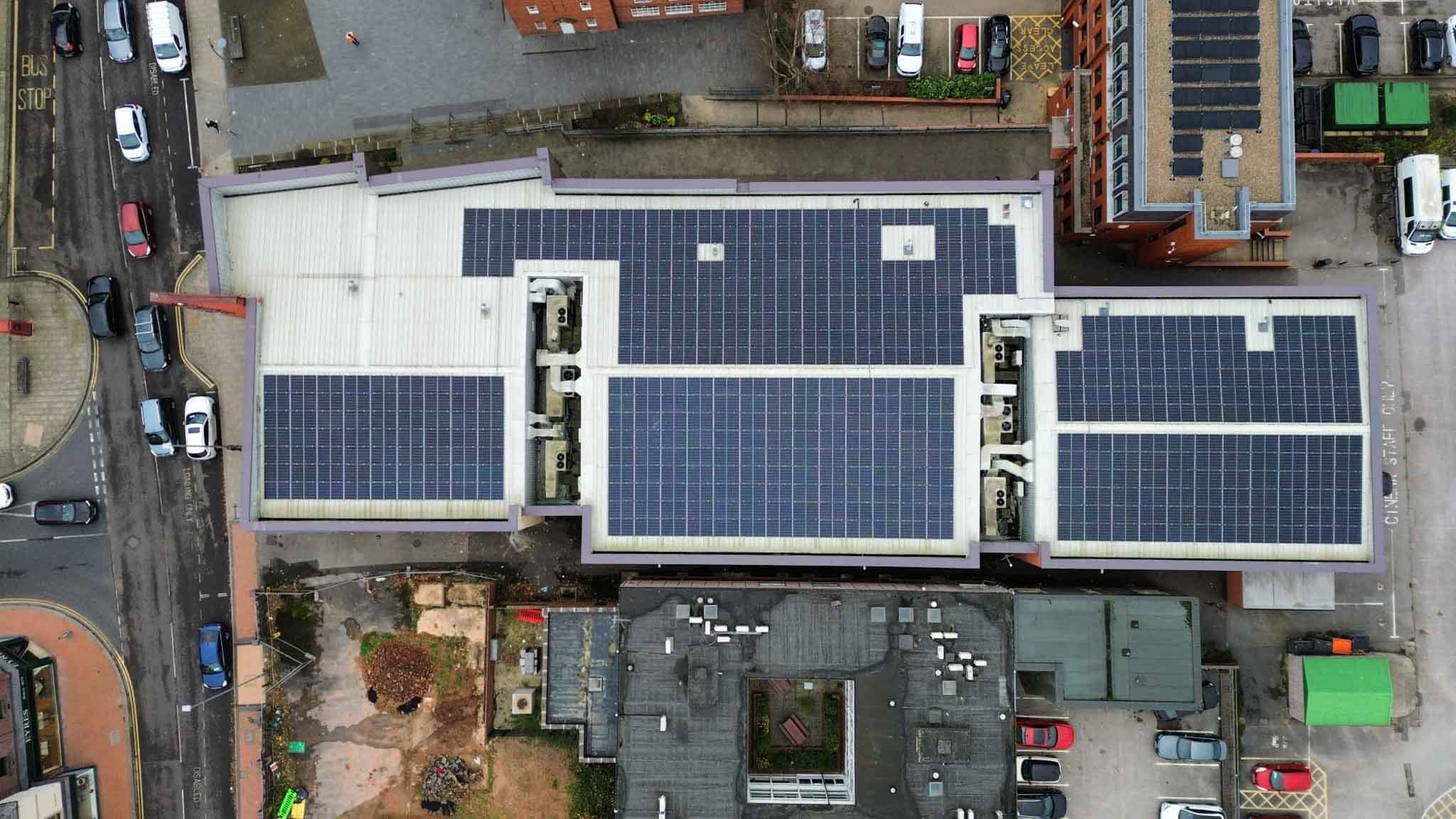
Workplace Energy During December
Festival Load Driver Typical Pattern in December How On-Site Solar & Storage Helps Heating & HVAC High morning warm-up load; continuous daytime maintenance. Midday solar offsets daytime heat pump operations; batteries cover early morning surges. Office & Festive Lighting Runs from 8:00 AM through to closing; timers often keep displays on late. Direct solar generation covers daytime lighting; stored energy offsets dusk hours. Kettles & Breakroom Appliances Frequent, short high-wattage spikes (2-3 kW per kettle boil) throughout the day. Solar absorbs midday spikes; battery inverters smooth sudden demand surges. Holiday Shutdown Baselines Low active occupancy, yet servers, security, and frost-protection heating remain on. Even modest winter sunlight can cover skeleton loads and export surplus to the grid.
How Winter Solar Performs in December
A common misconception is that solar panels stop working effectively once winter arrives. Solar PV panels generate electricity from daylight rather than heat.
Because photovoltaic cells operate more efficiently in crisp, cold air than in extreme summer heat, bright winter days can produce surprisingly strong output.
The primary limiting factors in December are shorter days, lower sun angle, and heavier cloud cover.
A commercial rooftop array will naturally produce a fraction of its July peak during the winter solstice. However, every kilowatt-hour (kWh) generated on-site in December directly displaces grid electricity purchased at winter rates.
Furthermore, if a business closes between Christmas Eve and New Year’s Day, the building’s energy demand drops to its “baseload”, covering essentials like IT servers, security systems, refrigeration, and frost-protection heating.
During these quiet days, even reduced winter solar generation can frequently exceed the building’s minimum requirements, allowing the business to run almost entirely on self-generated power during daylight hours and export any excess back to the grid via a Smart Export Guarantee (SEG) or Power Purchase Agreement (PPA).

Why Battery Storage Matters More in Winter
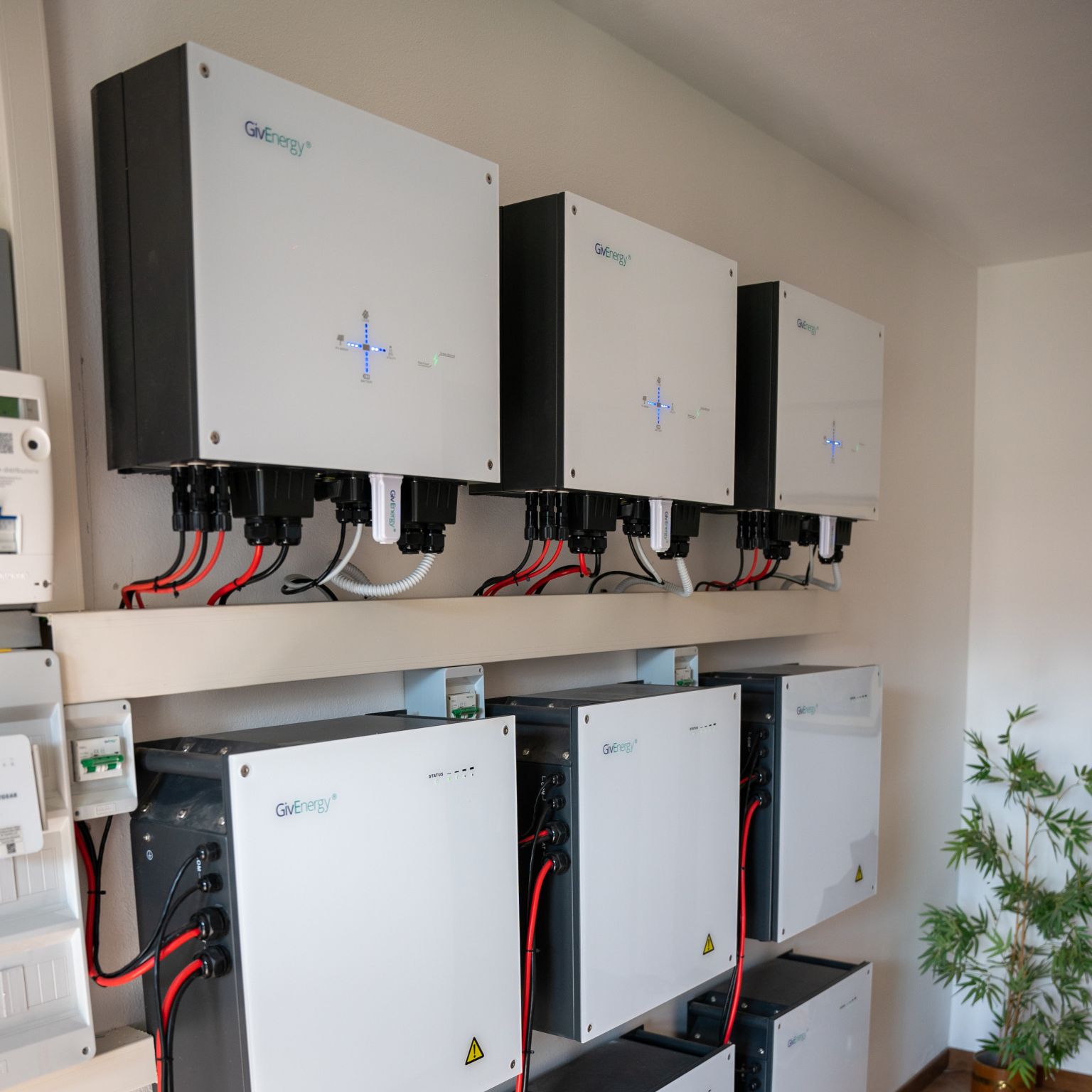
While solar panels alone reduce daytime grid imports, pairing them with commercial battery energy storage unlocks far greater savings during the Christmas period.
In winter, UK commercial electricity tariffs typically feature steep price hikes between 4:00 PM and 7:00 PM.
During this late-afternoon window, national demand peaks as commuters return home, and commercial lighting and heating remain active, driving up wholesale prices alongside DUoS and TNUoS.
Because the sun sets before 4:00 PM in December, solar panels cannot directly supply power during this expensive evening peak. A commercial battery bridges that gap in two ways:
- Storing Daytime Surplus: Any excess solar power generated around midday, or during low-occupancy days over the Christmas break, is captured in the battery rather than exported for a lower rate, then discharged when staff are still working between 4:00 PM and 6:00 PM.
- Overnight Tariff Arbitrage: When winter daylight is scarce, smart battery systems can draw power from the grid overnight during off-peak, low-cost hours. That stored energy is then used to power the morning heating warm-up and the late-afternoon peak, shielding the business from volatile winter unit rates.
For more information on commercial solar battery storage, visit our dedicated page.
Commercial EV Charging Over the Festive Season
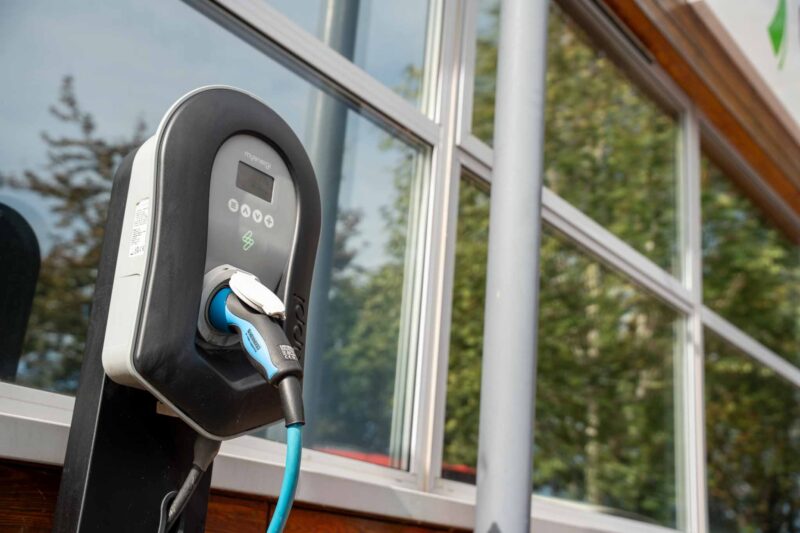
For businesses operating electric fleet vehicles or offering workplace charging for staff and visitors, December brings a noticeable shift in charging behaviour.
Cold ambient temperatures temporarily reduce lithium-ion battery efficiency in electric vehicles, while cabin heaters, heated seats, and defrosters draw additional energy per mile.
Consequently, company vans and commuter cars arrive at the workplace requiring more frequent top-ups.
Integrating commercial EV chargers with on-site solar and battery storage keeps these winter transport costs predictable.
Smart load-balancing chargers can automatically adjust charging speeds based on how much solar electricity the roof is generating in real time, ensuring vehicles absorb clean, zero-marginal-cost energy during bright winter lunchtimes without overloading the building’s main grid connection.
Additionally, UK businesses installing eligible workplace EV charging infrastructure benefit from 100% business rates relief for 10 years (effective from April 2026) alongside 100% First Year Allowances against taxable profits, strengthening the long-term financial case for combining solar and fleet electrification (Evon).
Practical Steps to Maximise December Solar Value
To get the most out of a commercial renewable setup over Christmas, facilities managers can combine solar generation with straightforward operational habits:
Schedule High-Load Tasks for Midday: Where possible, run commercial dishwashers, batch-charging for warehouse equipment, or water heating cycles between 11:00 AM and 2:00 PM when winter solar output peaks.
Audit Pre-Holiday Shutdowns: Before closing for Christmas, use smart plugs or timers on festive decorations, water coolers, and non-essential office equipment so that winter solar generation isn’t wasted on phantom loads.
Check Panel Condition: Autumn leaf fall and winter debris can shade panels and reduce output during already short days. Reviewing monitoring software in late November ensures the system is operating cleanly ahead of the festive rush.
By viewing winter solar not as a standalone summer asset, but as part of an integrated system alongside battery storage and smart demand management, businesses can keep festive overheads under control well into the new year.
To learn more about solar panels for businesses, visit our parent page.
And for ongoing commercial solar panel maintenance, visit our servicing page.
Ref:
https://energysavingtrust.org.uk/a-guide-energy-efficiency-in-the-workplace/ (Energy Savings Trust, 2026)
https://www.ev-on.co.uk/ev-charging-faqs/public/what-are-business-rates-benefits-for-ev-chargers (Evon)