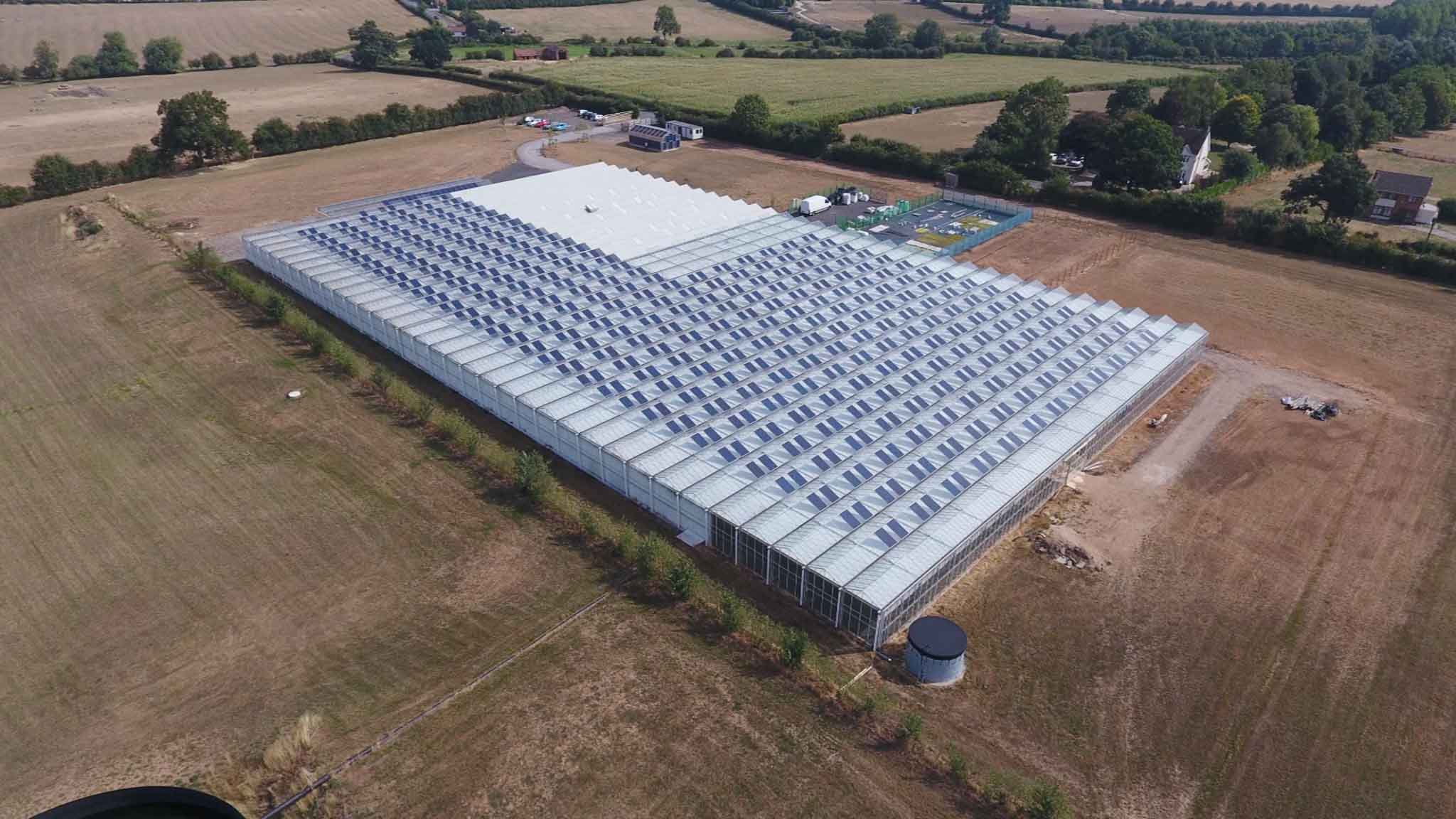
Solar Panels for Horticultural

At Geo Green Power, we’re experts in sustainable energy solutions. We understand the unique challenges of the horticulture sector and can advise your nursery or commercial greenhouse on the best ways to maximise solar power for your growing business. 
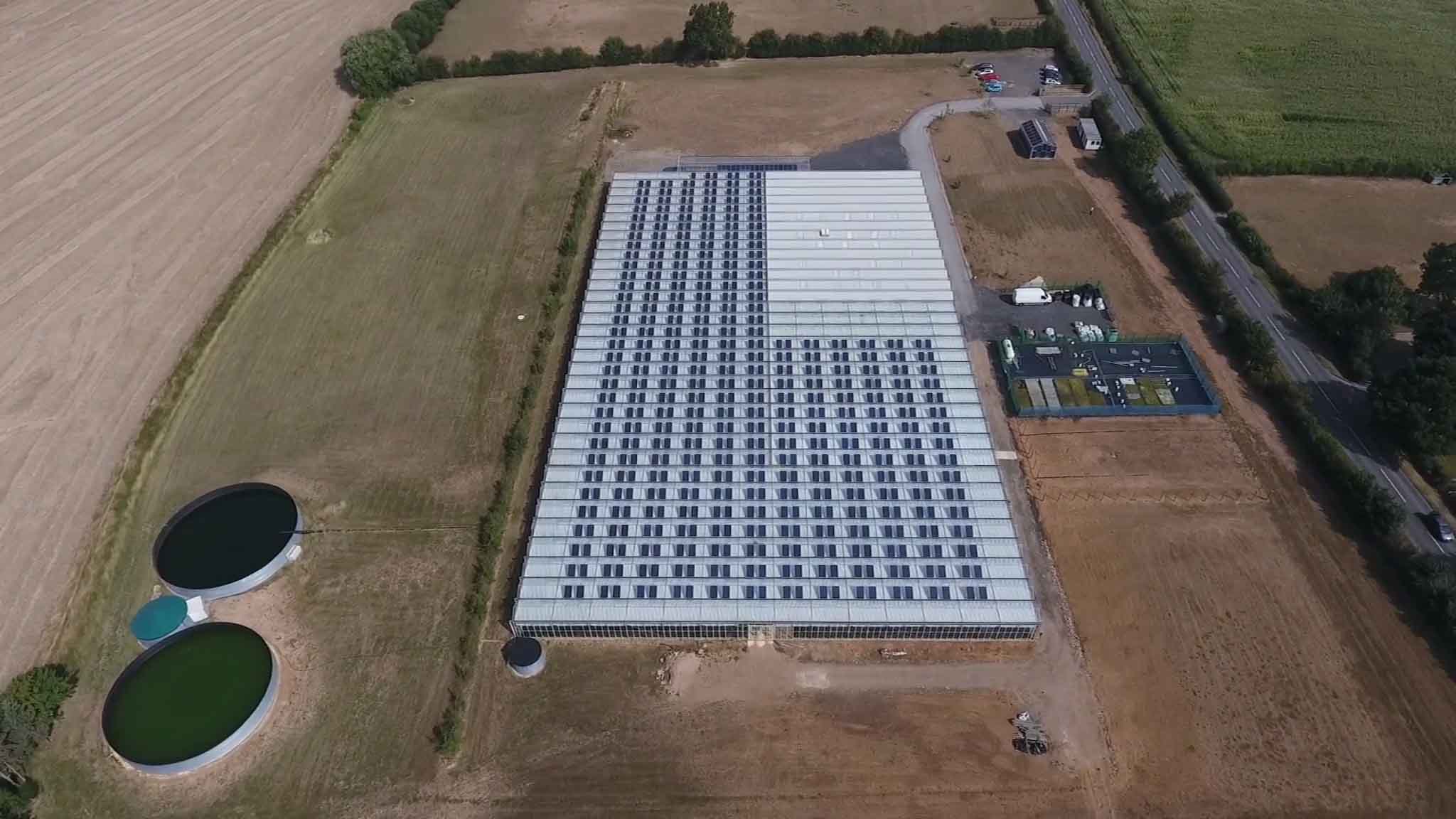
BeadaMoss Micropropagation Services 150kW Custom Manufactured Solar PV Installation 1

Why Choose Solar for Horticulture? 

Operating a modern horticultural site involves managing massive energy loads across temperature-controlled glasshouses, automated irrigation systems, and intensive grow-lighting rigs. These energy demands, often required 24/7, make utility bills a significant and volatile operating cost.  

Geo Green Power excels in delivering high-capacity commercial solar systems precisely scaled for agricultural environments, all while ensuring your growing cycles remain uninterrupted. 

  • Long-Term Price Security: If your strategy is focused on fixed-cost forecasting, solar is the crucial step. It protects your margins from the volatility of the energy market. 
  • Minimal Disruption: Our systems are engineered for efficiency and installed with precision, ensuring zero interference with crop management, harvesting schedules, or retail operations at garden centres. 
  • Rapid ROI: This investment typically realises a rapid ROI in under 6 years through direct, substantial reductions in grid electricity reliance. 
  • Sustainable Brand Value: Transitioning to solar actively supports the “green” nature of the horticulture industry. It boosts your credentials for eco-conscious retailers and consumers while providing the low-cost, scalable power needed for advanced climate control and automated packing lines. 

Bespoke Solar Energy Solutions for Growers 

Geo Green Power has partnered with numerous nurseries, large-scale commercial greenhouses, and garden centres across the UK to develop bespoke renewable energy systems. Whether you are a specialist producer or a high-volume plant supplier, the trend is clear: horticulture businesses are taking control of their energy future. 

Types of businesses we work with include: 
  • Commercial Glasshouses & Poly-tunnels 

  • Plant Nurseries & Propagation Centres 

  • Large-Scale Garden Centres & Retail Hubs 

  • Hydroponic & Vertical Farming Facilities 

  • Pack-houses & Cold Storage Units 

horticultural solar panels

Case Study: Volmary Ltd

Volmary’s 20 acres of greenhouses require heating, irrigation and lighting systems to produce both colourful and edible plants and vegetables for the UK and European horticultural market. With an electricity bill of over £100,000 a year, they were keen to look for ways to reduce it.

commercial solar batteries at horticulture site

Our Solar Installation Process for Horticulture 

When designing your system, our expert team meticulously evaluates several key factors: 

Available Space: We assess unused roof space on pack-houses or design bespoke solar carports and ground-mount arrays that don’t shade your crops. 

Consumption Patterns: We analyse your energy peaks, from heavy morning irrigation to evening climate control and supplemental lighting. 

Future Growth: We factor in potential increases in automation, robotic harvesting, or the transition to electric delivery fleets. 

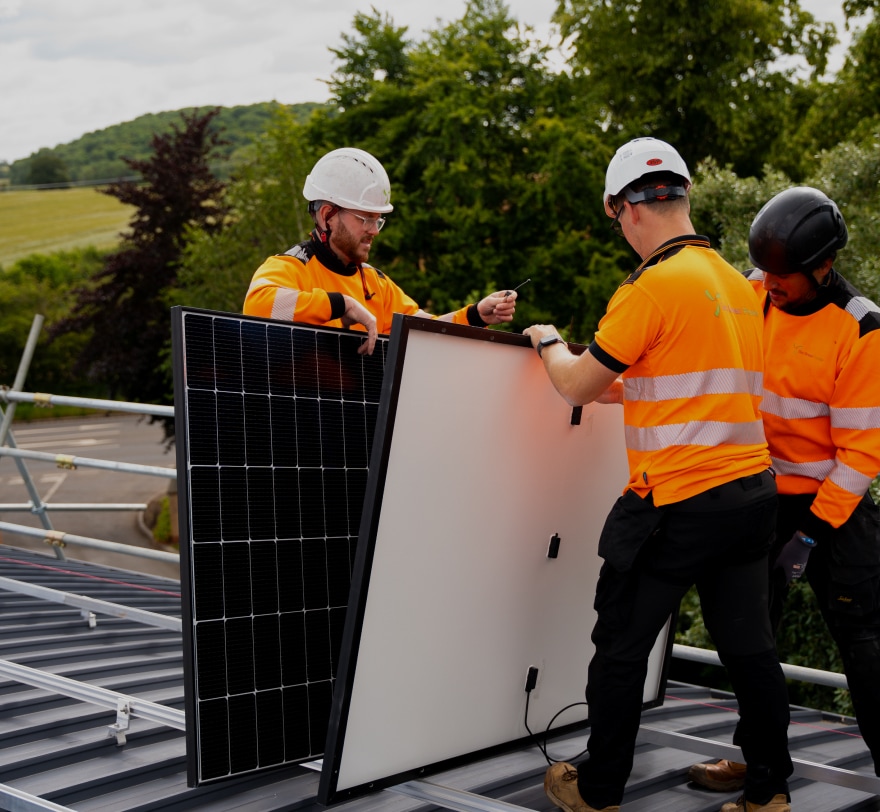
Our comprehensive approach covers all critical requirements, including battery storage to power nocturnal heating systems and the potential to export surplus energy back to the grid during peak summer months. We schedule all work around your peak seasons and harvest windows to ensure your plants and your business keep growing. 
Solar Installation Costs & ROI 

Every horticultural project is unique. The investment varies based on system size, whether panels are roof-mounted on barns or ground-mounted on marginal land, and specific requirements for site access. 

Typical system sizes and estimated 2025 costs: 

System Size 

Costs 

ROI 

50kW 

£45,000 

4-5 Years 

100kW 

£70,000 

3-5 Years 

250kW 

£165,000 

3-5 Years 

500kW 

£300,000 

3-5 Years 

Case Study: Aylsham Garden Centre

Geo Green Power (in partnership with local installers) supported the transition of agricultural and retail sites like Aylsham Garden Centre.


By installing a 147kW solar PV system paired with 42kWh of battery storage, the site dramatically cut its overheads.  

The system powers daily retail operations and climate control, proving that even energy-intensive horticultural businesses can achieve significant energy independence and financial security through the sun. 

Solar Incentives for UK Growers 

Power Purchase Agreements (PPAs)

A Power Purchase Agreement allows you to install a solar PV system with no upfront capital investment. A third-party investor funds the system and sells you electricity at a lower rate than your current supplier.  

Asset Finance

Spread the cost of your solar installation over time with asset finance, such as a lease or hire purchase agreement. This allows businesses to preserve working capital while still benefiting from reduced energy costs and potential tax efficiencies. 
Improving Farm Productivity Grant (DEFRA)

Specifically designed for the horticulture sector, this grant can cover up to 25% of the cost of solar PV installations on farm buildings or irrigation reservoirs.

Capital Allowances (Full Expensing)

Businesses can often deduct 100% of the cost of solar panels from their taxable profits in the year of purchase through the Annual Investment Allowance (AIA).

Smart Export Guarantee (SEG)

Earn revenue by selling surplus electricity generated during long summer days back to the national grid.

Business Rates Exemption

Rooftop solar installations are currently exempt from business rates valuation until March 31, 2035, providing long-term tax security.

Contact Our Horticulture Solar Experts Today 

Horticulture Solar FAQs 

Will solar panels on my greenhouse block the light my plants need?

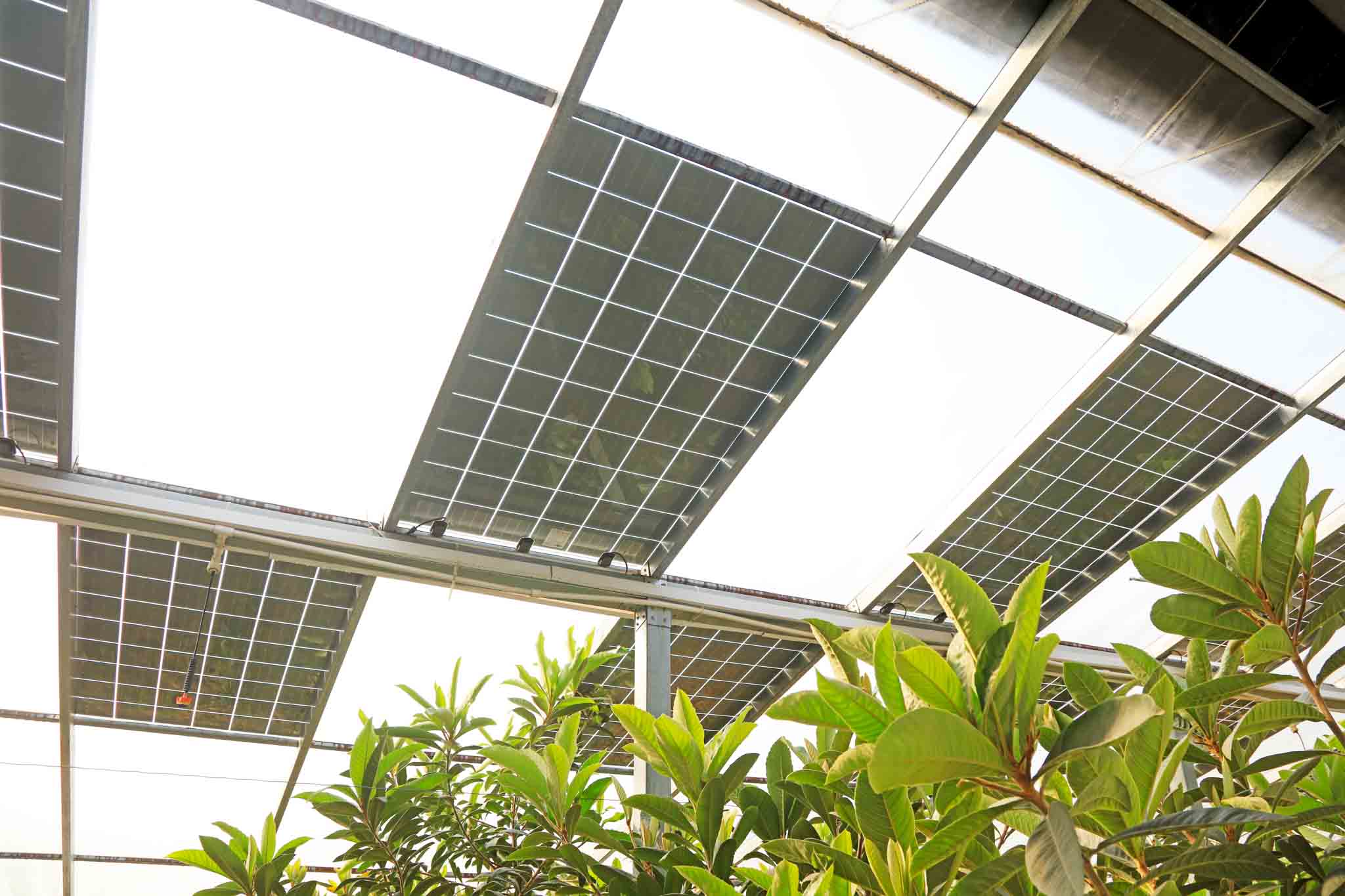
Not necessarily. While traditional panels are opaque, we often install them on the non-productive areas of your site, such as pack-house roofs, storage barns, or over car parks.  

Can solar power actually heat a greenhouse in the winter?

Solar PV generates electricity, which can be used to power electric heaters or heat pumps. However, because winter days are shorter and less intense, we highly recommend a hybrid approach: 

  • Solar + Battery Storage: To store daytime energy for evening heating. 
  • Solar + Heat Pumps: Using solar energy to run high-efficiency heat pumps is the most cost-effective way to maintain temperature. 
Does the high humidity in greenhouses damage the panels?

Commercial solar panels are designed to be weather-proof and highly durable. When installing near greenhouses, we use corrosion-resistant mounting frames (typically anodised aluminium or stainless steel) to ensure that humidity and irrigation spray don’t affect the system’s lifespan. 

How long does the installation take, and will it kill my crops?

A typical commercial installation (100kW – 250kW) generally takes between 2 to 4 weeks to complete.  

We provide full flexibility in scheduling, allowing you to choose an installation window that best suits your operational cycle, whether you prefer to work around peak planting and harvesting seasons or integrate the project during your busiest periods.  

To ensure total continuity, any necessary power-downs are strictly coordinated for out-of-hours, guaranteeing that automated climate and irrigation systems remain fully functional and uncompromised throughout the process. 

Are there grants available specifically for growers?

Yes. In the UK, the Improving Farm Productivity Grant (Round 2) has recently offered up to 25% funding for solar PV equipment for horticultural businesses (with grants ranging from £15,000 to £100,000).  

The Annual Investment Allowance (AIA) allows you to deduct 100% of the cost from your taxable profits in the first year. 

What happens if I produce more energy than I use in the summer?

During peak summer months, your production will likely exceed your usage. This surplus can be: 

  • Exported Profit: Sold back to the grid via the Smart Export Guarantee (SEG). 
  • Diverted: Used to power irrigation pumps or cool cold-storage units, which are often at peak demand during the same sunny hours. 

Contact Our Team

Get in touch to discuss a free quote and requirements for your property.

Name(Required)
I am interested in...(Required)
tick all that apply. Please select at least one option.
I would like to receive news and offers to my inbox

GGP - Solar Guide Form (Download)

Full Name(Required)
Sector(s) of Interest(Required)